
Table of Contents
- Why So Many People Are Moving to Sacramento
-
- Popular Neighborhoods in Sacramento
- Apartment Living in Sacramento
- How Storage Helps Apartment Renters
- When Renting Storage Makes Sense During a Move
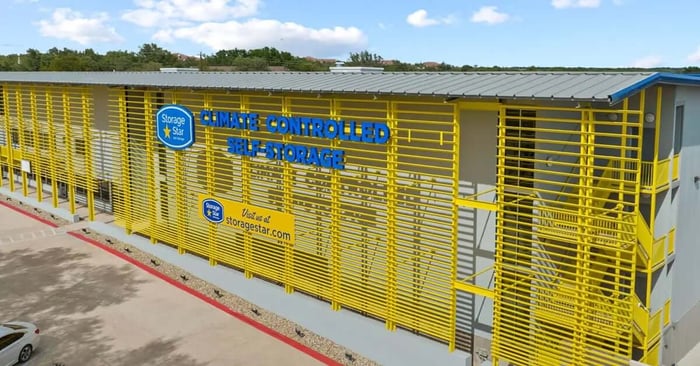
- Do You Need Climate-Controlled Storage in Sacramento?
- How to Choose the Right Storage Unit in Sacramento
-
- Local Moving Tips for Sacramento Newcomers
- Make Your Move to Sacramento Easier
- FAQs
If you’re moving to Sacramento, you’re joining a growing number of people drawn to California’s state capital for its mix of urban amenities, access to outdoor recreation, and relatively more affordable lifestyle compared with coastal metros like San Francisco or Los Angeles. Sacramento’s location at the confluence of the Sacramento and American Rivers (plus its proximity to Lake Tahoe, Napa Valley, and the Sierra Nevada) makes it a great spot for both work and play.
But like most moves, relocating here involves plenty of logistics, especially finding the right neighborhood, comparing apartment options, and figuring out where to store your belongings during your move.
Our local guide breaks down Sacramento’s most popular neighborhoods, apartment living options, and explains how renting a storage unit can make your move smoother.
Why So Many People Are Moving to Sacramento
Sacramento’s appeal comes from a blend of California convenience and evolving urban culture. Residents frequently cite:
A growing job market and strong government and healthcare sectors
A more affordable cost of living compared with many major California cities
Walkable urban districts alongside quiet residential suburbs
Parks, riverfront trails, and outdoor recreation
Rich food, arts, and cultural scenes
Whether you’re moving for work, school, or lifestyle, Sacramento offers neighborhoods to suit almost any lifestyle.

Popular Neighborhoods in Sacramento
Historic district, a suburban feel, or something closer to downtown life? Choosing a neighborhood to settle down in is a major decision. Here’s a quick glimpse at some of the best places to live in the Sacramento area:
Downtown & Midtown Sacramento
Sacramento’s Downtown and Midtown areas are among the city’s most vibrant urban centers, filled with restaurants, nightlife, cultural venues, and historic architecture. Midtown, in particular, is known for its tree-lined streets, independent shops, and proximity to the light rail.
Downtown Sacramento serves as the region’s primary business and employment hub, home to state government offices around the California State Capitol, corporate and professional services along Capitol Mall, healthcare and university employment nearby, and a growing mix of creative and office space in Midtown.
Why people love it:
Walkable neighborhoods with frequent community events
Historic homes and modern apartments side by side
Easy access to theater, music, and dining
Many job opportunities in health, education, legal, and government
Popular parks and proximity to the American River
How storage in Downtown/Midtown Sacramento helps new residents:
Storing belongings during apartment renovations or transitions
Keeping bikes, seasonal gear, or outdoor equipment
Making space in smaller urban floorplans
East Sacramento
East Sacramento is known for its charming tree-lined streets, turn-of-the-century homes, and family-oriented community feel. It’s often ranked as one of the city’s most desirable residential areas, with easy access to retail and parks.
Why people love it:
Classic California bungalow and Tudor homes
Close-knit neighborhood feel with a walkable commercial corridor and local shops
McKinley Park, multi-use trails like Jedediah Smith Memorial Trail, and green space for recreation
Annual community events, including the East Sacramento Garden Tour, Pops in the Park, and the East Sacramento Fourth of July Parade
How storage in East Sacramento helps new residents:
Storing large furniture during a home transition
Extra space when downsizing into a smaller house or apartment
The Natomas Area
Located in northwestern Sacramento, just north of Downtown, the Natomas area has grown rapidly since the 1990s, transforming former agricultural land into one of the region’s most active residential, retail, and entertainment hubs. The community is split by Interstate 80 into North Natomas (known for newer subdivisions, parks, and planned housing) and South Natomas (featuring a blend of residential streets, shopping centers, and established amenities).
Why people love it:
Modern subdivisions and planned communities, especially in North Natomas
Close proximity to Sacramento International Airport
Good access to freeways and commuter transit
Variety of retail, dining, and entertainment options, including the Promenade at Sacramento Gateway
Parks and outdoor activities, like North Natomas Regional Park
How storage in Natomas helps new residents:
Temporary space during lease overlaps
Storage for outdoor equipment and seasonal items
Land Park & Curtis Park
Land Park and Curtis Park blend residential serenity with access to urban amenities. Families especially appreciate the large yards, parks, and classic neighborhood vibes.
Why people love it:
Spacious yards and mature trees
Arrowhead Country Club and William Land Park amenities
Close to downtown without the bustle
How storage in these neighborhoods helps new residents:
Storing things during remodel projects
Making space for guests or extended family
Apartment Living in Sacramento
Sacramento has a broad rental market, with options from urban lofts downtown to garden-style complexes in suburban pockets. Rent prices in Sacramento tend to be below those in many larger California cities while still reflecting the city’s desirability.
Average Rent in Sacramento
According to rental market data from Apartments.com, renters can expect average monthly costs in the ballpark of:
Around $1,560/month on average citywide for rental units.
Studio rents often range from $1,480/month.
One-bedroom averages near $1,550/month.
Two-bedrooms commonly cost around $1,860/month, with three-bedrooms exceeding $2,400/month in many cases.
These figures vary by neighborhood — for instance, rents in Midtown and Downtown tend to be higher, while outer areas like Natomas can be more affordable.
Notable Apartment Communities in Sacramento
Here are some of the apartment complexes and rental communities people commonly consider when moving to Sacramento. (Rent and availability can change frequently, so current listings should be verified before you move.)
Downtown & Midtown
Governor’s Corner Apartments — Central location near the urban core.
T20 Lofts — Loft-style living in Midtown.
St. Anton Building — Historic building with modern units.
Natomas & North Sacramento
Miramonte and Trovas — Larger community with amenities.
McKenzie at Natomas Park — Suburban-style complex with varied floorplans.
Other Areas
Walnut Village Apartments, The Palms, Irongate Apartments, and Carmel Pointe are examples of complexes with frequent listings around the region.
How Storage Helps Apartment Renters
Many renters in Sacramento, especially those moving from larger homes or transitioning between leases, turn to nearby storage for:
Extra furniture that won’t fit right away in smaller floorplans
Seasonal décor or sports gear
Bikes and camping equipment
Boxes during lease overlaps and move timing gaps
With many Sacramento apartments offering efficient but compact layouts, having a storage unit nearby can help you settle in more comfortably.
When Renting Storage Makes Sense During a Move
Storage can be a real lifesaver during almost any relocation! Many people moving to Sacramento rent units when they’re:
Waiting for a home purchase to close
Renovating or remodeling
Moving between leases
Downsizing
Staging a home to sell
Relocating for work
Living in short-term housing
Most facilities offer flexible month-to-month leases so you can keep a unit as long as you need without a long-term commitment.
Do You Need Climate-Controlled Storage in Sacramento?
In Sacramento’s hot, dry summers and variable seasonal temperatures, climate-controlled storage can help protect:
Wood or leather furniture
Electronics and appliances
Musical instruments
Important documents and photos
Antiques and collectibles
Wine collections
Climate-controlled units maintain more stable interior conditions, which can make a big difference for sensitive items.
How to Choose the Right Storage Unit in Sacramento
Not all storage facilities are the same. When comparing options, look for:
Convenient location near your neighborhood
Secured access and surveillance
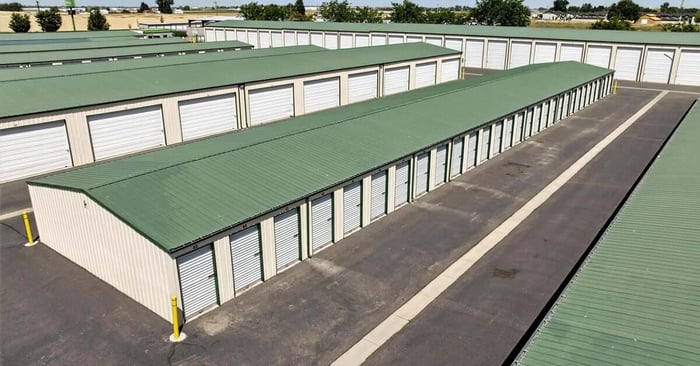
Climate-controlled and drive-up units
Wide driveways and easy truck access
Flexible month-to-month leasing
Simple online reservation and payment options
Sacramento’s diverse housing markets make proximity especially useful — closer storage means quicker access between moves.

Local Moving Tips for Sacramento Newcomers
Here are a few area-specific tips to make your move smoother:
Plan around peak summer heat: Early mornings and cooler months are better for moving.
Expect varied traffic: I-80, Highway 50, and CA-99 are common commuter routes.
Reserve elevators or loading docks early: Urban building policies vary.
Set up utilities ahead of time: Sacramento’s providers can book weeks in advance.
Factor in event traffic: Concerts and sports at Golden 1 Center can affect downtown flow.
Make Your Move to Sacramento Easier
Moving to Sacramento, California, is exciting but also full of variables and stressors. Whether you’re settling into Downtown, Midtown, East Sacramento, Natomas, or Land Park, having flexible storage nearby can simplify the process.
At Storage Star in Sacramento, CA, on S Street, we help local residents manage relocations with convenient month-to-month storage options, climate-controlled units, and wine storage lockers that protect belongings during hot Central Valley summers. From short-term space during a lease gap to longer-term storage while you get settled, the right solution can keep your Sacramento move stress-free.
FAQs
Is Sacramento a good place to live?
Yes. Sacramento attracts new residents for its growing job market, relatively more affordable housing compared with coastal California cities, outdoor recreation, and vibrant neighborhoods like Midtown, East Sacramento, and Land Park.
What are the best neighborhoods in Sacramento for newcomers?
Popular areas for people moving to Sacramento include Downtown and Midtown for walkable urban living, East Sacramento for historic homes and parks, Natomas for newer developments near the airport, and Land Park for a family-friendly feel.
How expensive is it to live in Sacramento?
Sacramento is generally more affordable than major coastal metros like San Francisco or Los Angeles, though housing costs vary widely by neighborhood. Rent and home prices tend to be higher near Midtown and East Sacramento, while areas like Natomas or South Sacramento can offer more moderate options.
Do I need storage when moving to Sacramento?
Many people use storage during relocations, especially when dealing with lease overlaps, downsizing, home renovations, or waiting for a home purchase to close. Storage can also help apartment renters manage limited space.
Is climate-controlled storage important in Sacramento?
Often, yes. Sacramento experiences hot summers, and climate-controlled units can help protect furniture, electronics, documents, artwork, and musical instruments from heat-related damage.
Where can I find storage in Sacramento, CA?
Storage facilities are located throughout the Sacramento area near major corridors and residential neighborhoods. Choosing a location close to home or work makes accessing your belongings easier during a move. Storage Star on S Street is a great option, featuring climate-controlled storage solutions, vehicle storage, and wine storage lockers.
What time of year is best for moving to Sacramento?
Spring and fall are usually the most comfortable seasons thanks to milder temperatures. Summer moves are common but often require early-morning scheduling to avoid extreme heat.
What size storage unit do most movers in Sacramento need?
That depends on how much you’re storing. Studio or one-bedroom apartments often fit in smaller units, while two- or three-bedroom homes typically require medium to large units. Storage facility staff can usually help estimate the right size.