
Table of Contents
Living in a tiny house can be fulfilling, but it also presents unique challenges. Between limited square footage, multi-purpose spaces, and creative organization needs, it’s easy to feel overwhelmed.
This guide will help you maximize your small space with smart storage solutions, both inside and outside the home. It’s possible to minimize clutter while living your life to the fullest.
Learn more about how to organize, store, and offload your belongings to create the minimalist haven you’ve been dreaming of.
Tiny House Living
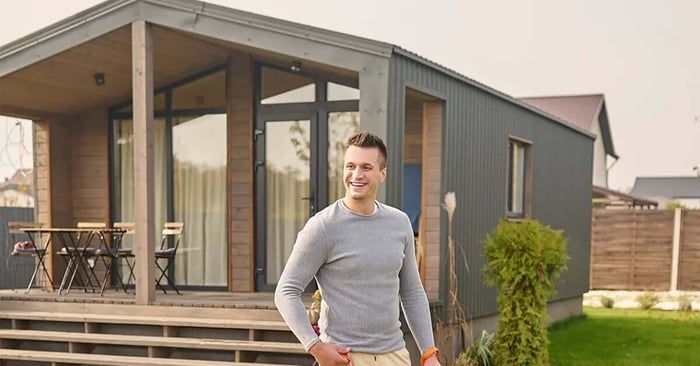
A “tiny home” is defined by an interior of 400 square feet or less. Downsizing and small-home living have become more popular in recent years. There are dedicated tiny house communities throughout the U.S., especially in areas like California and Colorado.
Tiny houses are designed to save money, space, and resources. A modern tiny house incorporates sustainability practices, relies on vertical space and multi-functionality, and follows the principles of minimalism.
Tiny House Storage Challenge
Due to their small sizes, tiny homes require intentional storage. You must be very efficient and decisive about how to use each square foot of space. Otherwise, you quickly run out of room.
Every inch counts in a tiny house, and vertical space is the key to organizational success. Using floor-to-ceiling storage keeps walking areas safe and easy to navigate.
Multi-functional furniture items are a staple in any tiny house. Beds that turn into sofas save lots of space and make rooms more portable.
For your seasonal or rarely-used items, you can benefit from off-site storage solutions. There simply isn’t room in a tiny house for every sentimental belonging and decoration you own. With proper off-site storage and planning, you can avoid clutter and stress.
Organization Tips & Storage Ideas for Small Spaces
As a tiny home owner, you’re looking for a peaceful, clutter-free life. Maybe you even moved off-grid and want to minimize your possessions altogether.
Here are some ways you can make the most out of the tiny house movement, complete with storage tips and organization strategies.
1. Downsize
Decluttering has been shown to reduce stress and increase peace of mind in homeowners. It also maximizes your usable space, which is incredibly valuable in tiny homes.
But you don’t have to throw things away to make better use of your small space. The key to harmonious tiny house living is to make the best of the living space you have available.
Evaluate which of your items are essential for everyday living. Keep only the items you use frequently, and make three separate piles for everything else, designating them as “donate,” “sell,” and “discard.”
Storing items off-site strikes the perfect balance between sentimentality, practicality, and efficient living. If you have items you want to keep but don’t use often, consider renting a storage unit.
2. In-Home Storage Solutions
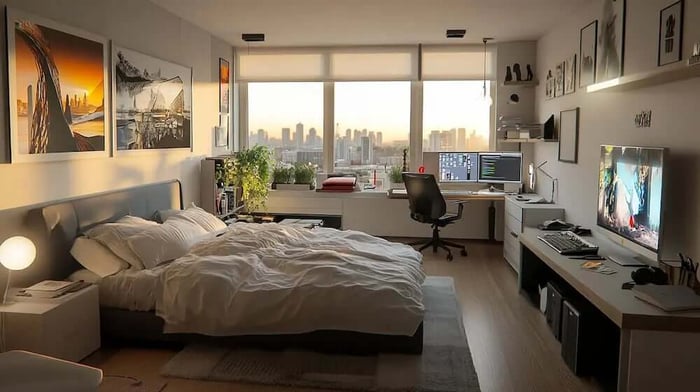
You can make your tiny home more functional and versatile with creative, in-home storage ideas. Plenty of beautiful tiny homes still contain useful items that are stored out of the way when not in use.
Create Custom, Hidden Storage
If you enjoy DIY projects, why not make your own custom storage solutions? Try some of these projects to save space:
Rolling or pull-out spice racks
Cabinet organizers
Under-bed pull-out storage drawers
Under-the-stairs storage closet
A storage system under your bed or couch
These storage systems are mostly hidden and can integrate into your existing furniture and living spaces.
Use Multi-Purpose Furniture
In a tiny home, multi-purpose furniture is a must-have. Your living room and bedroom are prime spaces to place versatile furniture like storage ottomans, fold-out desks, and multi-use benches.
You can also use rolling carts and storage bins as end tables with extra storage space. Get creative; you can even build your own carts that hold small house items!
Opt for folding dining tables or desks near your tiny kitchen so that when they’re not in use, they can snug up against the wall. Try cascading hangers or multi-garment hangers for laundry and clothing storage. Remember, vertical space adds to your tiny home’s total square footage.
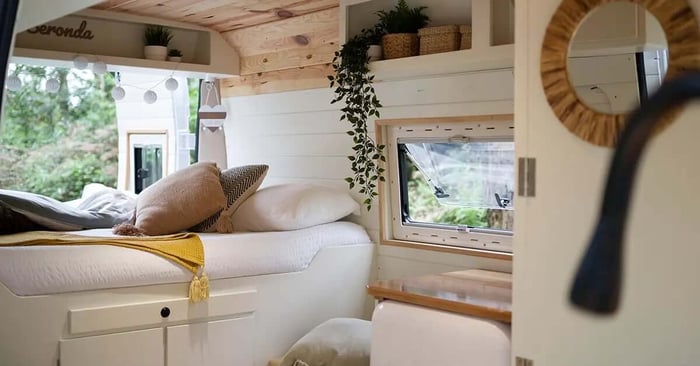
Integrate Storage With Your Interior Design
You don’t have to sacrifice your design ideas to maximize storage in your own tiny home. Instead, combine creative storage ideas with your interior design vision.
Things like floating shelves, wall hooks, pegboards, and similar items free up space while contributing to the character of your home. You can use these for small knick-knacks and household items without overwhelming your space.
In the kitchen, consider installing hooks and hanging systems for kitchen utensils and tools. You’re likely working with limited counter space, so this helps preserve what little you have while giving you easy access to necessary items.
Add loose items like shoes and throw blankets to woven baskets for organization and tidiness. The baskets are easy to match to your interior theme and prevent a messy floor.
Magnetic strips are great space savers in tiny homes. You can attach knives, spice jars, and metal tools to them to keep them within your vertical space, rather than taking up counter space.
3. Use a Storage Unit for Tiny House Living
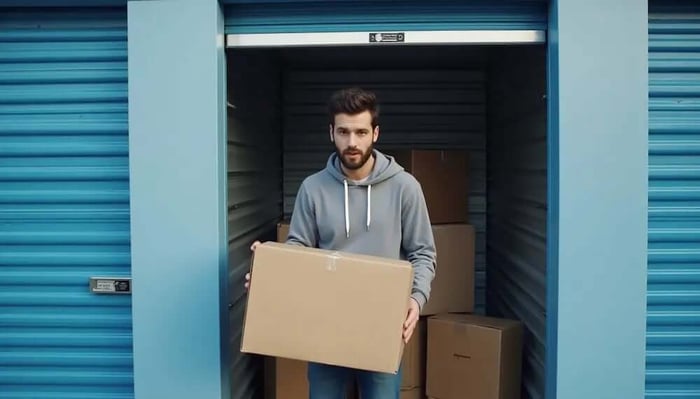
Off-site storage can be a valuable extension of your tiny home. Rather than keeping everything in your small space, you can prioritize what you use and keep the rest in a safe, secure spot.
Storage units are great for seasonal items, bulky furniture, family heirlooms, or even vehicles like motorbikes, boats, or canoes!
If you’re a home-based entrepreneur, you can enjoy tidy, tiny home living by keeping your business inventory in a dedicated off-site storage rental. Your home is precious real estate, and storing inventory off-site also helps with the mental separation between your work and home life.
Unless you run a larger business, you should opt for smaller units and lockers to save money and maintain your minimalist lifestyle. As a tiny home owner, you likely already know how to downsize your collection, so smaller storage units are the perfect fit for you.
Storage Star offers storage spaces as small as 3'x3', perfect for tiny house items and seasonal gear. If you need to store more, we offer other common unit sizes like 5’x5’, 10’x10’, and even 10’x40’ units.
Use our self-storage unit size guide to help you figure out what you’ll need.
4. Seasonal Rotation
Not every item needs to stay in your house full-time. Rotate items seasonally to save space and encourage mental clarity. For example, you can place your winter gear in storage during the summer months and bring it back when it gets cold outside.
Decor is another important factor in seasonal rotation. Even in RVs, mobile homes, and campers, most people have some holiday decorations to keep things festive. When your taste or the seasons change, rotate decorations out and place them in storage instead.
Some items to change out seasonally include:
Winter coats and jackets
Snow boots
Holiday decorations & costumes
Birthday party supplies
Summer clothing
Seasonal sports gear (skis, cleats, pads, etc.)
Unused furniture and organizers
Keep all of your frequently used items accessible, and let off-site storage handle the rest.
Common Tiny House Storage Mistakes to Avoid
When you’re just getting used to tiny home living, it’s easy to make common errors that detract from your space and goals. Avoid these tiny house storage ideas and misconceptions that create clutter and distract from your interior design.
Creating Clutter by Overfilling Spaces
It’s tempting to want to make use of every extra square foot in your tiny home. However, you should avoid overfilling furniture and hidden spaces, as this can contribute to clutter and messiness. If you’re going for a minimalist interior design, you’ll need to incorporate minimalism everywhere, including little-used spaces that seem perfect for small items.
Instead, use the prioritization methods in this guide to determine what stays in the home and what goes off-site. If something is just going to sit in a corner most of the time, it’s probably a good candidate for the storage unit.
Ignoring Off-Site Storage Options
You might want to avoid off-site storage to save money, especially if your tiny home lifestyle is intended to make you debt-free. However, external storage is extremely important if you want to maintain a functional, enjoyable space.
Bulky and infrequently used items don’t necessarily belong in your home. With a nearby storage unit, you can still grab them when you need them. They just won’t get in your way in the meantime.
Smaller storage unit options are the perfect compromise between cost savings and extra capacity. You don’t have to “go big” to make the most of storage rentals.
Improperly Labeling Bins and Containers
Clear, concise labels are the key to tiny home organization and efficient storage. If you get lax with your labeling, you’ll spend more time digging through bins and moving items around to get what you need. Take the time to make long-lasting labels that simplify your process.
For a more modern labeling system, consider using spreadsheets or digital tags that automatically pull up a list of what’s inside each box. Not only does this save time, but it also modernizes the process and helps you avoid paper or sticker labels if zero-waste is your thing.
Choosing Too-Large Storage Units
Folks living in a tiny house on wheels, trying out van life, or building a tiny home out of a shipping container are already invested in simple living. If you choose a storage unit that’s too big, you run the risk of overpaying and becoming disorganized.
Smaller storage units cost less per month and are easier to navigate, especially if you pre-pack to set yourself up for success.
Use the same minimalist principles when choosing storage as you did when selecting your home. Buy only the space that you need and clean out any extra belongings you no longer use or value.
FAQs About Tiny House Living & Storage Solutions for Small Spaces
Get answers to your tiny home storage questions to help maximize and organize your space.
How can I maximize storage in a tiny home?
Do a thorough cleanout of your belongings before you move into your tiny home. Use multi-purpose furniture and hanging or wall organizers to create functional storage spaces that don’t clutter your home. Consider building DIY storage structures, like carts or shelves, to maximize your small space.
Are small storage lockers climate-controlled?
Some of them are, yes! You can find climate-controlled small storage lockers and larger units at Storage Star. Having precise climate control prevents issues like moisture buildup, mold, melting, and other problematic incidents.
How do I organize a storage unit for easy access?
Use clear labels on storage bins and boxes to make things easy to find. Make sure your unit is within a comfortable distance from your home, especially if you frequently rotate items. If you have a lot of belongings, consider a drive-up unit for easy access.
Optimize Your Tiny House Lifestyle
Comfortable tiny house living demands creative, intentional storage solutions to maximize your space and peace of mind. Whether you’re exploring tiny home tours and getting a feel for the lifestyle or already have your floor plans and new build planned, more education can help.
Combining smart in-home storage with off-site units maximizes functionality without sacrificing important items in your life.
Storage Star’s small-unit options make it easy to store seasonal, specialty, or extra items safely and securely. Find the right storage unit for your tiny house items at a Storage Star location near you. Reserve your unit online today and simplify your small-space living.
FAQs
How can I maximize storage in a tiny home?
Do a thorough cleanout of your belongings before you move into your tiny home. Use multi-purpose furniture and hanging or wall organizers to create functional storage spaces that don’t clutter your home. Consider building DIY storage structures, like carts or shelves, to maximize your small space.
Are small storage lockers climate-controlled?
Some of them are, yes! You can find climate-controlled small storage lockers and larger units at Storage Star. Having precise climate control prevents issues like moisture buildup, mold, melting, and other problematic incidents.
How do I organize a storage unit for easy access?
Use clear labels on storage bins and boxes to make things easy to find. Make sure your unit is within a comfortable distance from your home, especially if you frequently rotate items. If you have a lot of belongings, consider a drive-up unit for easy access.