
Table of Contents
One of the biggest questions people ask when considering a move to a new city is simple: “How much is this going to cost me?” That’s especially true for Dallas, a city with a booming job market, hot housing demand, and a lifestyle that’s exciting but not exactly cheap.
Understanding Dallas’s cost of living isn’t just about throwing numbers on a page — it’s about knowing how those costs affect your everyday life. Let’s break down what people really pay here, how Dallas stacks up against the national average, and what it means for your budget, including the smart role storage can play as you settle in.
Dallas Cost of Living in Context
Overall, the cost of living in Dallas sits around the U.S. national average, with housing slightly cheaper, everyday costs close to average, and utilities somewhat higher than typical U.S. expenses.
Overall cost of living: roughly on par with the U.S. average
Housing costs: about 8–11% lower than the national average
Utilities: higher than average
Groceries: slightly lower or near average
Transportation: similar or slightly lower than average
This means Dallas isn’t a bargain basement city, but it generally won’t gouge your wallet the way some major metros do, especially on core necessities like food and housing. For more context, check out the pros and cons of life in Dallas.
Housing: Rent and Home Prices
Housing is often the biggest piece of anyone’s budget, whether you’re renting or buying.
Rent
Median rent for a typical apartment in Dallas ranges from around $1,500 to $2,000 per month, depending on size, location, and amenities. Studios and one‑bedrooms land toward the lower end, while larger two‑ and three‑bedroom units push higher.
Buying a Home
Buying tends to be more expensive upfront. Recent median home price estimates put typical home values in Dallas in the $400,000+ range, though prices vary widely by neighborhood, location, and home type.
While Dallas housing remains slightly cheaper than many large U.S. cities, it’s worth noting that households often need higher incomes to keep housing costs under traditional thresholds.
Utilities, Groceries & Daily Spending
It’s not just rent and mortgage payments that shape your cost of living.
Utilities
Utility prices, including electricity and gas, tend to run higher than the U.S. average, in part due to seasonal demand (hello, summer air conditioning).
Groceries
Groceries in Dallas are often near or slightly below the national average prices, meaning basic food costs don’t usually break the bank.
Transportation
Dallas is a sprawling city, so transportation can add up. Transportation costs vary with lifestyle and distance, but Dallas often performs similarly or slightly more affordably than other large metros.
Storage Units in Dallas
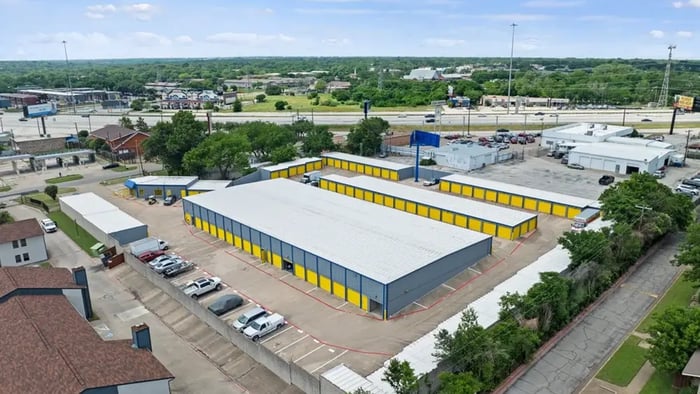
Texans love their big trucks, big boats, and RVs. You’ll see storage units throughout Texas, but prices in Dallas remain surprisingly low when you find the right facility – like Storage Star. Prices depend on availability, but you can rent a 5’ x 5’ unit with climate control for as low as $22/month! Learn more about the benefits of climate-controlled storage in Dallas.
Putting It Together: What This Means for Your Budget
A common rule of thumb is to aim to spend no more than 30% of your income on housing. In Dallas, that can be hit-or-miss depending on where you live and how much space you need.
For example:
A median rent of ~$1,500 puts you at 30% of your monthly income if your income is around $60,000–$70,000 annually.
Median home prices around $400,000+ mean homeownership may require a higher income to stay within traditional budget ratios.
Dallas’s cost of living isn’t so low that you’ll feel wealthy without planning, but it can feel comfortable with smart financial decisions, targeted neighborhood choices, and an understanding of how costs fluctuate across the metro.
Cost of Living vs. National Averages at a Glance
Expense | Dallas vs. U.S. Average |
Housing | Lower |
Utilities | Higher |
Groceries | About the same or slightly lower |
Transportation | Similar or lower |
Overall cost of living | Around U.S. average |
Saving Smartly: Storage and Your Dallas Move
If you find you’re running out of space at home, it doesn’t necessarily mean it’s time to move. Storing seasonal items, bulky furniture, or boxes between moves can give you the freedom to choose the right space, not just the cheapest one that fits today. It also helps when you’re downsizing, staging a home for sale, or waiting for the ideal home to come along. Check out the other benefits of self-storage in Dallas!
While storage isn’t free, using it strategically can help balance your budget and lifestyle goals as you navigate Dallas’s living costs, especially if you’re juggling a big move, a smaller place, or shifting work and commuting needs.
FAQs About the Cost of Living in Dallas
How much does it cost to live comfortably in Dallas?
For a single person, monthly living costs in Dallas typically range from about $2,700 to $4,500, depending on lifestyle, housing choice, and location. A comfortable salary often lands around $60,000+ per year, especially if you’re renting a one-bedroom apartment and following the general guideline of spending no more than 30% of your income on housing.
That, of course, depends on your lifestyle and spending habits.
Is Dallas more affordable than other major cities?
Dallas is often considered more affordable than coastal cities, especially when it comes to housing. However, it’s not “cheap” — overall costs are around the national average, with housing and utilities slightly higher in some cases.
How can I save money on housing in Dallas?
There are a few smart ways to lower your overall housing costs:
Choose your location strategically — living slightly outside high-demand areas can reduce rent (consider other parts of DFW like Irving or Plano)
Consider shared living to split costs
Be realistic about space needs — you may not need a larger apartment
Many Dallas residents also use storage units as a cost-saving strategy. Instead of paying higher rent for a larger space, you can store seasonal items, extra furniture, or rarely used belongings off-site, which will give you more flexibility without stretching your housing budget.
Planning to Move to Dallas?
The cost of living in Dallas sits near the national average, with some categories more affordable (like housing) and others slightly higher (utilities). Breaking down your monthly and annual budget with real numbers will help you make confident decisions about where to live, how much space you need, and what trade‑offs make sense for your lifestyle.
With thoughtful planning, including smart use of storage during transitions, Dallas can be a place where your money goes farther while you enjoy what the city has to offer.
Ready to rent a self-storage unit in Dallas? We have two locations in the city:
Browse available units online, check out our other Texas Storage Star locations, or contact our friendly storage specialists with any storage questions you may have!
FAQs
How much does it cost to live comfortably in Dallas?
For a single person, monthly living costs in Dallas typically range from about $2,700 to $4,500, depending on lifestyle, housing choice, and location. A comfortable salary often lands around $60,000+ per year, especially if you’re renting a one-bedroom apartment and following the general guideline of spending no more than 30% of your income on housing.
That, of course, depends on your lifestyle and spending habits.
Is Dallas more affordable than other major cities?
Dallas is often considered more affordable than coastal cities, especially when it comes to housing. However, it’s not “cheap” — overall costs are around the national average, with housing and utilities slightly higher in some cases.
How can I save money on housing in Dallas?
There are a few smart ways to lower your overall housing costs:
Choose your location strategically — living slightly outside high-demand areas can reduce rent (consider other parts of DFW like Irving or Plano)
Consider shared living to split costs
Be realistic about space needs — you may not need a larger apartment
Many Dallas residents also use storage units as a cost-saving strategy. Instead of paying higher rent for a larger space, you can store seasonal items, extra furniture, or rarely used belongings off-site, which will give you more flexibility without stretching your housing budget.