
Table of Contents
- Why Seasonal Storage Helps Keep Your Home Organized
- Step 1: Declutter Seasonal Items Before Storing
- Step 2: Sort Seasonal Items by Category
- Best Packing Materials for Seasonal Storage
- How to Store Seasonal Clothing and Fabrics
- How to Store Holiday Decorations Safely
- How to Store Outdoor Equipment and Sports Gear
- How to Maximize Space in Your Storage Unit
- When You Should Use Climate-Controlled Storage
- Best Self-Storage Unit Sizes for Seasonal Items
- Seasonal Storage Tips to Protect Your Belongings
- Store Your Seasonal Items With Storage Star
- FAQs
As the seasons change, so do the items we keep around our homes. Winter coats replace summer clothing, holiday decorations come out of storage, and outdoor gear rotates in and out of use throughout the year.
Seasonal storage solutions can help keep your home organized by providing a dedicated space for items you only use part of the year. Whether you're storing holiday decorations, winter clothing, patio furniture, or sports equipment, using the right packing and storage techniques can help protect your belongings and make them easier to access when the next season arrives. Many homeowners use self-storage units to rotate seasonal items throughout the year while keeping their living spaces clutter-free.
This seasonal storage guide explains how to safely pack, organize, and store seasonal items so they stay clean, protected, and ready to use.
Why Seasonal Storage Helps Keep Your Home Organized
Many households accumulate a large number of seasonal items that are only used for part of the year. Storing these belongings properly can help free up space in closets, garages, and living areas.
Using a storage unit for seasonal items can help you:
reduce clutter in your home
protect delicate items like decorations and fabrics
organize items by season
easily rotate belongings throughout the year
Instead of crowding your home with items you only use occasionally, seasonal storage helps keep your living space functional and organized.
Step 1: Declutter Seasonal Items Before Storing
Before packing anything away, take the time to evaluate what you actually want to keep. Seasonal storage is a great opportunity to declutter and remove items that are no longer useful.
As you sort through seasonal items, ask yourself:
Is this item still in good condition?
Do I still use this regularly during the season?
Would someone else benefit from it more?
Items that are still usable can often be donated, sold, or recycled. Decluttering before packing ensures you only store items that truly matter.
Step 2: Sort Seasonal Items by Category
Organizing items into categories makes packing easier and helps you find items more quickly when the next season arrives.
Common seasonal storage categories include:
Holiday Decorations
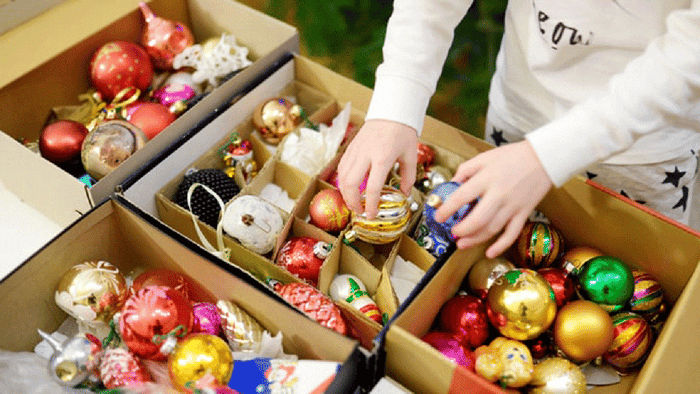
Holiday decorations often include fragile items that require careful packing. Ornaments, lights, wreaths, and seasonal décor should be packed separately to prevent damage.
Use sturdy boxes, ornament containers, or plastic bins to protect decorations from dust and breakage.
Seasonal Clothing
Clothing only worn part of the year, such as winter coats, sweaters, scarves, and boots, can take up valuable closet space.
Before storing clothing:
wash or dry clean garments
ensure items are completely dry
use breathable garment bags or sealed containers
Proper preparation helps prevent mildew, odors, and pest damage.
Outdoor Gear and Patio Furniture
Outdoor equipment like patio furniture, sports gear, and gardening tools can also be stored seasonally.
Before storing outdoor items:
clean dirt or debris from surfaces
disassemble furniture if possible
allow everything to dry completely
Weather-resistant covers and durable storage bins can help protect outdoor gear during the off-season.
Best Packing Materials for Seasonal Storage
Using high-quality packing materials can help protect your belongings while they are in storage.
Recommended materials include:
sturdy cardboard boxes or plastic storage bins
bubble wrap or packing paper for fragile items
vacuum-sealed bags for clothing and fabrics
moisture absorbers to reduce humidity
Investing in proper packing supplies helps keep items safe from dust, moisture, and pests.
How to Store Seasonal Clothing and Fabrics
Clothing and fabrics should be stored carefully to maintain their condition.
Best practices include:
washing clothing before storage
folding garments neatly to prevent wrinkles
storing items in breathable garment bags or sealed containers
adding moisture absorbers to prevent mildew
Avoid storing damp clothing, as this can lead to odors or mold. For more tips on how to preserve your clothing when storing it, check out our guide on How to Store Clothes in a Storage Unit.
How to Store Holiday Decorations Safely
Holiday decorations often hold sentimental value, so taking extra care when storing them is important.
To protect fragile decorations:
wrap ornaments individually in bubble wrap or tissue paper
use compartmentalized containers for delicate items
store decorations in labeled boxes for easy identification
avoid overpacking containers to prevent breakage
Keeping decorations organized will make it much easier to decorate when the holiday season returns.
How to Store Outdoor Equipment and Sports Gear
Outdoor equipment should be cleaned and dried before being placed into storage.
For best results:
wipe down equipment to remove dirt and debris
ensure items are completely dry
disassemble large equipment if possible
store smaller items in labeled containers
Proper preparation helps prevent rust, mold, and damage during long-term storage. Need more sports equipment storage ideas? Our latest guide features more tips and tricks.
How to Maximize Space in Your Storage Unit
Organizing your storage unit efficiently makes it easier to access items when needed.
Helpful storage tips include:
stack boxes vertically to use available space
place heavier items at the bottom
store frequently used items near the front of the unit
leave a small walkway for easy access
Using shelving can also help keep boxes organized and prevent stacking issues.
When You Should Use Climate-Controlled Storage
Some seasonal items are more sensitive to temperature changes, humidity, and moisture than others, which is why many people choose climate-controlled storage units for long-term seasonal storage.
Climate-controlled units maintain a more stable environment throughout the year, which helps reduce the risk of damage caused by temperature fluctuations.
Items That Benefit from Climate-Controlled Storage
You may want to choose a climate-controlled storage unit if you plan to store items such as:
clothing and fabrics
leather goods and jackets
wooden furniture
electronics
artwork or photographs
musical instruments
important documents
delicate holiday decorations
These materials can warp, crack, fade, or develop mildew when exposed to extreme temperatures or moisture.
Why Climate Control Matters for Seasonal Storage
Seasonal items often remain in storage for several months at a time. During this period, they may experience significant weather changes, especially in regions with hot summers or cold winters.
Climate-controlled storage helps provide a more consistent environment that protects sensitive belongings and preserves their condition while they are not in use.
For items like winter clothing, fabric decorations, or electronics, climate control can offer additional peace of mind during long-term storage.
Best Self-Storage Unit Sizes for Seasonal Items
Choosing the right storage unit size depends on how many seasonal items you plan to store.
These are some of the most common storage unit sizes used for seasonal items:
5×5 Storage Unit
About the size of a small closet. Ideal for storing several boxes of holiday decorations, seasonal clothing, and smaller household items.
5×10 Storage Unit
A great option for storing multiple bins of decorations, winter gear, sports equipment, or patio furniture cushions.
10×10 Storage Unit
Suitable for larger seasonal storage needs, including outdoor furniture, bikes, and bulky equipment.
Seasonal Storage Tips to Protect Your Belongings
Even after your belongings are packed and stored, a few additional precautions can help protect them.
Consider these tips:
check your storage unit periodically
replace moisture absorbers as needed
keep containers sealed to prevent pests
maintain an inventory of stored items
Taking a few preventative steps will help ensure your seasonal items remain in great condition.
Store Your Seasonal Items With Storage Star
Seasonal storage can help keep your home organized while protecting the items you only use during certain times of the year.
Storage Star offers secure, convenient storage units designed to help you store everything from holiday decorations to outdoor equipment. With flexible month-to-month rentals and a variety of storage unit sizes, it’s easy to find the right space for your seasonal belongings.
Find a Storage Star facility near you and rent your storage unit online to simplify seasonal storage year-round.
FAQs
What is seasonal storage?
Seasonal storage refers to storing items that are only used during certain times of the year, such as holiday decorations, winter clothing, patio furniture, or sports equipment.
Can seasonal clothing be stored in a storage unit?
Yes. Clothing should be cleaned before storage and placed in breathable garment bags or sealed containers to protect it from dust and moisture.
What size storage unit is best for seasonal items?
Many households use a 5×5 or 5×10 storage unit for seasonal items like decorations, clothing, and outdoor gear. Larger units may be needed for furniture or bulky equipment.
How can I protect seasonal items in storage?
Use durable containers, wrap fragile items carefully, label boxes clearly, and include moisture absorbers to help protect belongings during storage.