
Table of Contents
- Is Colorado Springs a Good Place to Live in 2026?
- Is Colorado Springs Cheaper Than Denver?
- Choosing the Right Neighborhood
- Apartment Living in Colorado Springs
- Adjusting to Life in Colorado Springs
- Why Storage Often Becomes Part of the Move
- How to Choose a Storage Facility in Colorado Springs
- Make Your Move to Colorado Springs Easier with Storage Star
- FAQs
If you’re moving to Colorado Springs, CO, you’re not alone. Over the past several years, this Front Range city has attracted everyone from military families and remote workers to outdoor enthusiasts and retirees seeking mountain views without Denver prices.
Set at the base of Pikes Peak, Colorado Springs blends big-sky scenery with a growing economy and a pace of life that feels more manageable than larger metro areas. You’re close enough to Denver for major concerts and flights, but far enough away to avoid the daily congestion.
Still, like any relocation, moving here comes with logistics: choosing the right neighborhood, adjusting to altitude and weather, navigating military timelines, and figuring out what to do with your belongings during the transition.
This guide walks through what newcomers should know before making the move.
Is Colorado Springs a Good Place to Live in 2026?
For many newcomers, the answer is yes - particularly those prioritizing economic stability and outdoor access.
Colorado Springs has a uniquely stable economic base. The presence of Fort Carson, the United States Air Force Academy, and multiple Space Force installations creates consistent housing demand and long-term employment stability. Defense contractors, aerospace companies, healthcare providers, and cybersecurity firms all contribute to a diversified job market that continues to expand.
Lifestyle is just as important. Within minutes of downtown, you can be hiking in Garden of the Gods, trail running in Red Rock Canyon Open Space, or heading toward weekend ski trips in Summit County. With more than 300 days of sunshine annually and relatively mild winters compared to many mountain towns, the city supports an active, year-round lifestyle.
Compared to Denver or Boulder, housing remains more accessible, especially for buyers relocating from coastal markets. That balance, economic opportunity plus mountain proximity, is what continues to attract new residents.

Is Colorado Springs Cheaper Than Denver?
When evaluating the cost of living in Colorado Springs, housing is the primary driver. Home prices have risen steadily as demand has increased, but median home values typically remain below Denver’s.
Recent market reports from Zillow and Redfin consistently show Colorado Springs trending below Denver in median sale price, while still offering strong appreciation potential. Buyers often find they can secure more square footage or a newer home for the same budget compared to Denver’s urban core.
Beyond housing, overall living expenses in Colorado Springs are slightly above the national average but generally lower than many major Western metros. Data from the U.S. Bureau of Labor Statistics and the Council for Community and Economic Research indicate that while housing shows the greatest variation, grocery, healthcare, and transportation costs remain closer to national benchmarks.
Colorado’s comparatively low property tax rates can help offset rising home values, though homeowners should factor in insurance, HOA fees in newer developments, and seasonal utility costs, particularly winter heating.
What $500,000 Buys in Colorado Springs
In many parts of the city, a $500,000 budget may translate into a three- to four-bedroom single-family home in a suburban neighborhood, a newer build in eastern developments, or a smaller property closer to downtown or the west side with mountain access.
By comparison, similar budgets in Denver often mean smaller homes or longer commute times. For buyers who prioritize space and proximity to trails and open space, Colorado Springs can offer stronger relative value.
Housing and cost-of-living references above are based on publicly available reporting and data from Zillow, Redfin, the U.S. Bureau of Labor Statistics, and the Council for Community and Economic Research. Market conditions fluctuate throughout the year, so buyers and renters should verify current figures before making decisions.
Choosing the Right Neighborhood
Colorado Springs stretches north to south along I-25, and the character of the city changes significantly depending on where you settle.
Downtown Colorado Springs has seen steady revitalization over the past decade. Tejon Street anchors the urban core with restaurants, breweries, coffee shops, and independent retailers. Housing options range from renovated historic buildings to newer mixed-use developments. It’s a strong fit for professionals seeking walkability, though floor plans may be smaller and parking may require planning.
Further north, Briargate and Northgate are popular with families and military personnel. Homes tend to be newer, neighborhoods are planned, and schools are a key draw. Northgate’s proximity to the Air Force Academy and easy interstate access make commuting straightforward.
Old Colorado City on the west side offers historic charm and immediate access to trails. Homes often feature character and established landscaping — and sometimes smaller storage space, making additional storage useful during renovations or downsizing.
The Powers Corridor continues to expand rapidly, offering newer developments and competitive pricing. Its proximity to Peterson and Schriever Space Force bases makes it a frequent landing spot for relocating military families.
Apartment Living in Colorado Springs
The rental market in Colorado Springs reflects the city’s blended identity: part military hub, part aerospace and tech center, and part outdoor basecamp. Demand is steady throughout the year, but it spikes noticeably during the peak PCS season and the summer relocation months.
On average, renters can expect citywide apartment rates to fall roughly within these ranges:
Studios typically start around $1,200–$1,400 per month.
One-bedroom apartments often range from $1,400–$1,700 per month.
Two-bedroom units typically range from $1,700 to $2,100 per month, depending on the neighborhood and amenities.
Downtown and areas adjacent to the universities draw strong interest for their walkability and proximity to shops and dining, while neighborhoods farther out toward Briargate or the Powers Corridor often deliver more space for the price. Regardless of where you’re looking, many complexes offer modern conveniences such as fitness centers, pools, pet-friendly policies, and secure access — features that matter in a city where you might be juggling outdoor gear, work commutes, and social life.
Notable Apartment Communities
Here are examples of rental communities Colorado Springs newcomers often consider — from walkable urban homes to options near schools and recreation:
Near Downtown & Colorado College
Mae on Cascade — A modern, amenity-rich community with views of the mountains and easy access to downtown restaurants and transit.
Experience at Epicenter — Central location with studio to multi-bedroom options, convenient to galleries, bars, and the Colorado College area.
Dorian & 333 ECO — Stylish living near art districts and coffee shops, ideal for those who want walkable urban life.
Union Heights Apartments — Well-reviewed community with a balance of comfort and convenience.
Suburban & Family-Friendly Options
Jasper at Victory Ridge — Modern finishes and open layouts in a quieter residential area.
Cottages at Woodmen Heights — Suburban living with outdoor spaces and community amenities.
Sienna Place & Aspire Colorado Springs — Budget-friendly options with flexible layouts and essential amenities.
Alta Apartments — South Colorado Springs community with scenic surroundings and convenient access to everyday shopping and dining.
Student-Oriented Housing near Colorado College
Listings near Colorado College span a range of studios, one- and two-bedroom apartments within walking distance or short transit rides — helpful for students or staff moving close to campus.
Apartment price ranges and community examples above are based on publicly available listings and market data from reputable platforms including Apartments.com, Zillow, Realtor.com, and RentCafe.
Rental rates in Colorado Springs fluctuate seasonally, particularly during peak military relocation periods, so current pricing should always be confirmed directly with individual communities.

Adjusting to Life in Colorado Springs
One thing newcomers notice immediately is altitude. At over 6,000 feet above sea level, it can take a few weeks to acclimate. Staying hydrated and pacing yourself during physical activity makes a difference.
Traffic is lighter than in Denver, but I-25 can bottleneck during rush hour, especially near construction zones. Snowstorms are typically manageable, yet having flexibility in winter move dates is helpful.
Utilities and services in new subdivisions sometimes book out weeks in advance, so scheduling early avoids headaches.
Why Storage Often Becomes Part of the Move
Relocations rarely line up perfectly. Home closings get delayed. Leases overlap. Renovations take longer than expected. Military orders shift timelines.
In Colorado Springs, storage is often needed during PCS relocations, new-construction delays, downsizing transitions, temporary housing periods, or home remodels in older west-side neighborhoods. With one of the highest concentrations of military families in the state, Colorado Springs sees consistent demand for short-term and transitional storage solutions.
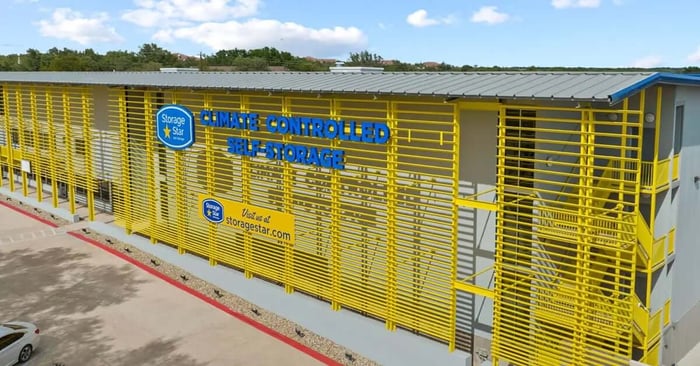
The city’s climate also matters. Winters can bring snow and freezing temperatures, while summers are dry and warm. Climate-controlled storage is often recommended for electronics, wooden furniture, documents, and other items sensitive to temperature fluctuations.
Outdoor recreation is another factor. Skis, snowboards, bikes, climbing gear, and camping equipment add up quickly. Many residents use storage not just during moves but year-round to store seasonal equipment.
How to Choose a Storage Facility in Colorado Springs
Not all storage facilities are created equal. In a city like Colorado Springs, the right choice depends on both location and climate.
If you’re relocating, proximity matters. Choosing a facility close to your neighborhood (whether that’s Downtown, Briargate, Old Colorado City, or the Powers Corridor!) can save you time and stress during a move. The easier it is to access your belongings, the smoother your transition will feel.
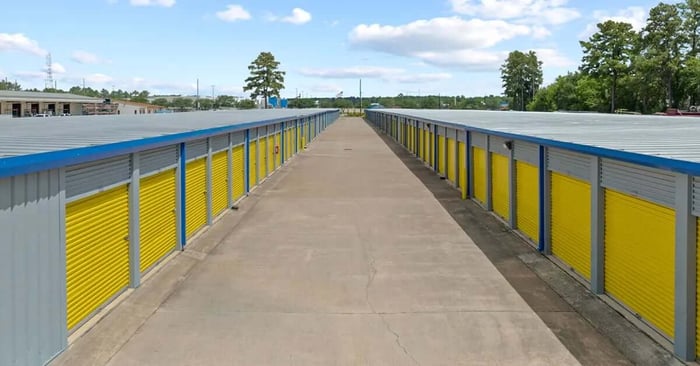
Beyond location, look at overall convenience. Wide drive aisles, easy truck access, clean, well-maintained units, and a secure gate entry can make a noticeable difference when you’re unloading furniture or accessing your unit after work. Month-to-month leasing is also important during a relocation, since most moves don’t follow a perfectly predictable timeline.
Security features like keypad-controlled access and video monitoring are standard expectations today, especially if you’re storing valuables or business inventory. And if you’re storing outdoor gear, which is common in Colorado Springs, having drive-up access can make seasonal swaps quick and simple.
Why Climate-Controlled Storage Matters in Colorado Springs
Colorado Springs experiences real seasonal shifts. Winters bring freezing temperatures and snow, while summers are dry and warm. Even though the region enjoys abundant sunshine, temperature swings between day and night can be significant.
Climate-controlled storage units maintain more stable interior conditions, which can help protect:
Wood and leather furniture
Electronics and appliances
Musical instruments
Documents and photographs
Antiques and collectibles
If you’re relocating from out of state or storing belongings during a winter transition, climate control can reduce the risk of cracking, warping, or moisture-related damage. It’s especially useful for long-term storage or for items you don’t plan to access frequently.
In a place where the weather can change quickly, and altitude affects conditions year-round, climate control often provides peace of mind that’s worth the investment.
Make Your Move to Colorado Springs Easier with Storage Star
Relocating to Colorado Springs is exciting, but it rarely unfolds in a straight line. Closings get delayed. Leases overlap. Military timelines shift. Renovations stretch longer than expected. And in a city where outdoor gear is practically a lifestyle requirement, space fills up quickly.
That’s where having flexible storage nearby can make a real difference.
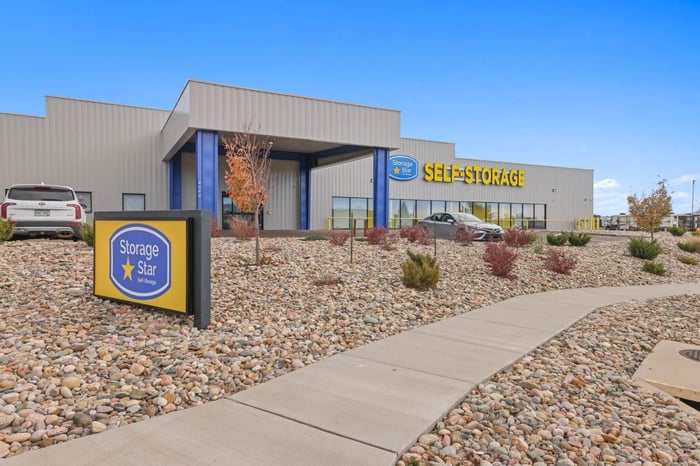
At Storage Star in Colorado Springs, we help newcomers navigate the in-between stages of a move with month-to-month storage options designed for real life. Whether you’re settling into an apartment downtown, buying in Briargate, renovating in Old Colorado City, or relocating to one of the nearby bases, convenient access to clean, secure storage gives you breathing room while you get established.
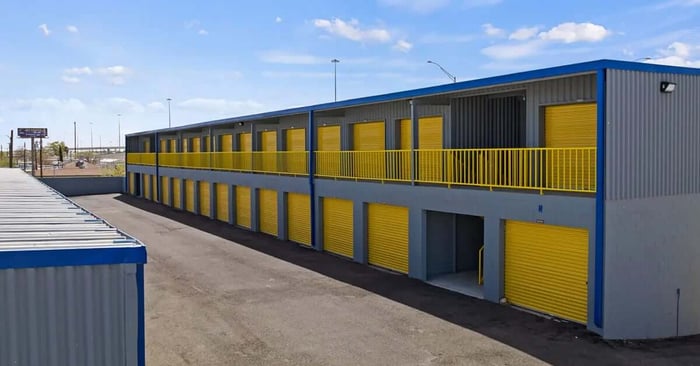
Our Colorado Springs facility offers climate-controlled units to help protect belongings from winter freezes and summer heat, as well as drive-up units that make loading and unloading simple. From temporary storage during a lease gap to longer-term space for outdoor equipment, furniture, or business inventory, we’re here to support your transition.
Moving is a big step. The right storage solution makes it smoother, so you can focus less on logistics and more on enjoying everything Colorado Springs has to offer.
FAQs
Is Colorado Springs growing in 2026?
Yes. Colorado Springs continues to experience steady population growth, driven by military stability, aerospace and defense expansion, remote work flexibility, and lifestyle migration from higher-cost states. New residential developments in Briargate, Northgate, and the Powers Corridor reflect ongoing demand.
Is Colorado Springs cheaper than Denver?
In most cases, yes. While housing prices in Colorado Springs have increased over the past several years, median home values typically remain lower than Denver’s. Rent and overall living expenses are also generally more affordable, though costs have risen as the city has grown in popularity.
Do military families need storage in Colorado Springs?
Many do. With frequent PCS relocations, temporary housing periods, and new construction timelines, short-term storage is common. Month-to-month leases provide flexibility for changing orders or closing dates.
Is climate-controlled storage necessary in Colorado Springs?
For temperature-sensitive items, climate-controlled storage is often recommended. Colorado Springs experiences freezing winters, warm summers, and daily temperature swings that can affect wood furniture, electronics, documents, and collectibles. Climate control helps maintain more stable interior conditions year-round.
What size storage unit do most movers need?
For apartment relocations, 5x10 or 10x10 units are common. Homeowners moving from three- or four-bedroom houses often consider 10x20 units or larger. The right size depends on how much furniture, equipment, and seasonal gear you plan to store.