
Table of Contents
- This Isn’t About Minimalism — It’s About Breathing Room
- Keep, Store, or Donate: A Smarter Way to Decide
- Why Clearing Physical Space Reduces Mental Clutter
- Mini Makeover Ideas for the Most-Used Rooms in Your Home (No Remodel Required)
- Refresh Your Home in Phases — Not Projects
- Storage as a Temporary Reset, Not a Permanent Commitment
- Start the Year With a Home That Works for You
- FAQs
A new year brings fresh energy — but if your home feels cluttered, crowded, or overwhelming, that reset can feel harder than it should. After the holidays, many homes are left with packed closets, overflowing garages, and rooms that no longer feel restful or functional.
But you can easily refresh your home. It doesn’t require a renovation, a major purge, or permanent decisions. Sometimes, it simply takes space—and small, thoughtful updates that help your home support how you want to live in the year ahead.
This Isn’t About Minimalism — It’s About Breathing Room
Refreshing your home for the new year isn’t about owning less or striving for a minimalist aesthetic. It’s about creating a space that works for your current routines, goals, and lifestyle.
When closets are packed, and surfaces are crowded, your home works against you. Clearing space, even temporarily, helps daily life feel calmer, more intentional, and easier to manage without forcing long-term choices.
Keep, Store, or Donate: A Smarter Way to Decide
One of the biggest challenges in refreshing a home is deciding what to keep and what to discard. Instead of asking, “Do I need this forever?” try asking better questions:
Do I use this at least once a month?
Does this support my current lifestyle or goals?
Would I miss this if it weren’t here for the next 90 days?
From there, divide items into three simple categories:
Keep: Everyday essentials and items that support daily life
Store: Seasonal décor, sentimental belongings, or future-use furniture
Donate: Duplicates, guilt items, or things tied to a past phase
This approach relieves pressure and makes a home refresh feel manageable—not emotional.
Why Clearing Physical Space Reduces Mental Clutter
Clutter doesn’t just take up room in your home — it takes up mental space, too. Overcrowded environments can increase decision fatigue, make routines harder to maintain, and even make relaxing feel stressful.
Creating physical space often leads to mental clarity. When your surroundings feel intentional and open, it’s easier to focus on new goals, maintain routines, and enjoy your home again.
Mini Makeover Ideas for the Most-Used Rooms in Your Home (No Remodel Required)
Once holiday decorations are packed away, many homes are left with a cleaner, quieter baseline — a blank slate that’s perfect for small, high-impact updates. Mini makeovers let you refresh your home for 2026 without a remodel, renovation, or a big budget.
If you have the time, budget, and some interior design inspiration, you can also breathe new life into each space with:
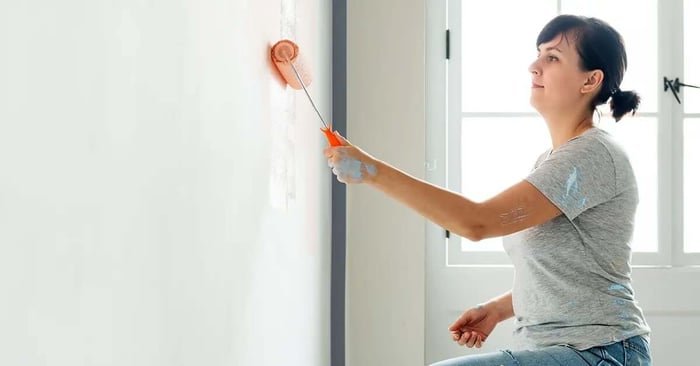
A fresh coat of paint to add a pop of color
New curtains, drapes, or other window treatments
Unexpected wallpaper to add pattern, texture, and liveliness
Area rugs to add variety to hardwood flowers
An accent wall that makes a wall go from drab to focal point
Bedroom: Create a Calmer, More Restful Space
Your bedroom sets the tone for how your day begins and ends.
Simple ways to refresh it include:
Swapping in lighter or more neutral bedding
Adding a textured throw or new accent pillows
Clearing nightstands to just the essentials
Introducing a soft accent color through artwork or linens
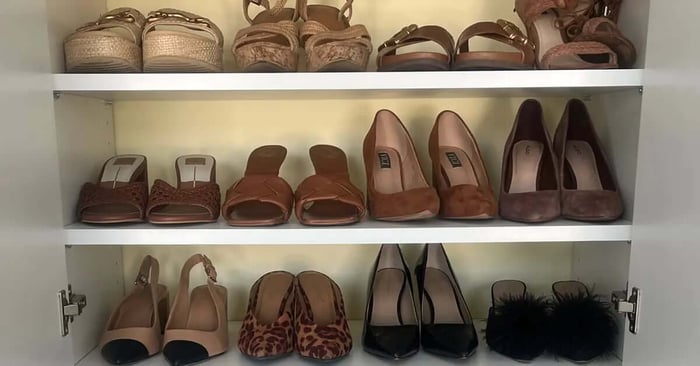
Rotating out off-season clothing to open up closet space
A less crowded bedroom often feels more peaceful — and more restful — without changing the layout.
Kitchen: Refresh the Room You Use the Most
The kitchen is often the heart of the home - frequently used and the home to clutter. Once you've done a quick decluttering, add a little new life into this space.
Easy kitchen mini makeovers:
Add fresh florals, greenery, or a bowl of seasonal fruit
Clear countertops by storing appliances you don’t use daily
Swap dish towels or runners for a new color palette
Restyle open shelving with fewer, more intentional items
Introduce a new fragrance (we love Nest candles, especially Driftwood & Chamomile)
Clear surfaces make the kitchen feel brighter, cleaner, and easier to use.
Living Room: Make Space for How You Actually Live
Living rooms often become catch-alls during the holidays. After the holiday decor is packed away, you may be wondering what's next for this space - especially if the next holiday is months away.
Try:
Updating throw pillows or blankets for a new texture or color
Rearranging furniture slightly to improve flow
Styling your coffee table with a curated stack of books or décor
Rotating artwork or accessories between rooms
Removing extra furniture that crowds walkways
Swap out the knick-knacks, photos, and books in your bookcases. Go antiquing and give old treasures a new home
When the room has space to breathe, it becomes more inviting — whether you’re relaxing or hosting.
Bathroom: Create a Spa-Like, Tranquil Retreat
The bathroom is one of the most frequently used rooms in your home — and one of the easiest to refresh.
Small changes that make a big impact:
Replace towels with a cohesive, neutral color set
Add fresh flowers, a small plant or greenery for a spa-like feel
Declutter countertops and store backup products out of sight
Introduce a candle, tray, or subtle décor element
Swap shower curtains or bath mats for a softer texture
A clutter-free bathroom turns everyday routines into moments of calm.
Entryway: Greet Guests with an Updated Entrance
When guests walk into your home, your entryway is what makes the first impression. Find a new home for boots and dog leashes, and make a few small tweaks in your foyer.
- Consider a console table adorned with decorative books, plants, and a small lamp
- Add a classic umbrella stand that acts as decor and holds umbrellas - your guests will appreciate it on a rainy day
- Hang a mirror so that you, your family, and your guests can check their appearance - if they'd like - before leaving
- Lay down a new runner or accent rug instead of an old welcome mat or boot tray
Refresh Your Home in Phases — Not Projects
A home refresh doesn’t have to follow a strict timeline. Many people achieve the best results by working in phases, not by schedules.
Start by clearing space where clutter is most visible, then layer in small updates as your home begins to feel lighter:
Remove seasonal décor and extra items first
Add fresh textiles, paint, or décor where it will be noticed
Store items you don’t need right now instead of forcing decisions
This flexible approach lets your home evolve naturally — without pressure to finish everything at once.
Storage as a Temporary Reset, Not a Permanent Commitment
Refreshing your home doesn’t mean getting rid of what matters. It means storing what you don’t need right now so your home can function better today.
Temporary self-storage is a great short-term buffer during:
Seasonal transitions
Downsizing or combining households
Setting up a home office
Preparing for a future move
Small renovation or decorating projects
Most self-storage facilities offer flexible month-to-month leases, so you can use self-storage for the length of time you need it.
Start the Year With a Home That Works for You
A refreshed home sets the tone for the year ahead. By clearing clutter, making small intentional updates, and using storage strategically, you can create a space that feels lighter, calmer, and more supportive of your goals for 2026.
If your home needs breathing room this year, Storage Star offers secure, flexible storage solutions designed to help you refresh your space — without permanent decisions.
Reserve your storage unit online or contact your local Storage Star team to get started today.
FAQs
How do I refresh my home for the new year without remodeling?
Refreshing your home doesn’t require renovations or major upgrades. Clearing clutter, updating textiles like pillows or towels, adding greenery, and making small décor changes can dramatically change how a space feels without altering the structure of your home.
What’s the easiest way to declutter without getting rid of everything?
A helpful approach is to separate items into keep, store, or donate categories. Storing seasonal or sentimental items allows you to clear space now without making permanent decisions, while still keeping what matters.
Does decluttering actually reduce stress?
Yes. Research and behavioral studies consistently show that cluttered environments increase mental load and decision fatigue. Creating physical space often leads to a calmer, more focused mindset — especially during times of transition.
How long should I store items when refreshing my home?
Many people only need storage for a few months while they reset their space, rotate seasonal items, or adjust to new routines. Storage doesn’t have to be long-term to be effective — it can simply support a temporary transition.
What items make the biggest difference when removed from a home?
Seasonal décor, extra furniture, off-season clothing, and rarely used appliances often have the biggest visual impact when stored. Removing these items opens up surfaces and walkways, making rooms feel larger and more intentional.
How do I keep my home from getting cluttered again?
The key is treating your home like a living system. Set limits for how much each space can hold, rotate items seasonally, and use storage as a buffer so clutter doesn’t creep back into everyday areas.
Is self-storage a good option for home organization?
Self-storage can be a practical tool for home organization when used intentionally. It allows you to keep your living space functional and flexible without forcing rushed decisions about belongings you may want later.