
Table of Contents
- The True Costs of Warehouse Storage
- Why Local Storage Units Are a Better Option
- How Contractors and Local Businesses Use Storage Units
- Tips for Choosing the Right Storage Unit for Your Business
- Why Storage Star Is Ideal for Contractors & Local Businesses
- FAQs About Warehouse Storage Solutions
- What Are the Most Common Commercial Storage Unit Sizes Best for Franchises?
- What Is the Largest Storage Unit Available at Storage Star?
- What’s the Best Way to Optimize the Available Space in a Large Commercial Storage Unit?
- What Types of Storage Systems Can I Arrange in a 10’x30’ Storage Unit?
- Can I Set Up Warehouse Racking Systems in a Storage Unit?
- Is There Room for a Forklift in a Local Storage Unit?
- Why Are Contractors Switching to Local Storage Units?
- What Size Storage Unit Do I Need for Tools and Equipment?
- Can Local Storage Units Handle Business Inventory?
- Do Storage Star Locations Offer Drive-Up Access for Trucks or Trailers?
- Streamline Your Storage at Storage Star
- FAQs
Contractors and local business owners often lease warehouse space when they need to store large equipment, large quantities of product, or bulky inventory. While warehouse storage allows you to keep everything in one centralized location, the cost of renting a full warehouse can eat into your profits.
If you need warehouse storage, it’s important to first consider the not-so-obvious costs of renting a warehouse, why local storage units may be a better option, and tips for choosing the right unit that will work for your storage needs and your team.
The True Costs of Warehouse Storage
The average cost of warehouse storage is $1.22 per square foot per month. While that may sound manageable at first, it’s only part of the financial puzzle. In addition to paying for warehouse storage, you may also need to account for:
High monthly rent for large square footage
High property insurance
Security costs
Utility bills
If you’re just storing gear or inventory, especially if you’re a contractor with multiple service areas, you don’t need the extra expense and responsibility that comes with renting a full warehouse.
Why Local Storage Units Are a Better Option
Warehouses aren’t the only option for inventory management. Local storage units can be a better option, as they provide:
Affordability: Cheaper rent and storage unit insurance
Flexibility: Monthly rentals with flexible leases
Safety: Surveillance and security
Convenience: Multiple locations, making it easier for service techs & contractors to store equipment near customers’ homes
Scalability: Ability to scale up or down depending on your needs
Customization: Set up shelving units, storage racks, pegboards, or whatever organizational system you need to optimize your space
Accessibility: Units with drive-up access allow you or your techs to quickly load and unload bulky gear, tools, or lawn equipment
Examples of Larger Local Storage Unit Sizes
Don’t think a storage unit can handle your equipment? Here are a few of our larger unit sizes:
10’ x 25’ unit
10’ x 39’ unit
12’ x 45’ unit
12’ x 70’ unit
20’ x 20’ unit
20’ x 25’ unit
20’ x 30’ unit
Each storage facility has different units based on availability. Some Storage Star facilities even have larger units than what’s listed above. Find your local Storage Star facility to browse available units near you!
How Contractors and Local Businesses Use Storage Units
Businesses that don’t need to operate from within a warehouse can benefit from using local storage units. A few examples include:
Lawn care companies can stash mowers and supplies between jobs
Furniture stores can house antiques, collectibles, and other inventory
Thrift stores can keep donations and seasonal inventory organized
Mattress companies can store inventory near distribution areas
Home goods stores can keep seasonal decor safe until the next year
Plumbers and electricians can store tools and hardware between jobs
If you’re a local retailer, contractor, or service provider, you can empower your technicians and team by renting one or multiple storage units in your desired service area. This keeps your techs closer to your customers, or your inventory closer to your store!
Tips for Choosing the Right Storage Unit for Your Business
If you’re integrating storage units into your supply chain, make sure you:
Determine Your Storage Needs: Identify what you’ll be storing and in what quantities, such as tools, e-commerce inventory, vehicles, or seasonal items
Measure Your Items: Select the proper unit size, such as 10’x20’ or 5’x10’
Consider Climate Control: While local storage units typically offer cold storage, many include climate-controlled options to protect temperature-sensitive inventory
Choose Locations Near Staff or Clients: Picking a strategic location will reduce travel time and cut down on fuel costs
Check Accessibility and Security Features: Real-time monitoring and 24/7 access are must-haves to protect your equipment and inventory
You should also find out whether the storage facility will allow you to install mobile shelving or mobile racking to keep your supplies organized.
Additional Benefits of Local Storage Units
Going with local storage units instead of warehouse storage offers other perks, such as:
Scalability: You can rent additional units as your business needs change or end month-to-month leases if you need to scale back
Cost Transparency: There are fewer hidden expenses compared to a warehouse, which makes budgeting simpler
Operational Efficiency: Faster loading and unloading, as well as easier inventory management, will make your operations more efficient
Peace of Mind: Professional storage facilities with security and 24/7 gated access give you peace of mind knowing your inventory is safe
The benefits are clear. Now, it’s time to identify the right provider for your local business or contractor work.
Why Storage Star Is Ideal for Contractors & Local Businesses
Storage Star offers commercial storage units to support local businesses, contractors, and other professionals who need flexible space. With Storage Star, you benefit from our:
Wide range of unit sizes for tools, inventory, and equipment
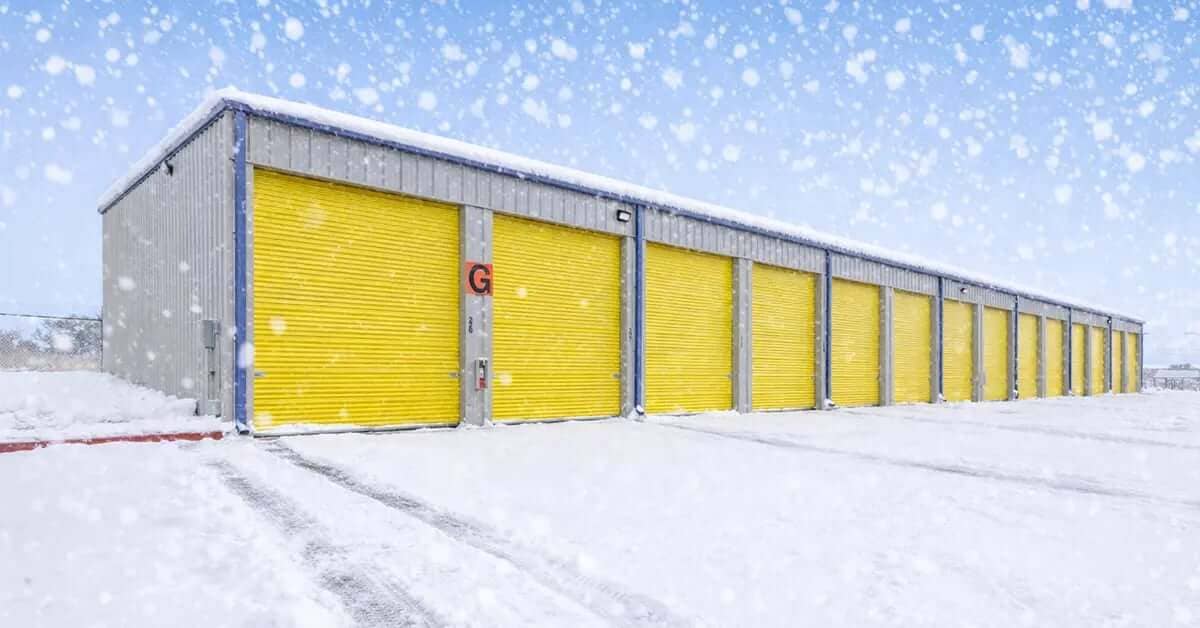
Drive-up access for trailers, heavy equipment, and trucks
Flexible leases to suit your needs
Secure facilities that are monitored 24/7
Switch to a local Storage Star near your business to save on storage costs while improving efficiency.
FAQs About Warehouse Storage Solutions
What Are the Most Common Commercial Storage Unit Sizes Best for Franchises?
The most common commercial storage unit sizes include 20’x20’ and 10’x40’. A 10’x20’ unit is especially popular for businesses that need some extra space.
What Is the Largest Storage Unit Available at Storage Star?
Storage Star’s two most common large units are 20’x20’ and 10’x40’. Each facility has different sizes available for rent, some of which are smaller, and a few are larger. Find a Storage Star location near you to browse available units.
What’s the Best Way to Optimize the Available Space in a Large Commercial Storage Unit?
Mimic the elements you value in a warehouse layout, such as cantilever racking or push-back racking. Double deep racking solutions can be especially useful in making the most of every cubic foot of space in your storage unit.
What Types of Storage Systems Can I Arrange in a 10’x30’ Storage Unit?
Mobile racking is the best fit for a 10’x30’ storage unit. However, some commercial units include infrastructure for cantilever racking systems.
Can I Set Up Warehouse Racking Systems in a Storage Unit?
You may be able to set up a mobile warehouse racking system in your storage unit. However, most facilities prohibit you from mounting anything to the walls or ceiling, as it could damage the infrastructure.
Is There Room for a Forklift in a Local Storage Unit?
Technically, yes. However, there won’t be enough overhead clearance to use it safely. Therefore, you should keep heavy or bulky items on lower racks. If you need to elevate heavier items, use a compact retrieval system.
Why Are Contractors Switching to Local Storage Units?
Contractors are making the switch due to the flexibility that local units provide. They can save money, move equipment closer to work sites, and scale as needed.
What Size Storage Unit Do I Need for Tools and Equipment?
Measure your equipment and determine the quantity of tools you need to store. Make sure you rent a unit large enough so that you can access all of your essential equipment. Need help estimating what size storage unit you’ll need? Contact your local facility to speak with a friendly representative.
Can Local Storage Units Handle Business Inventory?
Yes, but it’s up to you to keep your inventory organized. Invest in efficient racking or shelving systems so you can save time when retrieving or restocking inventory.
Do Storage Star Locations Offer Drive-Up Access for Trucks or Trailers?
Yes, many Storage Star facilities are built for vehicle accessibility. You can drive your commercial vehicle, truck, or trailer to your unit for easy loading and unloading.
Streamline Your Storage at Storage Star
Warehouses have hidden costs that are going to eat away at your bottom line. On the other hand, local storage units can provide your business with much-needed flexibility and convenience. You can save money and move your products or equipment closer to your customers.
Storage Star is the ideal fit for local businesses and contractors. Our wide range of unit sizes and locations makes it easy to find the right space for your needs.
Find a Storage Star facility near your franchise or business and discover a smarter, more affordable way to store your equipment and inventory.
FAQs
What Are the Most Common Commercial Storage Unit Sizes Best for Franchises?
The most common commercial storage unit sizes include 20’x20’ and 10’x40’. A 10’x20’ unit is especially popular for businesses that need some extra space.
What Is the Largest Storage Unit Available at Storage Star?
Storage Star’s two most common large units are 20’x20’ and 10’x40’. Each facility has different sizes available for rent, some of which are smaller, and a few are larger. Find a Storage Star location near you to browse available units.
What’s the Best Way to Optimize the Available Space in a Large Commercial Storage Unit?
Mimic the elements you value in a warehouse layout, such as cantilever racking or push-back racking. Double deep racking solutions can be especially useful in making the most of every cubic foot of space in your storage unit.
What Types of Storage Systems Can I Arrange in a 10’x30’ Storage Unit?
Mobile racking is the best fit for a 10’x30’ storage unit. However, some commercial units include infrastructure for cantilever racking systems.
Can I Set Up Warehouse Racking Systems in a Storage Unit?
You may be able to set up a mobile warehouse racking system in your storage unit. However, most facilities prohibit you from mounting anything to the walls or ceiling, as it could damage the infrastructure.
Is There Room for a Forklift in a Local Storage Unit?
Technically, yes. However, there won’t be enough overhead clearance to use it safely. Therefore, you should keep heavy or bulky items on lower racks. If you need to elevate heavier items, use a compact retrieval system.
Why Are Contractors Switching to Local Storage Units?
Contractors are making the switch due to the flexibility that local units provide. They can save money, move equipment closer to work sites, and scale as needed.
What Size Storage Unit Do I Need for Tools and Equipment?
Measure your equipment and determine the quantity of tools you need to store. Make sure you rent a unit large enough so that you can access all of your essential equipment. Need help estimating what size storage unit you’ll need? Contact your local facility to speak with a friendly representative.
Can Local Storage Units Handle Business Inventory?
Yes, but it’s up to you to keep your inventory organized. Invest in efficient racking or shelving systems so you can save time when retrieving or restocking inventory.
Do Storage Star Locations Offer Drive-Up Access for Trucks or Trailers?
Yes, many Storage Star facilities are built for vehicle accessibility. You can drive your commercial vehicle, truck, or trailer to your unit for easy loading and unloading.