
Table of Contents
Austin is a great city to live in, but it’s not a great city for your stuff if it’s sitting in a non-climate-controlled storage unit. With summer temperatures regularly topping 100°F and humidity levels averaging 67% year-round, the Austin climate is hard on furniture, electronics, documents, antiques, and other valuables. Climate-controlled storage isn't a luxury upgrade here — for many items, it's the difference between your belongings surviving or not.
What Austin's Climate Actually Does to Your Belongings
Austin averages 123 days a year when temperatures reach into the 90s°F, and August highs average 99°F, with humidity pushing that to feel significantly warmer. A standard, non-climate-controlled storage unit can reach temperatures well above the outdoor high, creating conditions that damage belongings quickly and sometimes permanently.
How Items Hold Up (& Break Down) in the Heat
Here's what that environment does to common stored items:
Wood furniture
Heat and humidity cause wood to expand and contract repeatedly. Over time this leads to warping, cracking, splitting joints, and finish damage. We recommend storing wood furniture at temperatures between 60°F and 80°F — a range a standard Austin storage unit can blow past by mid-morning in July.
Electronics
Humidity causes condensation to form inside devices, corroding circuit boards and causing short circuits. Extreme heat weakens solder joints and can cause component failure — sometimes immediately, sometimes months later. Hard drives are especially vulnerable, as temperature fluctuations cause metal components to expand and contract at different rates, risking data corruption.
Boats and PWC
Boat owners should also consider that Austin's heat and UV exposure can degrade upholstery, wiring, and fiberglass over time — see our complete guide to boat storage in Austin for what to look for in a storage facility. Many Storage Star locations have indoor or outdoor boat storage options.
Leather furniture and clothing
Leather dries out and cracks in high heat, and develops mildew in high humidity. Once leather is significantly damaged, restoration is expensive and rarely fully restores the original quality.
Artwork and photographs
Heat can cause ink to fade or melt, and extreme temperatures create chemical reactions in some materials. High humidity causes paper to absorb moisture, leading to warping, mold, and deterioration.
Important documents
Tax records, birth certificates, contracts, and family photo albums are all highly susceptible to moisture damage. Paper absorbs humidity readily, and mold can begin developing quickly in warm, damp conditions.
Musical instruments
Wood-bodied instruments like guitars and violins are particularly sensitive. Heat affects tension and tone, and humidity causes swelling and warping that can be structurally damaging.
What Climate-Controlled Storage Actually Does
Climate-controlled units maintain a consistent indoor temperature, typically between 55°F and 85°F, regardless of what's happening outside.
In practical terms, this means:
No repeated expansion and contraction cycles stressing wood joints and finishes
No condensation forming inside electronics
No mold or mildew developing on upholstered furniture, clothing, or paper
No leather drying out or cracking
No artwork fading or deteriorating
The cost difference between a standard and climate-controlled unit is typically modest, and in Austin's climate, that premium is almost always worth it for sensitive or valuable items. Replacing a warped antique dresser, a corroded laptop, or water-damaged documents costs far more than a few extra dollars a month.
What to Store in a Climate-Controlled Unit
Not everything you own needs climate control — sports equipment, metal tools, and most plastic items handle temperature swings reasonably well. But for the following, a climate-controlled unit is strongly recommended in Austin's climate:
Wood, leather, and upholstered furniture
Most electronics like TVs, computers, gaming systems, speakers
Artwork, paintings, and framed photographs
Important documents, including tax records, contracts, birth certificates
Musical instruments, especially guitars and amplifiers
Antiques and collectibles
Clothing, especially delicate fabrics, wedding dresses, and leather
Wine and spirits
Mattresses and bedding
Storage Star's Climate-Controlled Options in Austin
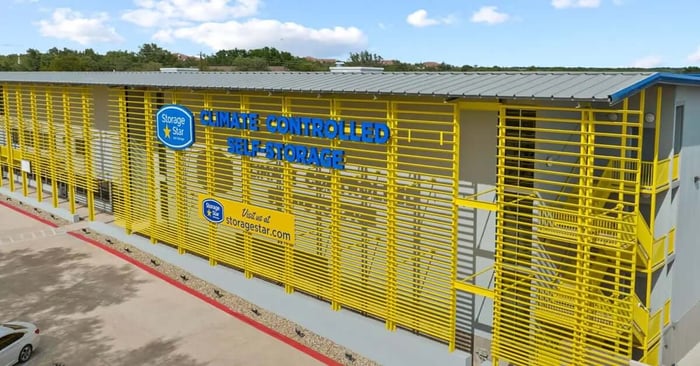
Storage Star has climate-controlled units available across multiple Austin locations, with flexible rental terms and a range of unit sizes to fit different needs. Whether you're in the middle of a move, staging a home for sale, decluttering, or just need a safe place for items you're not ready to part with, there's an option near you.
Curious about sizing or pricing? Check out our storage unit cost guide for Austin for a full breakdown — or use our storage unit sizing tool to help you choose the perfect size unit.
Find an Austin Storage Star near you and browse available units:
Frequently Asked Questions
Is climate-controlled storage worth the extra cost in Austin?
For most valuables, yes. Austin's heat and humidity are hard on furniture, electronics, and documents. The added monthly cost of a climate-controlled unit is almost always less than the cost of repairing or replacing damaged items — and for irreplaceable items like family photos or heirlooms, there's no comparison. If you're weighing storage costs against other Austin expenses, our Austin cost of living guide puts it in a broader context.
What temperature do climate-controlled units stay at?
Most climate-controlled storage units maintain temperatures between 55°F and 85°F year-round, with humidity levels managed in the 30–50% range. This keeps conditions stable regardless of Austin's outdoor temperatures.
Can I store electronics in a regular storage unit in Austin?
It's risky, especially during summer. Humidity causes condensation inside devices, corroding internal components, and heat can weaken solder joints and cause failures. For any electronics you want to keep functional, a climate-controlled unit is the safer choice.
How long can furniture sit in a non-climate-controlled unit in Austin?
Even a few weeks during summer can cause visible damage to wood and leather. The longer the storage period, the greater the risk, especially for antiques, which are more brittle and vulnerable than newer pieces.
Keep Your Things in Top Shape with Climate Control
Whether you're storing furniture during a move, protecting electronics between uses, or keeping a boat in good condition year-round, a climate-controlled unit is one of the simplest ways to avoid costly damage. Storage Star has locations across Austin to fit wherever you are in the city — and if you're still figuring out the area, our guides to Austin's best neighborhoods and cost of living in Austin are a good place to start. Find a Storage Star near you and browse available units today.
Still have questions about climate-controlled storage units? Check out these articles for more information: