
Table of Contents
Storage Star offers commercial trailer, truck, and fleet parking for businesses and independent drivers who need a secure place to park. Whether you’re a fleet manager keeping your technicians’ vehicles off the street overnight or an owner-operator without room for your rig at home, we have parking solutions for every job.
Fleet managers and business owners use commercial storage to protect company vehicles, cut down on liability, and free up space at a shop or office lot. Independent drivers turn to it when home isn’t an option, whether because of a homeowners association (HOA) or a driveway that’s too small for a full-size trailer. This guide covers what to look for in a storage provider, how to size your space, storage options, and a few practical tips for keeping your trucks and trailers ready to roll.
Why Choose a Self-Storage Facility for Commercial Trailer Storage?
Not all parking is created equal. Commercial vehicles need a secure place, and contractors, fleet managers, and drivers need to be able to easily access their vehicles. Self-storage facilities offer that balance in ways traditional parking lots and driveways can’t.
Added Security for Work Vehicles
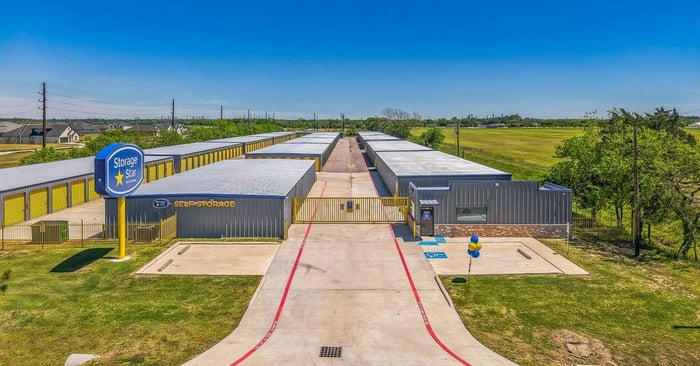
Commercial trucks and trailers often have valuable tools, equipment, or materials. Storage Star facilities offer security features such as gated access, 24/7 video surveillance, fenced perimeters, and on-site staff. Available features vary by location, so check your facility before renting. Keeping vehicles at a dedicated facility can be useful when you don’t want technicians taking loaded work trailers home or leaving them at unsecured job sites overnight.
Convenient Access
Your crew needs to get on the road quickly at the start of the workday. Drive-up access and wide drive aisles at select Storage Star facilities make it easier to reach trucks, trailers, semis, and other stored equipment. Many of our locations offer extended gate hours or 24/7 access.
Flexible Account Management
Commercial storage needs can change as your business grows or enters a busy season. Storage Star offers month-to-month leasing, so you’re not locked into a long-term rental when your fleet needs change. Additionally, online bill pay and account management make it easier to take care of your storage without another trip to the office.
Storage Close to Where You Work
Location is important when your trucks are on the road every day. Choosing commercial storage near your home base or service area can help reduce unnecessary driving, which is useful for contractors with technicians working across a large region. Instead of trying to fit every truck and trailer into one crowded company lot, you can look for a Storage Star facility convenient to the area each crew serves.
Storage Star offers both business storage and vehicle storage options at select locations. Compare nearby facilities to find the right combination of parking, access, security features, and rental flexibility that fits your business needs.
What Size Storage Unit or Parking Space Do You Need?
The right size for commercial trailer storage depends on the vehicle itself and how you want to store it. For example, a lawn care company’s utility trailer will need less space than a semi-truck or full-size commercial trailer.
Start by measuring the full length, width, and weight of every vehicle or trailer you plan to store. Include the hitch, coupler, racks, ladders, mounted equipment, and anything else that adds to its overall dimensions and weight.
Once you know your dimensions, decide how you want the vehicle stored. For example, it can be parked outdoors, under a covered space, or in an enclosed unit.
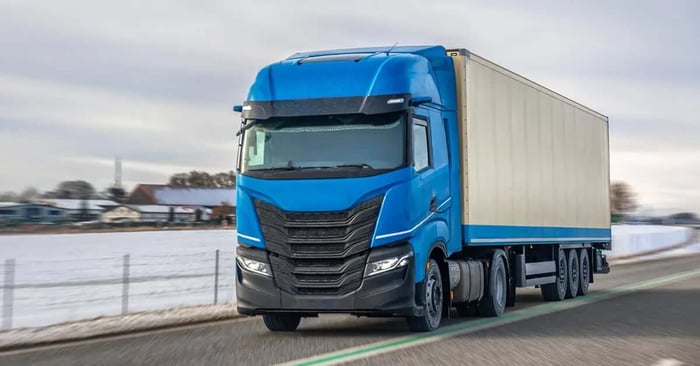
Semi-trucks and full-size trailers typically need a dedicated outdoor parking space rather than a standard drive-up unit because most units aren’t made to fit a semi cab and trailer combo. If you plan to keep the trailer loaded between jobs or overnight, choose an indoor unit for the extra layer of security.
Vehicle/Load Type | Recommended Space | Unit Sizes |
Single work truck or van | Outdoor parking space or 10x20 drive-up unit | 10x20, 12x25, 15x20, 20x20 |
Truck + trailer combo | Outdoor parking space or 10x30 unit | 10x30, 10x35, 20x25 |
Full-sized trailer | Outdoor parking space or 10x40 unit | 10x40, 12x45 |
Semi-truck or fleet vehicles | Outdoor parking space or 10x50 unit | 10x50, 12x70, 20x50 |
If you’re not sure which size unit you need, our storage unit size guide can help you compare dimensions before you rent a space. Indoor self-storage units are typically 8 feet tall, but some facilities have extra-tall doors. If your vehicle is over 8 feet tall, contact your local Storage Star to discuss your trailer storage options.
Fleet Parking for Businesses with Multiple Vehicles
Commercial storage can also simplify operations when you have several trucks or trailers. Instead of keeping vehicles at different job sites, technicians’ homes, or an overcrowded company lot, you can consolidate available fleet parking at one Storage Star facility.
Lawn care companies, pest control businesses, contractors, and other service businesses benefit from storing vehicles near the areas their technicians serve because it can reduce unnecessary driving at the beginning and end of the workday. If you’re storing vehicles alongside tools, materials, or inventory, contractor storage can also provide a convenient place to keep everything organized and closer to the crews that use it.
Additionally, our month-to-month rentals give growing businesses more flexibility. If you add vehicles during your busy season, you can rent additional space when available without committing to a long-term lease.
Storage Tips for Commercial Trucks and Trailers
A few simple steps can help keep commercial vehicles organized, secure, and ready for the next job. Before leaving a truck or trailer in storage:
Lock the vehicle or trailer: Secure doors, hitches, and couplers with the appropriate locks, especially if you’re keeping tools or equipment inside.
Secure loaded equipment: Use straps or tie-downs to keep tools and machinery from shifting while the trailer is moved or stored.
Check the tires: Inspect tire pressure and look for visible wear before longer storage periods. Check them again before putting the vehicle back into service.
Keep a maintenance log: Record routine inspections, maintenance needs, and any issues reported by drivers or technicians. A simple checklist can help your team know what needs attention before the next job.
For larger fleets, these steps should be part of the normal check-in process. A consistent routine not only helps keep vehicles organized, but it also makes it easier for the next technician or driver to get on the road.
Frequently Asked Questions About Storing Trucks and Trailers
How much does it typically cost to store a trailer?
Pricing depends on unit size, whether you choose outdoor, covered, or enclosed parking, and your local market. Contact your nearest Storage Star facility for current rates in your area.
What’s the most affordable way to store a trailer?
Outdoor parking spaces are generally the most affordable option. However, price shouldn’t be the only consideration. If your trailer has expensive tools or equipment, the additional protection of an enclosed space may be worth the higher cost. Compare your options based on both your budget and what you keep in the trailer.
Can I store a semi-truck at a self-storage facility?
Some self-storage facilities have parking spaces large enough for commercial trucks and trailers, but availability varies. Semis often need dedicated outdoor parking due to their size. Contact the Storage Star facility near you to confirm dimensions before renting.
What size space do I need for a commercial trailer?
Full-sized trailers often need a space that’s at least 10 feet x 40 feet. Measure the full length, width, and height of your trailer, including the hitch, coupler, racks, and attached equipment. Then compare those measurements with the dimensions of the available parking space or storage unit. If you’re considering enclosed storage, confirm the door height and width as well as the unit’s interior dimensions.
Is commercial vehicle storage secure?
Self-storage can provide additional security compared with leaving a commercial vehicle at a job site or other unmonitored location. Storage Star facilities offer gated access, perimeter fencing, 24/7 video surveillance, and on-site staff. However, you should still lock trucks and trailers and secure valuable equipment inside them.
Find Commercial Truck and Trailer Storage Near You
Whether you need one parking space or room for multiple work vehicles, Storage Star can help you find a storage option that fits your business. Find a self-storage facility near you and rent online today.
FAQs
How much does it typically cost to store a trailer?
Pricing depends on unit size, whether you choose outdoor, covered, or enclosed parking, and your local market. Contact your nearest Storage Star facility for current rates in your area.
What’s the most affordable way to store a trailer?
Outdoor parking spaces are generally the most affordable option. However, price shouldn’t be the only consideration. If your trailer has expensive tools or equipment, the additional protection of an enclosed space may be worth the higher cost. Compare your options based on both your budget and what you keep in the trailer.
Can I store a semi-truck at a self-storage facility?
Some self-storage facilities have parking spaces large enough for commercial trucks and trailers, but availability varies. Semis often need dedicated outdoor parking due to their size. Contact the Storage Star facility near you to confirm dimensions before renting.
What size space do I need for a commercial trailer?
Full-sized trailers often need a space that’s at least 10 feet x 40 feet. Measure the full length, width, and height of your trailer, including the hitch, coupler, racks, and attached equipment. Then compare those measurements with the dimensions of the available parking space or storage unit. If you’re considering enclosed storage, confirm the door height and width as well as the unit’s interior dimensions.
Is commercial vehicle storage secure?
Self-storage can provide additional security compared with leaving a commercial vehicle at a job site or other unmonitored location. Storage Star facilities offer gated access, perimeter fencing, 24/7 video surveillance, and on-site staff. However, you should still lock trucks and trailers and secure valuable equipment inside them.