
Table of Contents
Downsizing can mark the beginning of an exciting new chapter. Whatever comes next, having less space can mean more freedom to spend your time the way you want it. But downsizing doesn’t mean that you’re giving everything up.
After years in the same home, you’ve likely collected furniture, family keepsakes, photos, hobby equipment, and other belongings that are still important to you. The challenge is deciding what deserves a place in your new life and what you want to hold on to without using up valuable space in your home. These downsizing tips for seniors and retirees will help you work through those decisions.
The Keep, Store, or Pass Down Framework
One of the hardest parts of downsizing is deciding what to do with belongings you’ve accumulated over the years. A simple way to make those decisions easier is to give yourself three choices: keep it, store it, or pass it down.
Keep the things you use regularly and have room for in your new home.
Store belongings you still want but don’t need taking up space.
Pass down items that have meaning to your family and are ready for a new home.
This approach is helpful with sentimental belongings. Something can be important to you without needing to sit in a closet or take up shelf space. Storage gives you time to hold onto those items until you know what to do with them.
You should also go through the process with your children and grandchildren, if possible. They may love something you rarely use, such as a piece of furniture. Passing it down now lets them enjoy it while giving you one less item to move or store.
You can use this table as a starting point:
Category | Keep in New Space | Store for Now | Consider Passing Down |
Everyday pieces that fit the new floor plan | Extra seating, spare bedroom furniture | Family antiques, dining sets | |
Keepsakes & photos | Meaningful items you want to display | Boxed photo albums, memorabilia | Items tied to a specific family member |
Seasonal or hobby items | What's used regularly | Holiday decor, hobby equipment used occasionally | Collections a family member has asked about |
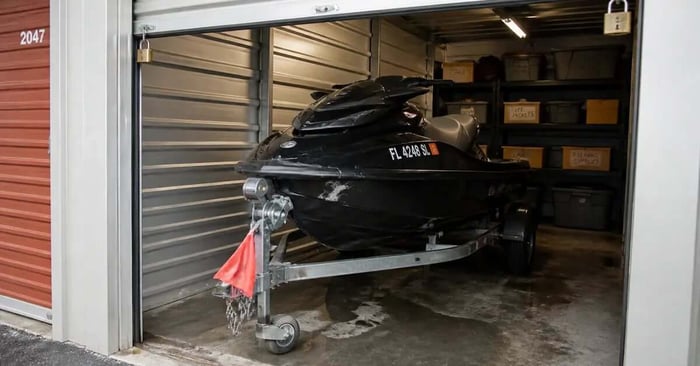
Your everyday vehicle | RVs, motorcycles, boats, or seasonal vehicles | Extra vehicles, boats (so you can enjoy the benefits without the work) |
You don’t need to make every decision immediately. The goal is to create a new home that allows you to live the way you want to live now without feeling like you must part with everything that’s important to you.
What Not to Do When Downsizing
Knowing what to avoid can make the process easier, too. Give yourself enough time to make thoughtful decisions rather than trying to clear an entire home at once.
Don’t rush sentimental decisions: Family heirlooms, such as photographs or keepsakes, deserve more thought than everyday household items. If you’re unsure, set the item aside and come back to it later.
Don’t sort family items without asking: Check with children or grandchildren before donating or selling something meaningful. While it might slow the process down, that’s OK, especially if it prevents you from getting rid of something a family member wanted.
Don’t guess whether furniture will fit: Measure your new rooms, doorways, and wall space before deciding which pieces to move.
Don’t wait until moving week: Start sorting as early as possible, even if your move is still months away. Working through one room or category at a time gives you space to think.
Don’t rule out storage because you’re worried about fragile belongings: Climate-controlled storage can provide a more stable environment for items such as photographs, documents, wood furniture, and other valuables that may be affected by extreme temperature changes.
Taking your time gives you more control over what comes with you and what happens to everything else.
Making Room for Important Items
Using storage doesn’t mean you failed to downsize. Sometimes it shows that an item is important to you even though it doesn’t need to take up space in your new home. When you’re stuck on an item, ask yourself three questions:
Do I use it?
Do I display it?
Do I simply want to know that it’s somewhere safe?
If the answer is the last one, storage may be the right place for it. You can always revisit the decision later. Month-to-month storage gives you breathing room to settle into your new space first and sort through sentimental belongings when you’re ready.
Downsizing Tips Based on Your Next Move
Once you know what you’re keeping, storing, or passing down, think about the limits of where you’re headed. Your downsizing strategy will change depending on your next move:
Moving to a 55+ Community
Start with the floor plan. Measure each room and compare those dimensions with the furniture you want to bring. If a favorite piece won’t fit comfortably, consider storing it rather than making a permanent decision before you’ve settled in.
Moving to a Smaller Home
You’ll first want to focus on what you use every week. Everyday dishes, clothing, furniture, and other essentials should be easy to access, but you also don’t want them filling every cabinet and closet. Seasonal decorations, hobby supplies, and other items you only use occasionally are good candidates for storage if your new home has less room.
Aging in Place
Downsizing can also make sense when you’re staying in your current home. If you’re renovating to make the space easier to live in, temporary storage can keep furniture and belongings out of the way during the project. Once the work is done, bring back what you need and decide whether the rest still deserves space at home.
Moving into an RV
If you’re living in an RV, you need to be selective about what comes on the road. Prioritize everyday essentials and items that support the way you plan to travel. Furniture, keepsakes, seasonal gear, and other belongings tied to a traditional home can stay in storage, giving you a home base for things you may want later.
Moving Overseas
Shipping an entire household internationally can be expensive and take time. If you aren’t sure how long you’ll live abroad, you may not want to ship everything or give it all away before you leave. Keeping furniture, keepsakes, and other important belongings in storage stateside gives you time to see where this next chapter takes you.
How Self Storage Fits into Your Downsizing Plan
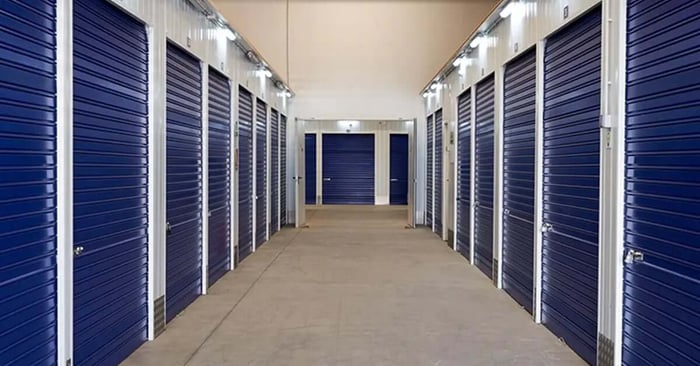
Downsizing with a self-storage unit gives you more flexibility. Instead of deciding the future of every belonging before moving day, you can create space in your new home while keeping important items accessible.
The type of storage you choose depends on what you’re keeping and how often you’ll need it. A few features can make the transition easier:
Climate-controlled storage: Items such as photo albums, important documents, artwork, and wood furniture can be sensitive to extreme temperatures. A climate-controlled unit provides a more stable storage environment for belongings you want to keep.
Month-to-month rentals: Downsizing plans can change. Month-to-month storage gives you time to settle into your new home and revisit stored belongings later.
Drive-up units: Moving furniture and boxes is easier when you can pull your vehicle close to your unit. Drive-up storage can be especially convenient during the move or when you need to pick up larger items later.
Multiple unit sizes: You may only need room for a few boxes or keepsakes, or you might be storing furniture from several rooms. Storage Star offers a range of unit sizes, and our storage unit size guide can help you estimate how much space you need.
Storage can be temporary while you decide what belongs in your new home, or it can become a longer-term home for seasonal and sentimental items you still want to keep. Either way, it gives you more usable space without rushing decisions you’re not ready to make.
Frequently Asked Questions About How to Downsize Your Home
What’s the best way to store sentimental items long-term?
Climate-controlled storage is sometimes the best option for sentimental items. It protects everything, from photo albums and wood furniture to important documents, from the temperature swings and humidity that can cause damage over time.
At what age do most people downsize?
Most people begin downsizing in their 60s, often around retirement. However, the right time depends on your circumstances. Some downsize earlier to simplify life, while others wait until a move, like joining a 55+ community, makes it necessary.
What are things you should always keep when downsizing your home?
There’s no universal list. However, you should keep important documents and frequently used items. It’s also important to keep possessions that still have meaning, such as photo albums.
Make More Room for What Comes Next
Whatever comes next, downsizing is about creating a home and lifestyle that fits where you want to go. Storage Star gives you the extra room and freedom to keep the belongings you want. Whether you need short-term storage during a move or longer-term household storage, we have a unit that fits your plans. Find a self-storage facility near you today.
Check out more tips for downsizing with a storage unit, decluttering your home, and how to organize your storage unit before you move in!