
Table of Contents
- What Is Parking Storage?
- Types of Vehicle Storage Solutions
- How to Choose the Right Vehicle Storage Type
- Preparing Your Vehicle for Storage
- Seasonal Storage Tips
- Vehicle Storage Unit Size Guide
- How Storage Star Keeps Your Vehicles Safe
- Common Mistakes to Avoid When Storing Vehicles
- Secure Parking Storage, Your Way
- FAQs
Big trucks, campers, boats, and RVs are part of the American lifestyle—but finding space for them at home isn’t always easy. That’s where indoor and outdoor parking storage comes in, offering a safe place to protect your vehicle year-round.
The right storage option keeps your car, RV, or boat secure and ready to use in any season. If you’re unsure which type fits your needs, you’re in the right spot.
Storage Star makes it simple to safeguard your investment. This guide breaks down the main types of vehicle storage and the seasonal care tips that keep your ride in top shape all year long.
What Is Parking Storage?
“Storage parking” refers to keeping a vehicle in a secure space temporarily, seasonally, or indefinitely. Large vehicles like boats and RVs are hard to store at home and can sometimes pose problems with garage space and HOA regulations. Parking storage solves these problems.
Parking storage options vary by size, protection level, and price point. Some facilities offer covered storage, but you can also find drive-up storage units that are totally enclosed.
Open parking spaces
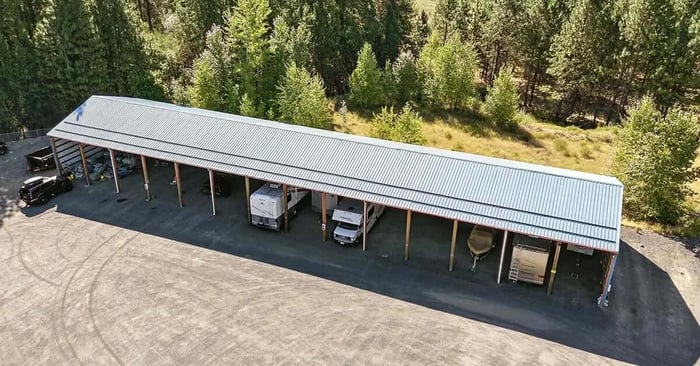
Covered parking spaces
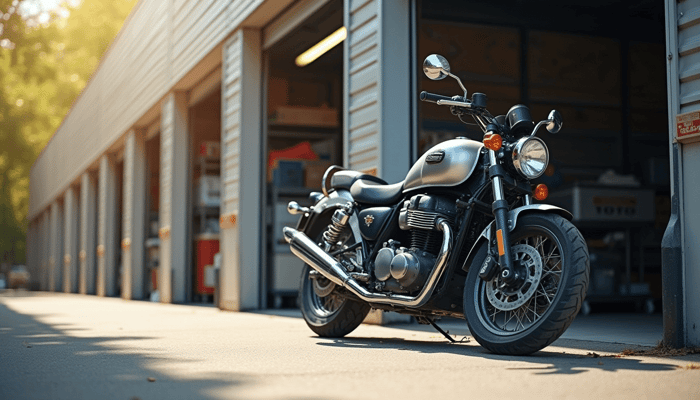
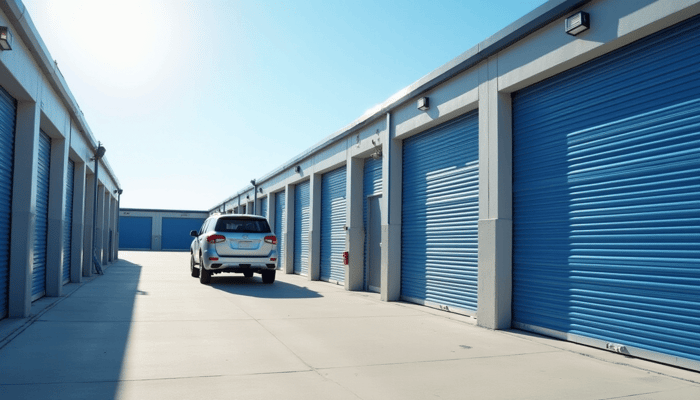
Enclosed storage units with drive-up access & bay doors
Types of Vehicle Storage Solutions
Here’s how to decide which storage type best fits your needs, budget, and comfort level:
Outdoor Vehicle Storage
Outdoor self-storage is a budget-friendly option for large vehicles. This type of storage includes outdoor parking spaces within a secure facility with electronic gate access. If you use your vehicle(s) often, outdoor parking storage should suffice.
Pros:
Easy access to your vehicles
Most affordable storage option
Gated access for secure outdoor storage
Cons:
Exposure to weather and sun
Limited protection for exterior coatings and paint
If you’re looking to maximize your savings while maintaining access to your vehicles, outdoor storage may be your best bet. For best results, use a high-quality vehicle cover and tire protectors.
Covered Vehicle Storage
If you use your vehicle intermittently and want more protection against the elements, covered vehicle storage is a great option. You can park under a canopy or roofed structure for mid- to long-term storage.
Covered storage is best for vehicles like RVs, boats, dirt bikes, and cars that meet the height requirements. This type of car storage safeguards classic cars better than uncovered parking.
Pros:
Protection against sun, rain, and hail
Good balance of protection and cost-effectiveness
Medium- to long-term storage solutions
Cons:
Limited availability
Height restrictions
Higher price point than uncovered vehicle storage options
Less total storage space than indoor storage units
If protection from the elements is your top priority, consider covered outdoor parking.
Enclosed (Indoor) Vehicle Storage
Enclosed vehicle storage offers the maximum level of protection for classic cars, luxury vehicles, and high-end boats. This option makes long-term boat storage possible if you don’t live near water.
Fully enclosed garage-style storage units are popular for indoor car storage, making them more protective than outdoor parking spots. Even if you have a small vehicle, you may still want to opt for indoor vehicle storage to avoid issues like rust and corrosion.
Pros:
Maximum protection
No weather exposure
Climate-controlled storage available
Theft protection
Highest-security option
Cons:
Premium cost
Limited sizes for larger vehicles
More time and effort are required to access your vehicle
With climate-controlled vehicle storage units, you can avoid many of the problems that come with long-term outdoor parking. If budget isn’t an issue and you’re looking to maximize your vehicle’s protection, enclosed storage is definitely the best choice.
How to Choose the Right Vehicle Storage Type
Find your local Storage Star to see what types of vehicle storage options are available at your local facility. Here are some key factors to consider when making your decision.
How Much Your Vehicle Is Worth and How Often You Use It
Consider the vehicle’s value and your frequency of use. For example, daily drivers are typically worth less than classic cars or larger vehicles. And since you need easy, frequent access to them, uncovered parking makes sense.
In contrast, highly valuable vehicles require more protection and warrant the higher price point of covered or indoor storage units. Learn more about how much it costs to store a car.
Your Local Climate
Think about the typical weather in your area. Extreme heat, humidity, snow, and hail all call for covered or indoor vehicle storage options. These conditions can decrease the value of your vehicle by causing unnecessary distress or damage.
By paying a little more for covered parking or indoor storage, you’ll be investing in the future of your vehicle(s) and saving money over the long term.
Accessibility
You should also consider how often you plan to get the vehicle out for use. Do you need 24/7 gate access, or will you just make occasional visits? Don’t forget to account for periodic maintenance needs. You might not plan on using a particular vehicle very often, but regular upkeep is still important for preserving its function and value.
Insurance and Budget
Some storage facilities require proof of insurance before you can move in your vehicle. Think about how much you’ll be paying for insurance and adjust your budget accordingly.
A bigger budget may allow for higher-end options like covered and indoor storage. Outdoor car storage is convenient and budget-friendly, but it doesn’t offer the same level of security.
Short vs. Long-Term Parking Storage
Many storage facilities offer long-term contracts, along with month-to-month rental units.
Short-term rentals are generally best for seasonal storage. They’re a popular option for RV, boat, camper, and trailer owners who only need storage periodically.
Long-term storage needs usually span months or all year. This type of storage can offer convenient access while freeing up your garage space at home.
Whether you’re storing a family car over the winter or your RV between adventures, the right parking solution can make all the difference.
Preparing Your Vehicle for Storage
Before you bring your vehicle to your chosen storage location, you should do some prep work. These preliminary measures will make long-term storage much smoother.
For Car Storage
To prepare cars for long-term storage, take the following steps:
Wash and wax the exterior to prevent corrosion
Fill the gas tank and add a stabilizer
Disconnect or trickle-charge the battery
Inflate the tires to the recommended PSI
Cover with a breathable, fitted car cover (for outdoor storage)
These tasks will help prevent common car storage issues and keep the vehicle ready for immediate use later on. Apply these steps when storing a motorcycle, golf cart, four-wheeler, or ATV.
Bonus: Learn more about tips to properly store a motorcycle!
For RV Storage
Prep your camper, trailer, or recreational vehicle (RV) for storage by doing the following:
Drain and clean the water tanks
Disconnect the propane and power
Seal vents and windows tightly
Remove any perishables and clean the interior
Protect the tires with covers and use wheel chocks
Remember that your RV will likely be in storage for one to three full seasons, so don’t skip any steps.
For Boat Storage
You can keep your boat in good shape in storage by implementing these best practices:
Clean the hull and drain the bilge
Add a fuel stabilizer and fog the engine
Remove any electronics and personal belongings
Cover securely to prevent moisture buildup
Always check your boat manufacturer’s storage recommendations in advance for more precise instructions. These tips also apply to prepping your jet ski for storage.
Seasonal Storage Tips
Each season brings unique challenges when it comes to parking storage. Here are some tips for addressing them.
Winter Storage
In the winter months, you should:
Prevent freezing with antifreeze and tank draining (RVs and boats)
Keep all batteries charged and disconnected
Use breathable covers to avoid trapping moisture
It’s crucial to avoid excess moisture at all costs, as it can cause structural and aesthetic problems.
Summer Storage
For warmer weather, follow these tips:
Protect the interiors from UV damage
Monitor the tire pressure and battery levels
Ensure proper ventilation to prevent mold (for boats)
You can use reflectors or internal covers to keep UV rays from damaging your vehicle while it’s in uncovered parking storage for the summer.
Year-Round Storage
If you’re storing a vehicle year-round, make sure to:
Periodically start the engine(s)
Inspect all covers and seals for signs of wear
Keep your insurance active, even during the off-season
Maintaining storage insurance coverage is extremely important for protecting your assets, even if you’re not actively using them.
Vehicle Storage Unit Size Guide
You’ll need to select the right size storage unit for the types of vehicles you plan to store. Use this indoor and outdoor parking storage unit size guide to help you pinpoint the dimensions you need! Then, find your local Storage Star to see what’s available.
Storage Unit Size | Recommended Vehicle Types |
10' x 15' | Compact cars, 2-door coupes, small sedans, motorcycles (multiple) |
10' x 20' | Standard sedans, small to midsize SUVs, small pickup trucks, compact boats (without long trailers) |
10' x 25' | Large SUVs, full-size pickup trucks, cargo vans, Class B RVs / camper vans, small boats on trailers |
10' x 30' | Longer trucks and SUVs, Class B RVs, small Class C RVs, boats on trailers (fishing boats, pontoons), small travel trailers |
12' x 20' | Wider trucks and SUVs, off-road vehicles, small boats on trailers, compact travel trailers, compact campers |
12' x 25' | Large pickup trucks (extended cab, long bed), Class B and small Class C RVs, medium-sized boats with trailers, enclosed utility trailers, small camper trailers |
12' x 30' | Class C RVs, long boats with trailers, multi-vehicle storage (ATVs + trailer), large work vans, travel trailers up to ~28' |
15' x 30' | Wide-body RVs, larger Class C RVs, large boats with trailers, commercial vans + equipment, lifted trucks / oversized vehicles |
14' x 50' | Class A RVs, large motorhomes, fifth-wheel trailers, large boats/pontoons, car haulers, oversized commercial vehicles |
How Storage Star Keeps Your Vehicles Safe
At Storage Star, we take the safety and security of your most valuable belongings seriously.
All of our units feature gated, keypad-based entries. That means any visitor must have a code to get in, which prevents unauthorized access to your vehicles. Each Storage Star storage facility also has 24/7 video surveillance.
Our properties are well-lit and fenced, which deters intruders and keeps your vehicles safe. When you come in for 24-hour access, you can see clearly and avoid safety hazards.
We offer climate-controlled and drive-up access options to meet your needs and provide maximal convenience.
We also offer flexible monthly leases and online reservations to make things easier.
Whether it’s your weekend car, full-size RV, or fishing boat, Storage Star makes year-round storage simple and secure.
Common Mistakes to Avoid When Storing Vehicles
If you’re tempted to skip the cleaning and prep stages of vehicle storage, think again.
Neglecting cleaning can easily lead to damage. Mold, mildew, and pests can easily take over while your vehicle is in storage if you don’t deep-clean it beforehand.
Treat all fluids before storing, as you run the risk of corrosion and freezing if you fail to do so.
Only use breathable covers. Sufficient airflow will keep the area around the vehicle fresh and dry any excess moisture, staving off mold and mildew growth.
Never ignore tire maintenance during long storage periods. If you’re able to access the vehicle, check the tire pressure and other indicators regularly.
Lastly, don’t store your vehicle(s) without insurance coverage. This is the fastest way to rack up unnecessary costs if anything goes wrong, and it may violate your lease with the storage facility.
Secure Parking Storage, Your Way
When storing a vehicle, it’s imperative to keep certain key factors in mind, such as the value of the vehicle, your usage frequency, and the local climate. Proper preparation can help prevent costly issues.
At Storage Star, we offer secure, convenient storage options for all vehicles, including cars, boats, RVs, campers, and more, all year round. Access your vehicles whenever you need to.
Find the ideal vehicle storage solution at a Storage Star location near you and keep your car, RV, or boat safe through every season.
FAQs
Can I Store a Car Long-Term Without Driving It?
Yes. With proper preparation and occasional maintenance, you can store a car for long periods without driving it. Just remember to take the appropriate steps to protect your car battery, treat fluids, and prevent rust and corrosion.
Do I Need Insurance to Store My Vehicle?
Yes. It’s Storage Star’s policy that all vehicles need proof of insurance coverage before going into storage. This protects you in rare cases of theft, damage, and other issues.
What Size Storage Unit Do I Need for a Car or RV?
Small and medium-sized cars can usually fit in 10x20 units. Larger cars, trucks, SUVs, and RVs generally require a 10x25 or 12x35 unit. Class A RVs and large motorhomes can also go in covered outdoor parking spaces.
How Do I Prepare My Boat for Winter Storage?
Start by giving the interior and exterior a thorough cleaning. Then, stabilize the fuel and fog the engine. Remove all personal belongings and cover the boat to keep moisture out.
Does Storage Star Offer Climate-Controlled Vehicle Storage?
Yes! We offer climate-controlled enclosed storage for all vehicles, ranging from small cars to jet skis to large boats with trailers.
Can I Access My Stored Vehicle Any Time?
It depends on the Storage Star facility. Most of our facilities offer you 6:00 AM to 10:00 PM access to your vehicle. You’ll get 24-hour access to your car at certain Storage Star facilities. All of our facilities employ 24/7 surveillance video and electronic gated access for round-the-clock security.