
Table of Contents
- How Do You Store Collectible Cards Safely?
- What Is the Best Collectible Card Storage Box?
- Are Binders a Safe Trading Card Organizer?
- How Should You Organize a Trading Card Collection?
- Collectible Card Storage Ideas for Small Spaces
- What Temperature and Humidity Are Best for Collectible Cards?
- When Should You Move a Card Collection Into a Storage Unit?
- Give Your Card Collection a Steady Home
- FAQs
The best collectible card storage uses three layers: a sleeve on every card, a rigid holder for the cards that matter, and a box or binder kept in a steady, dry spot. Get those right and a collection of fifty cards or fifty thousand stays in the condition you bought it in. This guide covers the supplies, the organizing systems, and the room conditions that protect your cards. If your collection has already outgrown the closet, you can find a Storage Star facility near you.
How Do You Store Collectible Cards Safely?
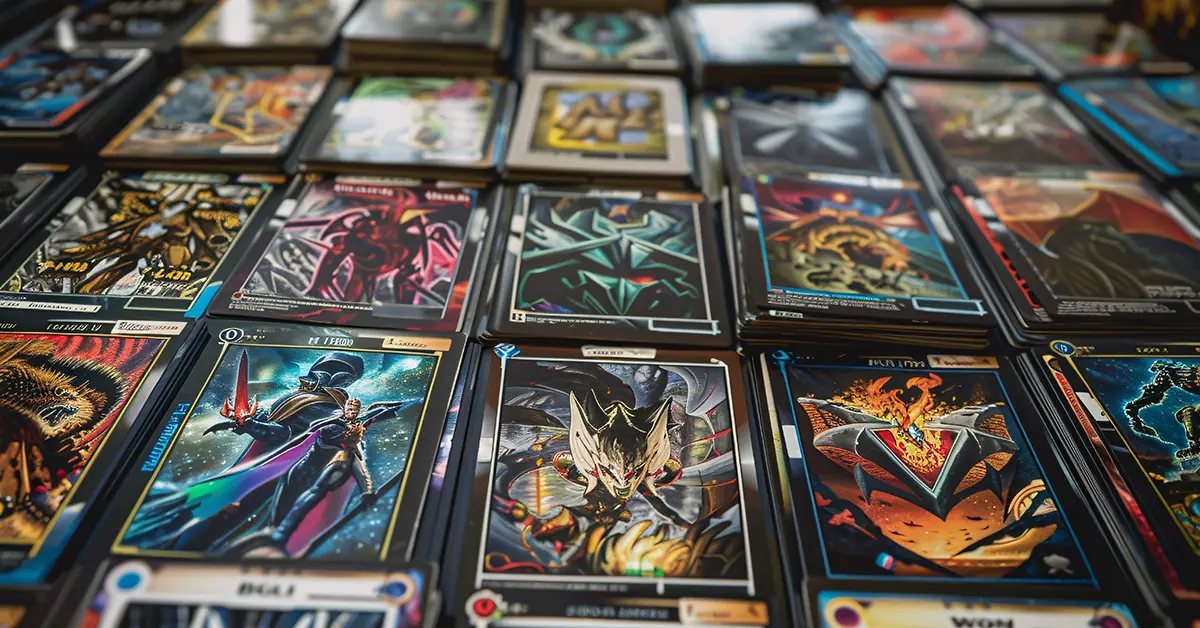
Store collectible cards in three layers: a penny sleeve around each card, a rigid holder for anything valuable, and a box or binder that keeps the stack upright and out of the light. Each layer does a different job, so skipping one leaves a gap the others cannot fill.
A penny sleeve is a thin, clear plastic sleeve that keeps hand oils and scratches off the card surface. It also stops cards from grinding against each other inside a box. Look for sleeves and binder pages labeled PVC-free, because older soft vinyl products are known to leave a sticky film on cards.
A toploader is the stiff, clear holder a sleeved card slides into from the top. Semi-rigid holders and magnetic one-touch cases do the same job for cards headed to grading or display. Rigid holders keep corners and edges from bending, so use them for any card you would hate to see creased.
The table below matches protection to the kind of card you own.
| Card Type | Protection | Where It Lives |
|---|---|---|
| Bulk and everyday cards | Penny sleeve when you can; true bulk can go in a box bare | Row box with dividers |
| Mid-value cards | Penny sleeve plus toploader | Wide-row box or locking bin |
| Favorites and display pieces | Penny sleeve plus magnetic one-touch or UV-rated holder | Display case out of direct light |
| High-value and graded cards | Graded slab or semi-rigid holder | Upright slab box or case |
| Active play decks | Double sleeves | Deck box |
What Is the Best Collectible Card Storage Box?
The best collectible card storage box matches your card size and holder type: standard row boxes for sleeved cards, wide-row boxes for toploaders, and slab boxes for graded cards. Choose the box last, after you know how each card is protected inside it.
Box makers are specific about fit. BCW, for example, says its standard row box holds sleeved cards but is not designed for toploaders or magnetic holders, and that sleeves reduce the listed capacity. Buy a size up from what the label suggests.
Cardboard row boxes are a low-cost fit for most collections. Check whether the box is labeled acid-free. If it is not, the sleeve is doing the protecting, so keep your better cards sleeved inside. Plastic bins with locking lids suit toploaders and slabs and keep dust out. In a sealed bin, add a humidity pack and a small hygrometer so moisture does not settle inside.
What About Collectible Card Game Storage for Active Decks?
Players who build and carry decks need a different setup. A deck box that holds double-sleeved cards keeps a working deck together, while spare cards stay in labeled row boxes at home. Keep the two apart so frequent shuffling never touches your best cards.
Are Binders a Safe Trading Card Organizer?
Binders are a safe trading card organizer when the pages are PVC-free, every card is sleeved, and the binder is stored so the pages stay flat. They suit browsing and set building better than they suit your most valuable cards. These habits keep a binder collection in good shape:
- Choose side-loading pages so cards cannot slide out when the binder tilts.
- Put one sleeved card in each pocket, and avoid overfilling the binder.
- Prefer a zippered or ringless binder, since rings can dent the cards closest to them.
- Store binders upright with the pages supported, and never stack them under weight. If pages sag, try a different orientation.
- Keep high-value cards on interior pages rather than the front or back.
How Should You Organize a Trading Card Collection?
Organize a trading card collection around how you use it. Set builders sort by set and card number, sports collectors by player and year, and active players by color and cost. Everyone benefits from a value tier. Most collectors blend two systems. A common pairing is binders by set for the core collection and boxes sorted by value tier for everything else.
Label every box and binder spine, and keep a simple inventory with the card name, set, number, and condition. A clear trading card organization system means less searching, and less handling means fewer fingerprints and scuffs.
How Do You Store Bulk Trading Cards?
Store bulk trading cards in standard row boxes with dividers, sorted by set first. Sorting by set lets you find a single card without digging through the whole pile. Keep bulk in its own boxes, apart from mid-value cards and hits, so a valuable card never gets filed with the commons by mistake.
Collectible Card Storage Ideas for Small Spaces
Row boxes are compact, so a growing collection usually needs shelf space rather than floor space. An interior closet shelf is a good home for boxes, because it keeps them off the floor and out of the light. Many collectors also adapt shallow-drawer cabinets for card collection storage, which works well once you measure the box width against the drawer.
A bookcase holds binders upright, and an opaque lid or a closed cabinet door keeps light off cards that are not on display. Whatever you choose, label each shelf the same way you label the boxes. A short walk through your system should tell you where any card lives.
What Temperature and Humidity Are Best for Collectible Cards?
Cards are paper, so paper conservation guidance is the best guide available: a steady, moderate temperature, moderate humidity, and as little light as you can manage. Steady matters more than perfect, because cards respond to swings as much as to the numbers.
The Northeast Document Conservation Center recommends 68°F plus or minus 4°F and 30% to 60% relative humidity for paper collections kept in spaces that people also use.
Those ranges come from paper conservation rather than testing on card stock, so treat them as a sound starting point. The same guidance notes that wide swings in temperature and humidity can harm paper collections, and that light damage is cumulative and cannot be undone.
At home, an interior closet is the easiest place to hold steady conditions. Attics, garages, and basements see the biggest seasonal swings, so they make steady conditions harder to keep. A small digital hygrometer shows your actual humidity, and a humidity pack inside a closed box adds a second layer of control.
When Should You Move a Card Collection Into a Storage Unit?
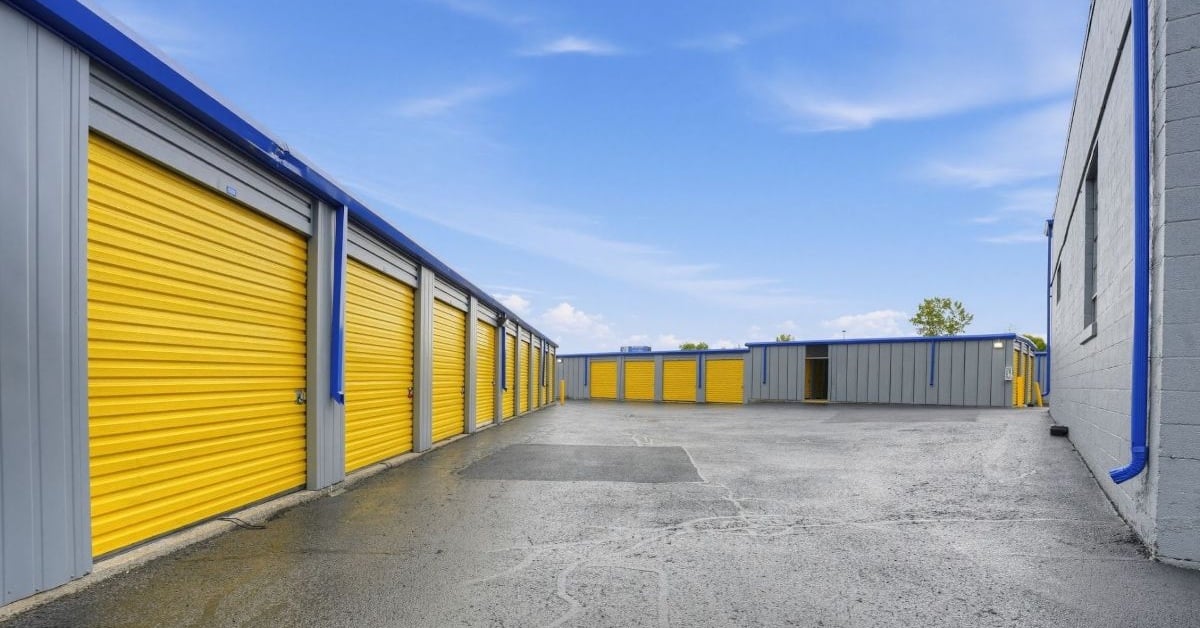
Move your collection into a climate-controlled storage unit when it outgrows your shelf space or when your home cannot hold steady conditions year-round. A unit gives your boxes and binders their own room without crowding the rest of your home.
Storage Star's climate-controlled units keep a steady temperature, typically between 55°F and 80°F , and they regulate humidity as well as temperature. Most are indoors, and sizes range from 5x5 to 10x30. Leases run month to month. Not every location offers climate control, so check what your local facility has.
Some collectors prefer the cooler end of any range. A small hygrometer on a shelf inside your unit lets you see the conditions for yourself. You can read more about how these units work in our guide to what climate-controlled storage is, and what else belongs in a climate-controlled unit. Collectors of records will find a similar approach in our vinyl record storage tips.
What Should You Ask a Storage Facility Before Renting for Cards?
Ask these questions before you reserve a unit for a card collection:
- Does this location offer climate control, and does it regulate humidity or only temperature?
- Is the unit indoors, and what is the typical temperature range?
- What are the access hours at this location?
- Which size fits the shelving you plan to use? The storage unit size guide can help.
- What insurance applies? Ask about tenant insurance options and check what your homeowner's policy covers for collectibles.
Find a climate-controlled unit near you
Give Your Card Collection a Steady Home
A good system is simple. Sleeve every card, protect the valuable ones with a rigid holder, organize by how you use the collection, and keep it all in steady, dry, dark conditions. When your shelves run out, a storage unit can carry the same system at a larger scale.
FAQs
What Is the Best Collectible Card Storage for Long-Term Protection?
The best collectible card storage layers a penny sleeve, a rigid holder for valuable cards, and a box or binder kept in a steady, dry, dark space. Use PVC-free sleeves and binder pages, and keep humidity moderate with a hygrometer and humidity packs. For a large collection, a climate-controlled storage unit adds room and steadier conditions.
Are Penny Sleeves Enough to Protect Trading Cards?
Penny sleeves are enough for everyday and bulk cards, because they guard the surface from oils and scratches. Cards that matter more to you need a rigid holder too, since a sleeve will not stop a bent corner. Slide the sleeved card into the holder rather than using the holder alone.
Can You Store Trading Cards in Plastic Bins?
Yes, a plastic bin with a locking lid works well for toploaders, slabs, and boxed cards. Add a humidity pack and a hygrometer so moisture does not settle inside a closed bin. Keep the bin in an interior spot with steady temperatures.
How Do You Store Graded Trading Cards?
Store graded slabs upright in a slab box or case so nothing presses on the label or edges. Keep them in the same steady, dry, dark conditions as the rest of your collection.
What Size Storage Unit Do I Need for a Card Collection?
Card boxes are small, so most of a collection's footprint comes from the shelving rather than the cards. Storage Star's climate-controlled units range from 5x5 to 10x30, and the storage unit size guide helps you match a size to your shelving plan.
Does Storage Star Offer Climate-Controlled Storage for Card Collections?
Climate-controlled storage is available at select Storage Star locations. Those units regulate temperature and humidity, and most are indoors. Find your nearest facility to check availability and reserve online.
Should You Keep Cards in Binders or Boxes?
Use both. Binders suit sets and favorites you want to browse, while boxes hold bulk and top-loaded cards in less space. Binders need PVC-free pages and flat, supported storage.