
Table of Contents
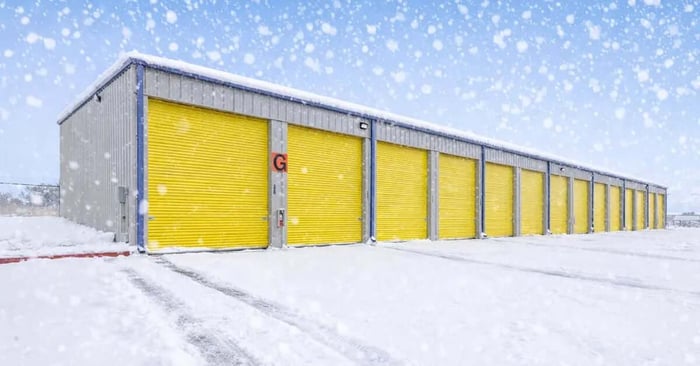
When winter settles in across Colorado Springs, locals know what to expect: sudden snowstorms, icy roads, freezing overnight temperatures, and plenty of road treatment chemicals. While winter weather is part of life along the Front Range, it can be tough on vehicles left exposed for months at a time.
That’s why many residents are turning to winter vehicle storage in Colorado Springs to protect their cars, trucks, motorcycles, and RVs until spring arrives.
Whether you’re driving less in mid-January or storing a seasonal vehicle altogether, winter car storage can help preserve your vehicle’s condition and long-term value.
Why Colorado Springs Winters Are Hard on Cars
Colorado Springs experiences a true high-altitude winter. Snowfall, freeze-thaw cycles, and road treatments all combine to create harsh conditions for vehicles.
Key winter challenges in Colorado Springs include:
Snowfall averaging 40+ inches per year, often arriving in fast-moving storms
Freezing nighttime temperatures, especially in January and February
Heavy use of road salt and de-icing chemicals on major routes like I-25, Highway 24, and Powers Boulevard
Freeze-thaw cycles that contribute to potholes, undercarriage wear, and suspension stress
Even vehicles that aren’t driven daily can suffer from battery drain, corrosion, and weather-related wear when left outside all winter.
Colorado Springs Winter Vehicle Hazard Checklist
To recap, winter vehicle risks in Colorado Springs include:
Snow and ice accumulation
Road salt and liquid de-icers on I-25 and city roads
Freezing temperatures that can weaken batteries
Corrosion from moisture and chemicals
Potholes caused by repeated freeze-thaw cycles
Winter storage helps reduce these risks by keeping your vehicle out of the elements during the coldest months of the year.
Indoor vs. Outdoor Car Storage Options in Colorado Springs
Not all vehicle storage options offer the same level of protection. Choosing between indoor and outdoor storage depends on your vehicle type, usage, and budget.
Indoor Vehicle Storage
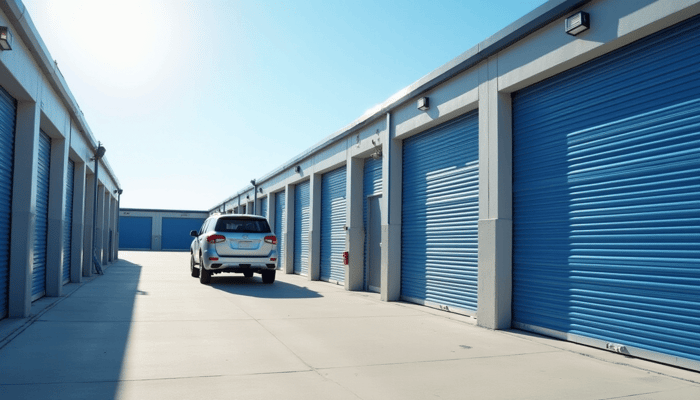
Indoor automobile storage provides the highest level of protection during a Colorado Springs winter. Vehicles are shielded from snow, ice, wind, and chemical exposure, while indoor environments help minimize temperature swings.
Indoor storage is ideal for:
Convertibles
Vehicles you won’t need again until spring
Outdoor Vehicle Storage
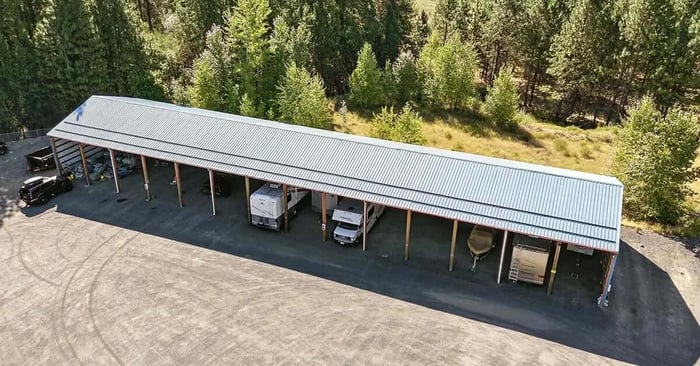
Outdoor vehicle storage is a more affordable option and works well if you need to free up driveway or street parking. While vehicles remain exposed to winter weather, outdoor storage still offers a designated, secure place to park.
Using a quality winter car cover can help reduce snow buildup and UV exposure, though it won’t eliminate salt or moisture risks.
Comparison: Indoor v. Outdoor Car Storage
Here are the differences at a glance:
| Feature | Indoor Automobile Storage | Car Storage Outside |
| Weather Protection | Full protection from snow, hail, and UV rays | Exposed to the weather, even if covered |
| Climate Control | Available in select units | Not available |
| Security | Gated, enclosed behind a locked unit door, 24/7 monitoring | Gated lot, 24/7 video monitoring, exposed to potential vandalism |
| Cost | Higher monthly rate | Lower monthly rate |
| Best For | Classic cars, motorcycles, convertibles, RVs | Secondary vehicles, budget-friendly storage, very short-term vehicle storage |
Vehicles that Benefit Most from Winter Storage
Winter storage makes sense for many vehicle types commonly owned in the Colorado Springs area:
Classic cars – Protect paint, chrome, and interiors from salt and moisture
Motorcycles – Cold temperatures can damage batteries, seals, and metal components
Convertibles – Soft tops and interiors wear faster in freezing conditions
RVs and trailers – Many residents store RVs after fall trips into the mountains or nearby parks
For families and outdoor enthusiasts, winter storage keeps seasonal vehicles protected and ready for spring travel.
How to Prepare Your Vehicle for Winter Storage
Whether you choose indoor or outdoor vehicle storage, proper preparation helps prevent winter damage:
Clean thoroughly – Remove dirt, salt, and debris to reduce corrosion
Check fluids – Top off antifreeze, oil, and fuel
Battery care – Disconnect the battery or use a trickle charger for long-term storage
Use the right cover – Breathable covers indoors; weather-resistant covers outdoors
A little preparation now can help avoid costly repairs later.
Finding Winter Vehicle Storage in Colorado Springs
If you’re searching for winter vehicle storage in Colorado Springs, Storage Star at 1935 Aerotech Drive offers secure, flexible storage options designed to protect cars, motorcycles, RVs, and trailers throughout the winter months.
Features at Storage Star Aerotech include:
Gated access with secure entry
Video surveillance
Drive-up accessibility
Indoor vehicle storage options
Outdoor parking spaces
Month-to-month rentals for seasonal flexibility
Winter availability can fill quickly, especially after the first major snowfalls of January.
Protect Your Vehicle All Winter Long
Colorado Springs winters can be tough on vehicles, but winter storage offers a smart way to reduce exposure to snow, salt, and freezing temperatures. With the right storage solution, your vehicle will be protected now — and ready to hit the road when warmer weather returns.
If you’re planning to store a vehicle this winter, mid-January is an ideal time to secure storage as the coldest weeks of the season set in.
FAQs
Is winter vehicle storage worth it in Colorado Springs?
Yes. Colorado Springs winters bring snow, freezing temperatures, and road salt that can accelerate corrosion, drain batteries, and damage paint. Winter vehicle storage helps reduce exposure to these conditions, especially if you won’t be driving regularly.
What types of vehicles benefit most from winter storage?
Winter storage is especially beneficial for classic cars, motorcycles, convertibles, RVs, trailers, and secondary vehicles that aren’t driven often during winter months. These vehicles are more vulnerable to cold, moisture, and road chemicals.
Is indoor vehicle storage better than outdoor storage in winter?
Indoor vehicle storage offers the highest level of protection during a Colorado Springs winter by shielding vehicles from snow, ice, wind, and temperature swings. Outdoor storage is more affordable but still exposes vehicles to weather and de-icing chemicals.
Does road salt damage vehicles during Colorado Springs winters?
Yes. Road salt and liquid de-icers used on roads like I-25 and Highway 24 can cause corrosion on undercarriages, brake lines, and suspension components, especially when vehicles are exposed for long periods.
When should I put my car into winter storage?
Mid-January is a common time to place vehicles into winter storage, especially if snowfall has increased and temperatures remain consistently cold. Many drivers store vehicles once they know they won’t be driving regularly until spring.
Can I store a vehicle short term during the winter?
Many storage facilities offer month-to-month rentals, making winter vehicle storage flexible. Short-term storage works well for seasonal vehicles or temporary parking needs during snow-heavy periods.
What’s the difference between winter vehicle storage and long-term storage?
Winter vehicle storage is typically seasonal and focused on protecting vehicles from cold-weather damage, while long-term storage may involve additional preparation for extended inactivity beyond one season.