
Table of Contents
When comparing storage facility options, you’ll encounter terms such as climate control, heated storage, and temperature regulation. All of these phrases are enough to make your head spin. But if you’re storing items that can’t handle the cold, knowing the difference could save you serious money and damage.
Discover what heated storage solutions are and how they compare to climate-controlled units, as well as how to know which option is right for your property, so you can protect it without overpaying.
Find the right storage unit for your needs. Explore Storage Star’s heated and climate-controlled storage options near you.
What Is Heated Storage?
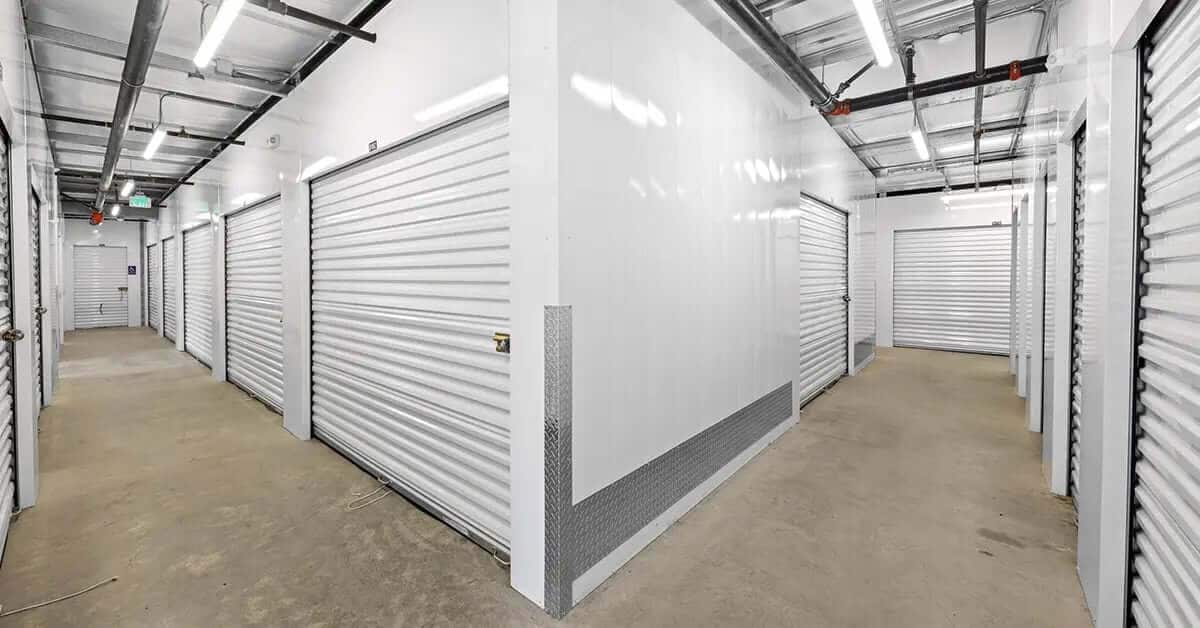
Heated storage units maintain temperatures above freezing, typically between 45–65°F, depending on the facility. They protect items from extreme winter temperatures, making them ideal for sensitive belongings in cold climates.
These units are most common in cold-weather markets where winter temperatures regularly dip below freezing.
Important things to know about heated storage:
Protects belongings from freezing temperatures
Ideal for winter protection in cold climates
Typically does not include air conditioning in summer
Does not always control humidity unless specifically stated
Some heated units may offer moisture management, but this varies by property. Always confirm with the facility before storing highly sensitive items.
Does Climate-Controlled Mean Heated Storage? (Nope!)
A climate- or temperature-controlled storage unit is not the same as a heated storage unit.
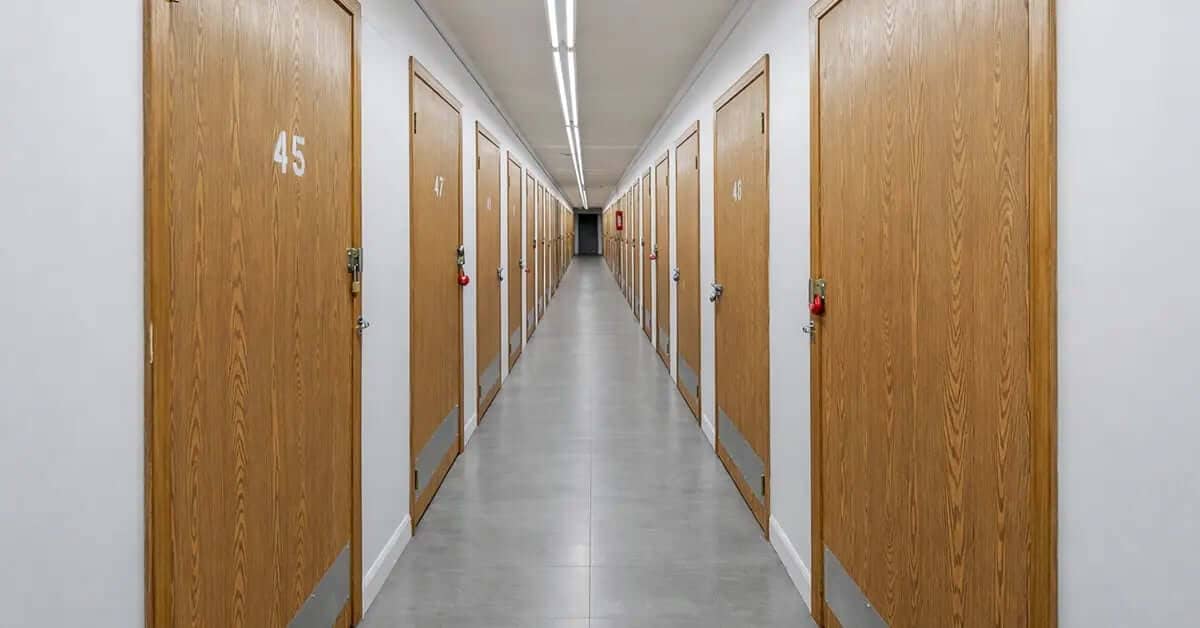
Climate-controlled storage generally refers to units that are kept within a stable temperature range year-round, usually somewhere between 55–80°F. To maintain that consistency, facilities often use both heating and cooling systems as needed.
Many, but not all, climate-controlled units manage humidity. So, while climate-controlled units typically provide protection from both winter cold and summer heat, humidity control isn’t guaranteed unless the facility specifically advertises it.
Learn more about what a climate-controlled unit is.
Bottom line? Heated storage focuses on preventing freezing in the winter, while climate-controlled storage attempts to maintain steady temperatures year-round.
Feature | Climate-Controlled | Heated Storage |
Temperature Regulation | Year-round | Winter |
Cooling in Summer | Usually | No |
Heating in Winter | Yes | Yes |
Humidity Control | Varies by Facility | Sometimes |
Ideal for Extreme Cold | Yes | Yes |
Cost | Moderate | Often higher |
Not sure what kind of unit you need? Check out our climate-controlled storage guide, or contact your local Storage Star team!
Find a Storage Star Self-Storage Near You
When Do You Actually Need Heated Storage?
Heated storage units are worth it if:
You live in a region where temperatures regularly drop well below freezing
You’re storing liquids, such as fuel, cleaning supplies, or paint
You’re storing vehicles and want to avoid the hassle of winterizing
While heated storage reduces the risk to your valuables, such as boats and vehicles, you will still need to do some basic cold-weather prep. Find your local Storage Star facility to ask any questions about winterizing, climate-controlled vs. heated storage, or how to store a car long-term.
How Much Does a Heated Storage Unit Cost?
The cost of a heated storage unit typically ranges from $100 to $300 per month or more. However, prices vary widely based on your location and the size of the unit. Expect to pay a premium for vehicle storage, drive-up units, and large unit sizes.
While a heated storage unit will typically cost more than a standard or climate-controlled unit, consider it an investment that protects your property from damage.
To save money, look for first-month promos and web-exclusive discounts. You should also verify that the facility offers flexibility, such as month-to-month rental options rather than long-term contracts.
Use Storage Star’s online directory to compare heated storage prices near you.
What to Store in Heated vs. Climate-Controlled vs. Standard Units
Here’s a useful comparison table to help you decide which type of unit you need based on what you want to store.
Item Type | Standard Unit | Climate-Controlled | Heated Storage |
Books & Clothes | ✅ | Optional | Optional |
Wood Furniture | 🔺 Risky | ✅ | ✅ |
Electronics | 🔺 Risky | ✅ | ✅ |
RVs / Boats (winter) | 🔺Risky | Indoors Only, depends on the length of storage | ✅ |
Art & Musical Instruments | 🔺Risky | ✅ | ✅ |
Liquids / Paint / Fuel | ❌ | 🔺Risky | ✅ |
Heated Storage at Storage Star
Storage Star offers heated storage units in select cold-weather markets to help our customers protect their property from extreme temperature swings. Our facilities feature:
24/7 surveillance and gated access
Indoor vehicle storage options
Month-to-month contracts (no long-term commitments)
Friendly on-site staff
Online reservations
Storage Star makes it easy to find units and compare web-only rates that maximize your savings. Store property on your terms with Storage Star. Find heated and climate-controlled storage units near you.
Find a Storage Star Self-Storage Near You
FAQs
What’s the Difference Between Heated and Climate-Controlled Storage?
Heated storage keeps units above freezing during winter months. Climate-controlled units aim to maintain consistent temperatures year-round and may also regulate humidity, depending on the facility.
Do I Need to Winterize My Boat in Heated Storage?
Yes, you will still need to winterize your boat. Using a heated storage unit reduces the risk of freezing, but it does not eliminate the need for proper cold-weather prep.
Is Heated Storage Available for Cars or Motorcycles?
At select Storage Star locations, yes. Availability varies by market, so use our storage finder to contact the facility directly.
What Items Don’t Need Heated Storage?
Clothing, shoes, books, and inexpensive items don’t need to be stored in a heated unit. Some examples of items that aren’t climate sensitive include metal tools, sealed containers, and plastic bins.
Which storage locations have heated self-storage units?
We have heated storage units in Anchorage, but availability varies by location. Many Storage Star facilities offer climate-controlled units. For the most accurate information, find your local self-storage facility.
Does heated storage protect against mildew or mold?
Heated storage helps reduce the risk of moisture-related issues by keeping temperatures more stable, especially during colder months. However, heated units do not always control humidity unless explicitly stated. If you’re storing items sensitive to moisture, we recommend speaking with your local Storage Star team to confirm whether humidity control is available.
What if I live in an area with extreme temperature fluctuations?
If your area experiences hot summers, cold winters, or rapid temperature changes, a climate-controlled indoor storage unit is typically the best option. These units are designed to maintain a consistent temperature year-round, helping protect items like furniture, electronics, documents, and other temperature-sensitive belongings.