
Table of Contents
- Anchorage Snapshot for New Residents
- Why Summer Is the Best Time to Move to Anchorage
- What New Residents Should Know Before Moving to Anchorage
- Popular Things to Do in Anchorage During Summer
- What is the Cost of Living in Anchorage, AK?
- Best Anchorage Neighborhoods for New Residents
- Tips for Planning a Smoother Move to Anchorage
- Why Storage Helps During an Anchorage Move
- Frequently Asked Questions About Moving to Anchorage
- Is summer the best time to move to Anchorage?
- What is the cost of living like in Anchorage?
- Do I need heated storage in Anchorage?
- What are the best neighborhoods for new residents in Anchorage?
- How far is Wasilla from Anchorage?
- Is Anchorage difficult to adjust to for new residents?
- What should I prepare for before an Anchorage winter?
- Is Anchorage a good city for outdoor activities?
- Make Your Anchorage Move Easier
- FAQs
Moving to Anchorage during the summer is one of the easiest ways to transition into life in Alaska. Longer daylight hours, milder temperatures, and more housing availability make summer peak moving season for new residents relocating for work, military assignments, school, or a lifestyle change.
Whether you’re moving from another part of Alaska or relocating from the Lower 48, planning ahead can make your Anchorage move significantly smoother. From understanding local neighborhoods to preparing for Alaska’s unique climate and outdoor lifestyle, here’s what to know before making the move.
Anchorage Snapshot for New Residents
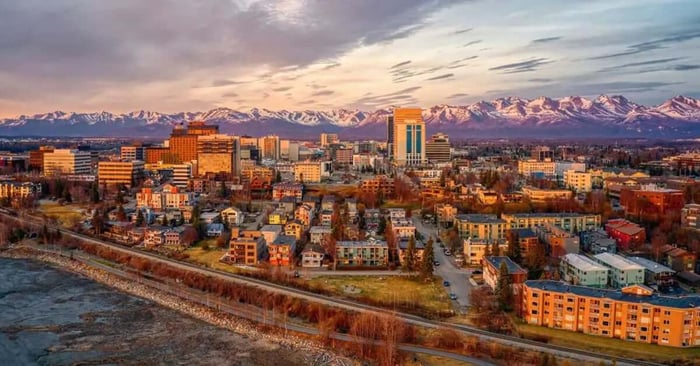
Anchorage is Alaska’s largest city and home to nearly 40% of the state’s population, offering a mix of urban amenities, outdoor recreation, and access to some of Alaska’s most scenic landscapes.
For many new residents, Anchorage feels different from most U.S. cities because it combines everyday conveniences like restaurants, shopping, healthcare, and entertainment with easy access to hiking trails, mountains, wildlife, and outdoor activities.
Category | What to Know About Anchorage |
|---|---|
| Population | Anchorage has a population of roughly 290,000 residents, making it Alaska’s largest city |
| Job Market | Major industries include healthcare, transportation, tourism, government, military, oil and gas, and logistics |
| State Income Tax | Alaska does not have a state income tax, which can be a major benefit for new residents |
| Sales Tax | Anchorage does not have a local sales tax |
| Summer Temperatures | Average summer temperatures typically range from the mid-50s to upper 60s degrees Fahrenheit |
| Winter Temperatures | Winter temperatures often range from the teens to low 30s degrees Fahrenheit, with snowfall common throughout the season |
| Daylight | Anchorage experiences extremely long summer days and very short winter daylight hours |
| Transportation | Most residents rely heavily on driving, especially during winter months |
| Outdoor Access | Hiking trails, mountains, fishing, skiing, and wildlife viewing are all easily accessible from the city |
| Lifestyle | Anchorage combines city conveniences with an outdoor-focused lifestyle that is unique to Alaska |
Many residents moving to Anchorage quickly discover that organization and extra space become especially important throughout the year. Seasonal gear, winter equipment, camping supplies, bikes, skis, and outdoor clothing can take up significant room in apartments, garages, and homes.
With multiple Storage Star locations across Anchorage, residents can find convenient storage options throughout the city for moves, downsizing, seasonal transitions, or organizing outdoor gear.
Why Summer Is the Best Time to Move to Anchorage
Summer offers the most convenient moving conditions in Anchorage. Roads are clearer, the weather is more predictable, and the city is fully active during its busiest season.
Many leases, home purchases, and relocations happen between May and August, making it easier to find housing and schedule moving services during this time of year.
Benefits of moving during the summer include:
Easier driving and transportation conditions
Longer daylight hours for unpacking and errands
Increased apartment and rental availability
More time to prepare before winter arrives
Better conditions for transporting furniture and belongings
Summer is also one of the best times to get familiar with Anchorage neighborhoods, local businesses, and outdoor recreation before colder weather sets in later in the year.
What New Residents Should Know Before Moving to Anchorage
Anchorage is different from many U.S. cities in both climate and lifestyle, and understanding a few local realities ahead of time can make the adjustment easier.
Weather: Long Summer Days & Long Winters
Preparing for the weather in the state of Alaska differs from that in the continental US.
Sunny Summer Days
One of the biggest surprises for new residents is the amount of daylight during the summer months. Around the summer solstice, Anchorage experiences nearly 19 hours of daylight each day.
Many new residents quickly invest in blackout curtains to help adjust to the extended daylight.
Mild Temperatures and Rain
Summer temperatures are generally cooler than many parts of the continental U.S., with average temperatures ranging from the mid-50s to upper 60s. Rain is common throughout the season, so waterproof bins and weather-resistant packing materials are helpful during a move.
Snowy, Cold Winters
Even if you move during the summer, it’s helpful to start preparing for winter early. Anchorage winters bring snow, icy roads, colder temperatures, and shorter daylight hours compared to the summer season.
Many residents prepare by winterizing vehicles, purchasing snow tires, organizing cold-weather gear, and making space for seasonal equipment before temperatures begin to drop.
New residents are often surprised by how much space winter gear can take up, especially in apartments or smaller homes. Jackets, boots, skis, snowboards, seasonal tires, and outdoor equipment can quickly create clutter without additional storage space.
Planning ahead during the summer months can make the transition into Anchorage’s winter season much easier and less stressful.
Driving Is Important
Anchorage is spread out, and most residents rely heavily on driving to get around the city. Major roads like the Seward Highway, Minnesota Drive, Northern Lights Boulevard, and the Glenn Highway connect many of Anchorage’s neighborhoods and commercial areas.
Construction season is also common during summer, so extra travel time is often necessary.
Popular Things to Do in Anchorage During Summer
One of the biggest advantages of moving to Anchorage during the summer is getting to experience the city at its most active time of year. Long daylight hours and mild temperatures make it easier for new residents to explore local neighborhoods, outdoor recreation, and some of Alaska’s most popular attractions.
Whether you enjoy hiking, fishing, local restaurants, or scenic drives, Anchorage offers a mix of city amenities and easy access to nature.
Popular summer activities in Anchorage include:
Hiking Flattop Mountain
Exploring the Tony Knowles Coastal Trail
Visiting local farmers markets and summer festivals
Wildlife viewing throughout Anchorage and nearby areas
Fishing trips and glacier tours
Day trips to Girdwood and Turnagain Arm
Biking, kayaking, and paddleboarding
Visiting local breweries, coffee shops, and restaurants
Summer is also a great time for new residents to familiarize themselves with different parts of the city before winter arrives. Many locals recommend spending the summer months exploring neighborhoods, finding favorite outdoor spots, and preparing gear and vehicles for colder weather later in the year.
Exploring Beyond Anchorage
One of the advantages of living in Anchorage is the access to other popular destinations and communities in Alaska. Many residents use Anchorage as a home base for exploring the state during the summer months.
Some popular destinations to explore include:
Alaska Destination | Distance from Anchorage | What It’s Known For |
|---|---|---|
| Wasilla | Approximately 45 miles north of Anchorage | Access to the Mat-Su Valley, hiking, lakes, and outdoor recreation |
| Valdez | Approximately 300 miles southeast of Anchorage | Fishing, glaciers, mountain scenery, and coastal access |
| Ketchikan | Located in Southeast Alaska and accessible primarily by plane or ferry from Anchorage | Rainforest scenery, waterfront culture, fishing, and cruise tourism |
What is the Cost of Living in Anchorage, AK?
Anchorage generally has a higher cost of living than many cities in the Lower 48, particularly for groceries, utilities, and transportation, with sources citing a 25.4% higher overall cost of living versus the national average. However, many residents feel the tradeoff comes from access to outdoor recreation, scenic surroundings, and Alaska’s unique lifestyle.
Here are some common expenses new residents should plan for when moving to Anchorage:
Expense Category | Average Cost in Anchorage | Helpful Moving Tips |
| Housing | Average one-bedroom apartment rents in Anchorage are typically around $1,200–$1,400+ per month, depending on neighborhood and amenities | Research neighborhoods early before peak summer moving season |
| Groceries | Grocery costs in Anchorage are generally 24–26% higher than the national average | Budget extra for pantry staples and household essentials |
| Utilities | Monthly utility costs can range from approximately $245–$400+ depending on season and heating usage | Ask landlords or property managers about average winter utility costs |
| Transportation | Gas prices and vehicle maintenance costs are often higher than many U.S. cities | Prepare for snow tires, winter driving, and seasonal vehicle maintenance |
| Outdoor Gear | Winter clothing, hiking gear, skis, fishing equipment, and camping supplies can quickly add up for new residents | Organizing seasonal gear early can help maximize living space |
| Storage | Storage costs vary depending on unit size, location, and features like heated storage or drive-up access | Heated storage can help protect temperature-sensitive belongings during colder months |
Best Anchorage Neighborhoods for New Residents
Anchorage offers a variety of neighborhoods depending on your lifestyle, commute, and housing preferences.
Midtown Anchorage
Midtown is one of the most centrally located areas in Anchorage, offering convenient access to shopping, restaurants, offices, and major roads. Many renters and professionals choose Midtown because of its accessibility and central location.
Midtown neighbors looking for extra storage space during a move can also find heated storage options nearby along Arctic Boulevard and the surrounding Midtown corridors.
South Anchorage
South Anchorage is known for larger residential neighborhoods, outdoor access, and proximity to hiking trails and parks. It is popular with families and residents looking for quieter suburban areas.
Downtown Anchorage
Downtown Anchorage offers a mix of restaurants, local shops, breweries, office spaces, and waterfront access in one of the city’s most active areas. Residents living downtown enjoy convenient access to trails, summer festivals, museums, and popular spots like the Tony Knowles Coastal Trail and Ship Creek.
The area is especially popular with professionals, residents looking for a more walkable lifestyle, and those who want to stay close to Anchorage’s dining, entertainment, and business districts.
Spenard
Spenard is known for its locally owned restaurants, coffee shops, breweries, and longtime Anchorage character. The neighborhood has a more laid-back, community-driven feel and is popular for its mix of local businesses, live music, and easy access to both Midtown Anchorage and the airport.
Many people are drawn to Spenard for its unique personality, established neighborhoods, and proximity to outdoor recreation, trails, and nearby parks.
Turnagain
Turnagain is known for its scenic coastal views, access to outdoor recreation, and quieter residential feel. The neighborhood sits along the Cook Inlet shoreline and offers convenient access to the Tony Knowles Coastal Trail, Kincaid Park, and nearby walking and biking trails.
Residents also appreciate Turnagain’s proximity to Ted Stevens Anchorage International Airport, Downtown Anchorage, and Midtown, making it a convenient location for commuters, travelers, and outdoor enthusiasts alike.
Tips for Planning a Smoother Move to Anchorage
Preparing early can make moving to Anchorage much easier, especially during the busy summer season.
Some of our top helpful moving tips include:
Reserve movers or rental trucks early
Prepare for wet weather during loading and unloading
Ship vehicles ahead of time if relocating from out of state
Separate winter clothing and cold-weather gear before packing
Label storage bins clearly for easier unpacking
Expect longer shipping and delivery timelines for some items
Use temporary storage if move-in dates do not align
The summer months are a great time to organize belongings before winter arrives later in the year.
Why Storage Helps During an Anchorage Move
Moving to Anchorage often involves many moving parts, especially when apartment availability, travel schedules, work relocations, or downsizing timelines don’t perfectly align. Having more storage space during the process can make unpacking and getting settled much more manageable.
Many new Anchorage residents use storage while:
- Waiting for a lease or home closing
- Downsizing into a smaller apartment or home
- Relocating for military, seasonal, or temporary work
- Making room for outdoor and winter gear
- Storing business supplies or inventory
- Organizing household items during a move
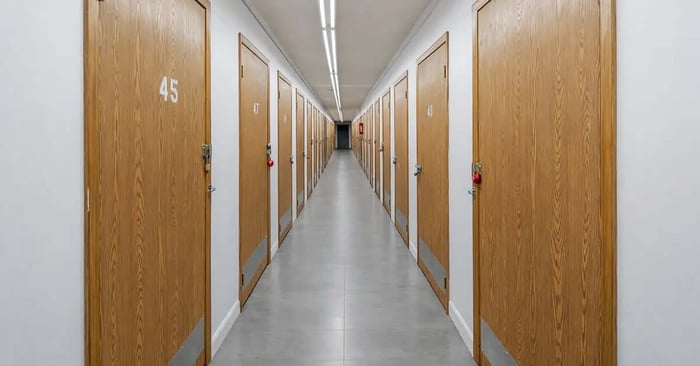
Because Anchorage experiences long winters and cold temperatures year-round, heated storage is also a popular option for temperature-sensitive belongings, seasonal items, furniture, and electronics.
Items commonly placed in storage during a move include:
- Furniture and household overflow
- Seasonal clothing and winter gear
- Camping, fishing, and outdoor equipment
- Business inventory and supplies
- Recreational equipment and tools
Having extra space available during a move can help reduce clutter, keep belongings organized, and make the transition into Anchorage life feel a little easier.
Frequently Asked Questions About Moving to Anchorage
Is summer the best time to move to Anchorage?
For many residents, summer is considered the easiest time to move to Anchorage because of longer daylight hours, milder weather, and increased housing availability. Summer also gives new residents time to prepare for winter conditions before colder temperatures arrive.
What is the cost of living like in Anchorage?
Anchorage generally has a higher cost of living than many cities in the Lower 48, especially for groceries, utilities, and transportation. However, many residents appreciate the combination of outdoor recreation, scenic surroundings, and city amenities.
Do I need heated storage in Anchorage?
Heated storage is popular in Anchorage because it can help protect temperature-sensitive belongings during colder months. Many residents use heated storage for furniture, electronics, seasonal clothing, documents, and outdoor equipment.
What are the best neighborhoods for new residents in Anchorage?
Popular Anchorage neighborhoods for new residents include Midtown Anchorage, Downtown Anchorage, Spenard, Turnagain, and South Anchorage. The best area often depends on commute, lifestyle, housing preferences, and proximity to outdoor recreation.
How far is Wasilla from Anchorage?
Wasilla is located approximately 45 miles north of Anchorage and is a common destination for commuting, outdoor recreation, and access to the Mat-Su Valley.
Is Anchorage difficult to adjust to for new residents?
Anchorage can feel very different for residents relocating from warmer climates, especially because of winter weather and seasonal daylight changes. Many new residents adjust quickly by preparing early for winter driving, outdoor gear, and seasonal conditions.
What should I prepare for before an Anchorage winter?
Many residents prepare for winter by purchasing snow tires, winter clothing, winter emergency supplies, and organizing space for seasonal gear and outdoor equipment before colder temperatures arrive.
Is Anchorage a good city for outdoor activities?
Anchorage offers easy access to hiking, fishing, skiing, biking, wildlife viewing, and other outdoor activities throughout the year. Many residents choose Anchorage because it combines city conveniences with Alaska’s outdoor lifestyle.
Make Your Anchorage Move Easier
Relocating to Anchorage is a major move, but planning ahead can help make the process much smoother. Between the long summer days, vibrant neighborhoods, and easy access to Alaska’s outdoor lifestyle, summer is one of the best times to settle into the city.
Temporary storage during a move, extra space for outdoor equipment, and room for seasonal items can help keep your home organized as you settle into Anchorage.
With Storage Star locations in Anchorage on Arctic Boulevard, Old Seward Highway, and Boniface Parkway, residents can find convenient storage access near Midtown Anchorage, East Anchorage, South Anchorage, and surrounding neighborhoods across the city.
FAQs
What is the best time of year to move to Anchorage?
Summer is typically the easiest time to move to Anchorage because of longer daylight hours, milder weather, and increased housing availability throughout the city.
What is the cost of living like in Anchorage?
Anchorage generally has a higher cost of living than many cities in the Lower 48, especially for groceries, utilities, and transportation. Housing costs can vary depending on neighborhood and proximity to Downtown Anchorage or Midtown.
Do I need heated storage in Anchorage?
Many Anchorage residents choose heated storage for temperature-sensitive belongings, seasonal gear, furniture, electronics, and household items during colder months.
What are some of the best neighborhoods in Anchorage for new residents?
Popular neighborhoods for new residents include Midtown Anchorage, Downtown Anchorage, Spenard, Turnagain, and South Anchorage depending on commute, lifestyle, and outdoor recreation preferences.
What should I prepare for before winter in Anchorage?
Many new residents prepare for winter by purchasing snow tires, organizing winter clothing and gear, winterizing vehicles, and preparing for icy road conditions and shorter daylight hours.
Is Anchorage a good city for outdoor activities?
Anchorage offers easy access to hiking, fishing, skiing, biking, wildlife viewing, and year-round outdoor recreation throughout Alaska.
Are there Storage Star locations throughout Anchorage?
Yes. Storage Star offers multiple storage locations throughout Anchorage, including locations on Arctic Boulevard, Old Seward Highway, and Boniface Parkway.