
Table of Contents
- Where Is West Ridge in Chicago?
- Little Indian on Devon Avenue. Photo by Ram1751, via Wikimedia Commons (CC BY-SA 4.0)
- What It’s Like Living in West Ridge
- Cost of Living in West Ridge Chicago
- Apartments & Housing in West Ridge
- Who West Ridge Is Best For
- Moving to West Ridge: What to Plan For
- Storage Options Near West Ridge & McCormick Blvd
- Is West Ridge a Good Place to Live?
- Image Credits
- FAQs
If you’re planning a move to Chicago’s North Side, West Ridge is one of the most overlooked neighborhoods for renters and families looking for more space and affordability. Located just west of Rogers Park and north of Lincoln Square, West Ridge offers a quieter residential feel while remaining connected to the city.
Whether you’re relocating for work, school, or simply looking for more space, this guide covers what to expect when moving to West Ridge, including options for self-storage near McCormick Boulevard. If you’re still exploring different neighborhoods, you can also read our guide to moving to Chicago’s Far North Side for a broader look at nearby areas.
Where Is West Ridge in Chicago?
Rogers Park to the east, a lakefront neighborhood known for its apartments, student population, and access to Lake Michigan - you can learn more in our guide to moving to Rogers Park Chicago.
Lincolnwood to the west
Albany Park to the south, an affordable and diverse neighborhood - you can learn more in our guide to moving to Albany Park Chicago.
As part of Chicago's Far North Side, West Ridge is one of several neighborhoods included in our broader guide to Chicago's North Side neighborhoods. The neighborhood is centered around a mix of local businesses, restaurants, and everyday conveniences that reflect its diverse community.
With access to major roads like McCormick Boulevard and Peterson Avenue, commuting to other parts of Chicago or nearby suburbs is relatively convenient.
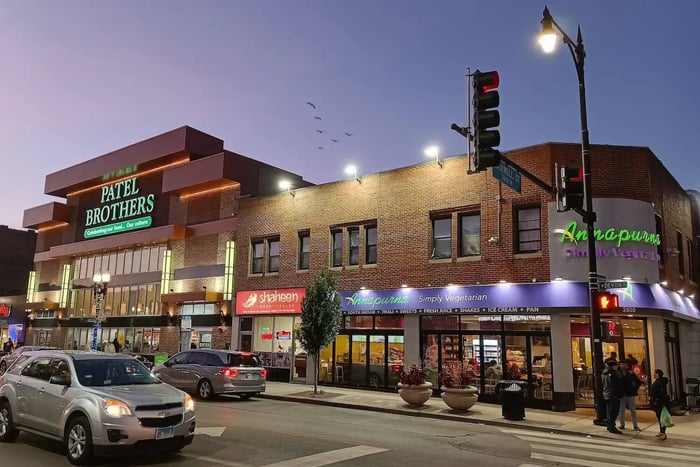 Little Indian on Devon Avenue. Photo by Ram1751, via Wikimedia Commons (CC BY-SA 4.0)
Little Indian on Devon Avenue. Photo by Ram1751, via Wikimedia Commons (CC BY-SA 4.0)What It’s Like Living in West Ridge
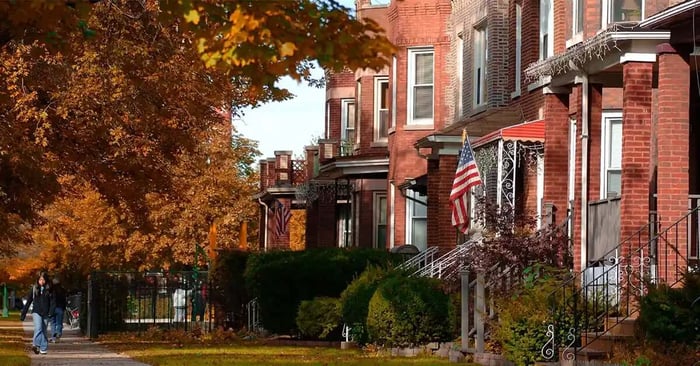
West Ridge is known for its diverse community, residential streets, and larger living spaces compared to denser parts of Chicago. The neighborhood has a strong local identity, shaped by longtime residents and a wide mix of cultures and businesses.
Key characteristics:
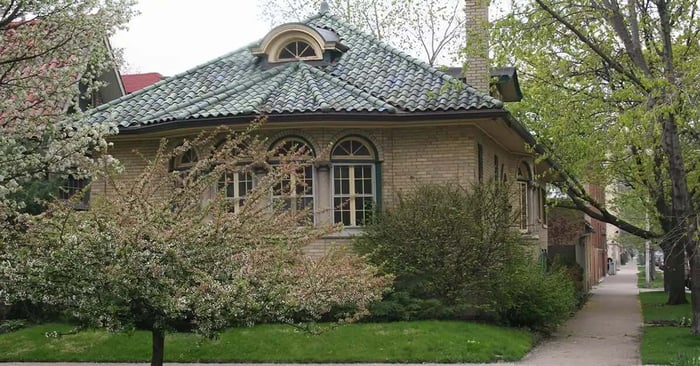
Tree-lined streets with classic Chicago two-flats and bungalows
A mix of long-term residents, families, and renters
A quieter, more neighborhood-focused atmosphere
West Ridge is centered around Devon Avenue, one of Chicago’s most well-known cultural corridors, featuring a wide variety of South Asian, Middle Eastern, and Eastern European restaurants, grocery stores, and local shops.
Residents also have access to nearby green spaces, including Warren Park, which offers walking paths, sports fields, and a golf course, and West Ridge Nature Park, a quieter spot with trails and natural landscapes.
While West Ridge doesn’t have the same nightlife as downtown neighborhoods, it offers a strong sense of community, local businesses, and everyday conveniences — making it a practical place to live for those who value space and neighborhood character.
The neighborhood's accessibility to nearby areas like Lincolnwood and Rogers Park also makes it easy to explore additional dining, shopping, and lakefront access just a short drive away.
Cost of Living in West Ridge Chicago
One of the biggest reasons people choose to move to West Ridge is its relative affordability compared to other North Side neighborhoods, while still offering larger apartments and more residential space.
Rental prices in West Ridge are generally lower than in areas like Lakeview or Lincoln Park, making it a practical option for renters who want more space without paying premium downtown prices.
Average Rent in West Ridge Chicago
Apartment Type | Average Monthly Rent |
|---|---|
| Studio | $900 – $1,200 |
| 1-Bedroom | $1,100 – $1,500 |
| 2-Bedroom | $1,400 – $1,900 |
Estimated rental ranges based on recent listings and market data from sources such as Zillow, Apartments.com, and RentCafe (2025–2026). Actual prices may vary based on unit size, condition, and location.
Compared to more expensive North Side neighborhoods, where one-bedroom apartments can exceed $2,000 per month, West Ridge provides a more budget-friendly alternative without sacrificing access to the city.
Because many apartments in West Ridge offer more square footage, residents often stay longer and accumulate more belongings over time. As a result, it’s common for renters and homeowners alike to look for additional space for seasonal items, furniture, or overflow storage, especially in multi-bedroom units or shared households.
Apartments & Housing in West Ridge
Housing in West Ridge tends to offer more space and variety than many other Chicago neighborhoods, making it appealing for both renters and homebuyers.
Common housing types:
Courtyard apartment buildings
Two-flats and three-flats
Single-family homes and Chicago bungalows
For buyers, West Ridge remains one of the more affordable North Side neighborhoods. Median home prices typically range from the mid-$200,000s to low-$300,000s, depending on property type, size, and condition.
Compared to higher-priced neighborhoods closer to downtown, West Ridge offers an opportunity to purchase larger homes at a more accessible price point.
Because many units — whether rented or owned — offer more square footage, residents often stay longer and accumulate more belongings over time. As a result, it’s common for households to look for additional space for seasonal items, furniture, or long-term storage, especially in multi-bedroom homes or shared living situations.
Who West Ridge Is Best For
Choosing the right neighborhood depends on your lifestyle, budget, and space needs. West Ridge stands out on Chicago’s North Side for its balance of affordability, residential character, and larger housing options.
West Ridge is a good fit for:
Families looking for more space
Many homes and apartments in West Ridge offer multiple bedrooms, larger layouts, and quieter streets compared to denser neighborhoods. This makes it easier for families to find comfortable living space without moving far outside the city.
Renters priced out of trendier North Side neighborhoods
Compared to areas like Lakeview or Lincoln Park, West Ridge typically offers lower rent prices and more square footage. Renters can often upgrade to a larger apartment or shared space while staying within budget.
Residents who prefer a quieter, residential setting
West Ridge has a more laid-back, neighborhood feel with tree-lined streets and less congestion than busier parts of Chicago. It’s a good fit for those who want city access without the constant activity of downtown areas.
Multi-generational households
With its mix of two-flats, multi-unit buildings, and single-family homes, West Ridge is well-suited for extended families or shared living arrangements that require more flexible space.
It may be less ideal for:
Those seeking a dense nightlife scene
While West Ridge has great local restaurants and cultural spots, it doesn’t offer the same concentration of bars, nightlife, and entertainment as neighborhoods closer to downtown.
Walk-to-work downtown commuters
Commuting to the Loop is possible, but it may require longer transit times or multiple connections compared to neighborhoods closer to central Chicago.
Moving to West Ridge: What to Plan For
Moving to West Ridge is generally more straightforward than moving into downtown Chicago, but there are still a few things to consider:
Older buildings may have limited closet space
Street parking can vary depending on the block
Larger apartments often mean more belongings to manage
This is where having a plan for organizing your space — or using nearby storage — can make a big difference. For those planning a move, having access to storage units near West Ridge can make it easier to manage timing, organize belongings, and reduce clutter during the transition.
Storage Options Near West Ridge & McCormick Blvd
If you’re moving to West Ridge and need extra space, having a storage facility nearby can make moving, downsizing, or organizing a larger apartment significantly easier.
Storage Star's self-storage facility on North McCormick Boulevard is conveniently located for residents in:
Lincolnwood
Rogers Park
Albany Park
Whether you need short-term storage during a move or a longer-term solution for seasonal items, furniture, or business inventory, choosing a nearby facility can make access easier and more convenient.
You can explore self-storage units near West Ridge & Lincolnwood to find a size and option that fits your needs.
Is West Ridge a Good Place to Live?
West Ridge offers a combination of space, affordability, and a quieter residential feel that appeals to a wide range of Chicago residents.
For renters and families seeking more room without leaving the city, it offers a practical alternative to higher-priced North Side neighborhoods. While it may not offer the same nightlife or walkability to downtown as other areas, its value, neighborhood character, and accessibility make it a strong option for long-term living.
If you're comparing neighborhoods across the area, our guide to moving to Chicago's Far North Side can help you explore how West Ridge compares to nearby communities.
And as your space needs change over time, having access to storage near West Ridge can help you stay organized without sacrificing the comfort of your home.
Image Credits
West Ridge Chicago neighborhood (hero image): Photo by Thshriver, via Wikimedia Commons, licensed under CC BY-SA 3.0 (https://commons.wikimedia.org/w/index.php?curid=18933312
FAQs
Is West Ridge Chicago a good place to live?
West Ridge is a good option for renters and families looking for more space and affordability on Chicago’s North Side. It offers a quieter, residential feel while still providing access to nearby neighborhoods, public transit, and major roads.
How much does it cost to live in West Ridge Chicago?
West Ridge is generally more affordable than many North Side neighborhoods. Rental prices typically range from around $900 for studios to $1,900 or more for two-bedroom apartments, depending on the building and location.
Is West Ridge Chicago safe?
Like many Chicago neighborhoods, safety can vary by block. West Ridge is primarily residential with a strong community presence, and many residents choose the area for its quieter streets and neighborhood feel.
What types of housing are available in West Ridge?
West Ridge offers a mix of housing options, including courtyard apartment buildings, two-flats, multi-unit properties, and single-family homes. Many properties provide more space compared to denser parts of the city.
Do apartments in West Ridge have enough storage space?
While apartments in West Ridge are often larger than in other neighborhoods, older buildings may have limited closet space. Many residents use nearby storage units to store seasonal items, furniture, or extra belongings.
Where can I find storage units near West Ridge Chicago?
Residents can find storage options near North McCormick Boulevard, with convenient access for those living in West Ridge, Lincolnwood, Rogers Park, and Albany Park.