
Table of Contents
Chicago is one of the most weather-extreme cities in the United States. Winters regularly drop below zero. Summers push into the 90s with humidity that makes it feel significantly hotter. Spring and fall bring rapid swings — sometimes 40 degrees in a single day. And through it all, your stored items are subject to your storage unit’s temperature and humidity levels.
If that unit isn't climate-controlled, Chicago's weather is working against everything inside it.
This guide explains exactly why Chicago's climate makes temperature-controlled storage more important here than in most other cities, what you should and shouldn't store in a climate-controlled unit, and how to decide what's right for your situation.
Why Chicago's Climate Is Hard on Stored Belongings
Most cities have weather. Chicago has a full range of climate extremes packed into a single year — and that range is what makes standard, non-climate-controlled storage genuinely risky for anything you care about.
The Winters
Chicago's average January high is around 31°F, with average lows dropping to 16°F. But averages tell only part of the story. During polar vortex events — which Chicago experiences with some regularity — temperatures can fall to -20°F or colder, with wind chills pushing well below that. In January 2019, temperatures at O'Hare dropped to -23°F, making it colder than parts of Antarctica that day.
At those temperatures, a non-climate-controlled storage unit is essentially an outdoor environment.
Wood furniture contracts and cracks.
Adhesives fail.
Electronics suffer condensation damage as temperatures fluctuate.
Leather dries out and cracks.
Paint and finishes bubble or peel.
Plastics become brittle.
Anything with water in the system — appliances with hoses, musical instruments, paints, certain cosmetics — can freeze solid and be permanently damaged.
The Summers
Chicago's summers are the other extreme. Average July highs sit around 83°F, but heat waves push temperatures above 95°F regularly — and well above 100°F during the worst events. The 1995 Chicago heat wave remains one of the deadliest weather events in American history, with heat index readings above 120°F. Summer storage in a non-climate-controlled unit means your belongings are sitting in that heat for months.
Wood furniture expands and warps.
Electronics overheat — circuit boards corrode, batteries swell, screens discolor.
Vinyl records warp.
Candles melt.
Photographs fade and curl.
Anything adhesive-based — furniture joints, photo albums, certain instruments — weakens or fails.
Fabrics and upholstery develop odors from heat and humidity cycling.
The Humidity Swings
Perhaps more damaging than the temperature extremes themselves is the humidity swing Chicago experiences between seasons. Summer humidity regularly exceeds 70%, while winter indoor air can drop below 20% as heating systems run continuously. This cycle of expansion and contraction — wood swelling in summer, shrinking in winter — is particularly destructive for furniture, instruments, artwork, and documents stored over multiple seasons.
Climate-controlled storage maintains a stable environment year-round, typically between 55°F and 80°F with regulated humidity. In Chicago, that stability is the difference between storing something and preserving it.
What Should Go in Climate-Controlled Storage
There are things you can store in a standard unit without risk of them getting ruined. Then there are those that are risky. The list below outlines what should always be stored with climate control and what can survive.
Always Store in a Climate-Controlled Unit
Store these items to keep them safe through each season:
Wood furniture
Wood expands and contracts with humidity and temperature changes. Over a Chicago winter and summer cycle, unprotected wood can warp, crack, split at joints, or develop mold. Climate control keeps wood stable. Always store:
Bed frames
Dressers
Dining tables
Bookshelves
Antiques
Electronics
Electronics are highly sensitive to both temperature extremes and humidity. Condensation from temperature swings causes internal corrosion. Extreme heat causes circuit board damage and battery swelling. Even a single freeze-thaw cycle can permanently damage components. Always store:
TVs
Computers
Gaming consoles
Audio equipment
Cameras
Appliances
Appliances with water hookups or hoses are at risk from freezing. Electronic components inside appliances are subject to the same heat and cold damage as standalone electronics. Climate control protects both the mechanical and electrical systems. Always store:
Washers
Dryers
Dishwashers
Refrigerators
Artwork and photography
Extreme temperatures cause canvas and paint to crack and split. High humidity promotes mold and mildew. Photographs curl, fade, and stick together. Even framed photos under glass are at risk from condensation collecting inside the frame. Always store:
Paintings
Paint supplies
Cameras
Prints
Framed photographs
Negatives
Documents and books
Paper yellows, fades, and becomes brittle in temperature extremes. High humidity causes pages to stick together, warp, and develop mold. Documents stored long-term in Chicago absolutely require climate control. Always store:
Financial records
Legal documents
Family papers
Books
Comic books
Collectibles
Musical instruments
Instruments are among the most climate-sensitive items you can store. Wood bodies crack, necks warp, and finishes fail in temperature extremes. Brass and woodwind pads and springs corrode in high humidity. A guitar left in a non-climate-controlled Chicago storage unit over winter may need significant repair — or may be unplayable. Always store:
Guitars
Pianos
Violins
Brass and woodwind instruments
Clothing and textiles
Humidity promotes mold and mildew on fabric. Temperature extremes cause leather to crack and dry out. Delicate or vintage textiles deteriorate faster without a stable environment. Always store:
Leather jackets
Fur coats
Vintage clothing
Wedding dresses
Upholstered items
Wine and spirits
If you're storing a wine collection, temperature and humidity stability are essential. Heat above 75°F causes wine to age prematurely; freezing temperatures can push corks and damage bottles.
Mattresses
Humidity causes mold and mildew growth inside mattress materials. Temperature extremes can break down foam layers. A mattress stored in a non-climate-controlled Chicago unit through a full winter-summer cycle may not be usable when you retrieve it.
What's Generally Fine Without Climate Control
Not everything requires a climate-controlled unit — and knowing the difference helps you choose the right unit size and price point for your situation.
Outdoor equipment
These items are designed to live outdoors and are generally unaffected by temperature extremes.
Lawn mowers
Snowblowers
Patio furniture (metal or plastic)
Grills
Garden tools
Vehicles and recreational equipment
Metal frames and plastic components handle temperature swings well. Climate control isn't typically necessary unless you're storing a high-value collector vehicle.
Cars
Motorcycles
Bikes
Kayaks
Canoes
Skis
Snowboards
Exercise equipment (metal frames, weights)
Camping gear
Plastic totes
Metal shelving
Tools
When in doubt, default to climate control — especially for anything with sentimental or monetary value, or anything you're storing for more than a few months.
How Long Are You Storing?
Duration is one of the most important factors in deciding whether climate control is worth it.
Short-term (1–3 months): For a brief move or lease gap in spring or fall, a standard unit may be acceptable for non-sensitive items. But if you're storing through any part of a Chicago winter or summer, climate control is the safer choice, even for short periods — a single extreme cold snap or heat wave can do permanent damage.
Medium-term (3–12 months): Climate control is strongly recommended for anything other than the most basic, weather-resistant items. A full Chicago seasonal cycle, with its extreme swings in both directions, will test any unprotected stored item.
Long-term (12+ months): Climate control is essentially non-negotiable for anything you want to retrieve in the same condition you stored it. Wood, electronics, textiles, documents, and instruments all show meaningful deterioration after a full year or more without a stable environment in a Chicago climate.
What to Look for in a Chicago Climate-Controlled Storage Facility
Not all climate-controlled storage is created equal. When evaluating a facility, here's what actually matters:
Year-round temperature regulation — the facility should maintain a consistent internal temperature regardless of outdoor conditions. Ask specifically about winter heating and summer cooling systems, and whether the units are fully enclosed (not just covered outdoor units).
Security — look for gated access, surveillance cameras, individual unit locks, and on-site management. Your belongings are only as safe as the facility around them.
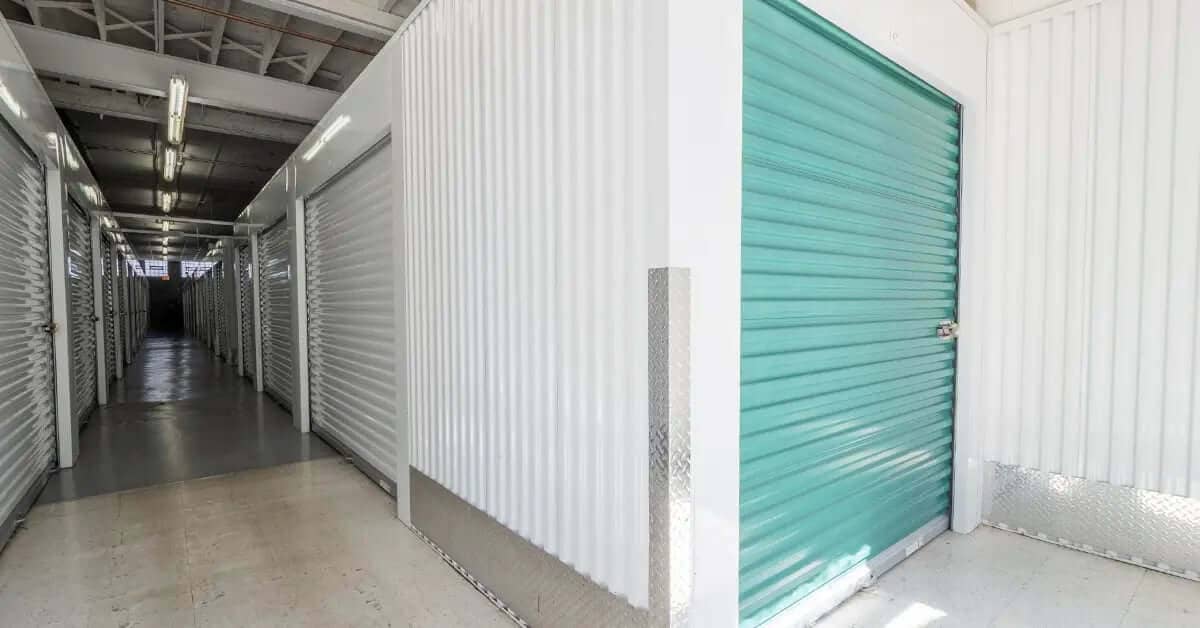
Indoor access — interior hallway access means you're not exposed to Chicago's weather while loading and unloading. This also means your unit stays climate-stable even during access — exterior-access units can lose their temperature equilibrium quickly in extreme weather.
Cleanliness — a clean, well-maintained facility is less likely to have pest problems or water intrusion issues that compromise your stored items.
Storage Star's Chicago Climate-Controlled Locations
All Storage Star Chicago facilities offer climate-controlled units across a range of sizes, with month-to-month leases and online reservations.
Each storage facility has different units available and different pricing, so it’s worth exploring all of our locations. Here are a few examples of what the current rates as of May 2026 look like:
Unit Size | Monthly Rate | Best For |
3x2 locker | $15/mo | Documents, small boxes, off-season clothing |
3x5 locker | $30/mo | Seasonal items, a few boxes, small valuables |
$47–$48/mo | Small furniture, electronics, instruments | |
5x15 unit | $98/mo | Full room of furniture and boxes |
4x10 unit | $178/mo | Bedroom's worth of belongings |
10x10 unit | $250–$310/mo | Full one-bedroom apartment contents |
10x20 unit | $312/mo | Full apartment or home contents |
It's worth putting those numbers in context.
Replacing a warped solid wood dining table runs $500–$2,000+.
A damaged guitar can cost $300–$1,000 to repair — if it's repairable at all.
A corrupted hard drive or dead laptop can be irreplaceable for what's on it.
Find a Chicago Storage Star Near You
Climate-controlled storage in Chicago isn't a luxury add-on; it's the baseline protection your belongings need in a city with this kind of weather range. All Storage Star Chicago facilities offer climate-controlled units across a range of sizes, with month-to-month leases and online reservations.
Storage Star North McCormick Blvd — 6341 N McCormick Blvd (serving Rogers Park, West Ridge, Albany Park, Lincolnwood, and the Far North Side)
Storage Star West Washington Blvd — 1230-1242 W Washington Blvd (serving the West Loop, Near West Side, and downtown-adjacent neighborhoods)
Storage Star North Ashland Avenue — 1300 N Ashland Avenue (serving Wicker Park, Ukrainian Village, Bucktown, and the Near North Side — coming soon)
Storage Star West 111th Street — 3914 W 111th Street (serving Beverly, Mount Greenwood, Morgan Park, and the South Side)
Not sure what size unit you need? Our interactive storage unit size tool walks you through it. And if you're trying to understand what climate-controlled storage costs in Chicago more broadly, our Chicago storage unit cost guide breaks it down by unit size.
Reserve your climate-controlled unit online →
Rent a Climate-Controlled Unit in Chicago
Chicago doesn't do mild. The city's weather will test your belongings the same way it tests everyone who lives here — with cold that bites, heat that lingers, and humidity that swings between extremes. A climate-controlled storage unit won't make the winters shorter, but it will make sure everything you care about comes out the other side exactly the way you left it. That's what we're here for.
Rent your Chicago Storage Star Self-Storage unit online to keep your things protected.
FAQs
What temperature do climate-controlled storage units stay at in Chicago?
Storage Star's climate-controlled units maintain a consistent temperature typically between 55°F and 80°F year-round — regardless of whether it's -10°F outside in January or 95°F in July. This stable range prevents the expansion, contraction, and condensation damage that Chicago's extreme seasonal swings cause in unprotected storage.
Is climate-controlled storage worth it in Chicago?
For most belongings — furniture, electronics, instruments, clothing, documents, artwork — yes, unambiguously. Chicago's temperature range is among the widest of any major American city, and the humidity swing between seasons compounds the damage risk significantly. The cost difference between climate-controlled and standard units is typically modest compared to the replacement or repair cost of damaged items.
How long can I store items in a climate-controlled unit?
Storage Star offers month-to-month leases with no long-term commitment required. You can store for two weeks or two years — the climate-controlled environment protects your belongings regardless of duration, and the flexible lease terms mean you're not locked in longer than you need.
Do I need climate-controlled storage for a short move between Chicago apartments?
If you're bridging a lease gap in the middle of summer or winter, yes — even a few weeks of extreme Chicago weather can damage unprotected furniture, electronics, and textiles. Climate-controlled storage gives you peace of mind regardless of what the weather does while your belongings are in transit between homes. If you're still weighing neighborhoods for your next move, our guides to Rogers Park, Albany Park, and West Ridge are a good place to start — all three are served by Storage Star's North McCormick Blvd facility.
Which Chicago neighborhoods are closest to Storage Star's climate-controlled facilities?
Each Storage Star Chicago location is positioned to serve a specific part of the city, so there's likely a climate-controlled unit close to wherever you're moving from or to. Our neighborhood guides break down what to expect in each area — including rent averages, commute options, and local highlights — so you can find the right neighborhood and the right storage unit in one place. Check out our guides to Chicago's North Side neighborhoods, Chicago's West Side, and Chicago's South Side to get started.