
Table of Contents
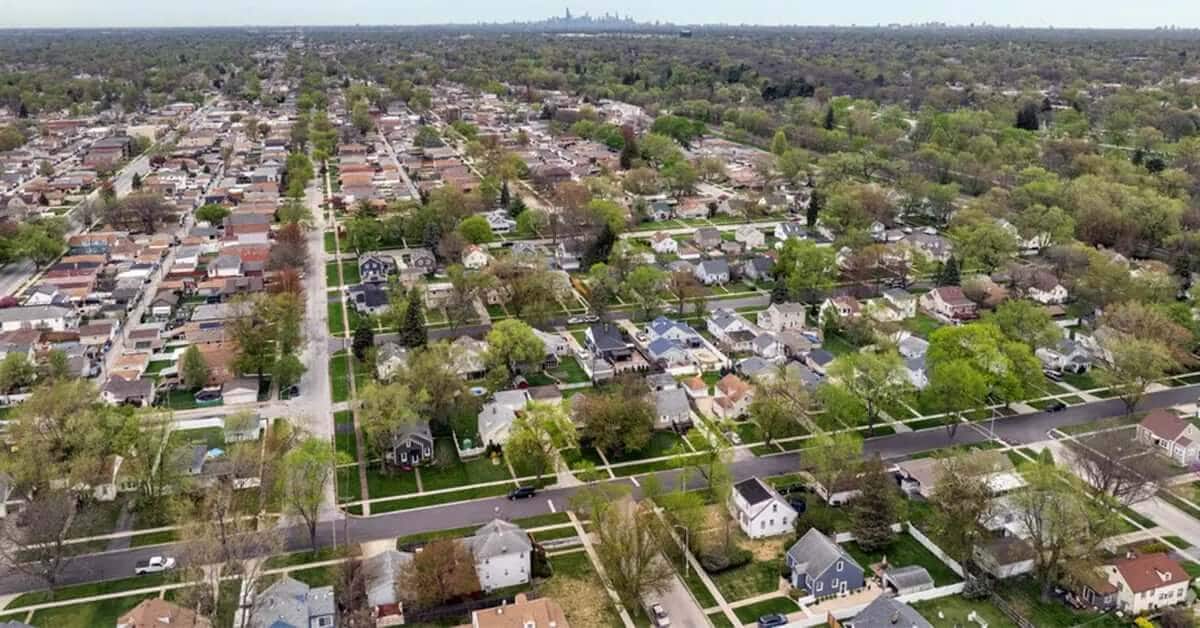
Finding an apartment in Chicago doesn't have to be overwhelming — but it does require knowing which neighborhoods actually match your budget, lifestyle, and commute before you start touring. Chicago is a city of 77 neighborhoods, each with its own rent range, personality, and tradeoffs.
This guide cuts through the noise. We've organized Chicago's best renter neighborhoods by price, location, and lifestyle, so you can narrow your search before you start filling out applications.
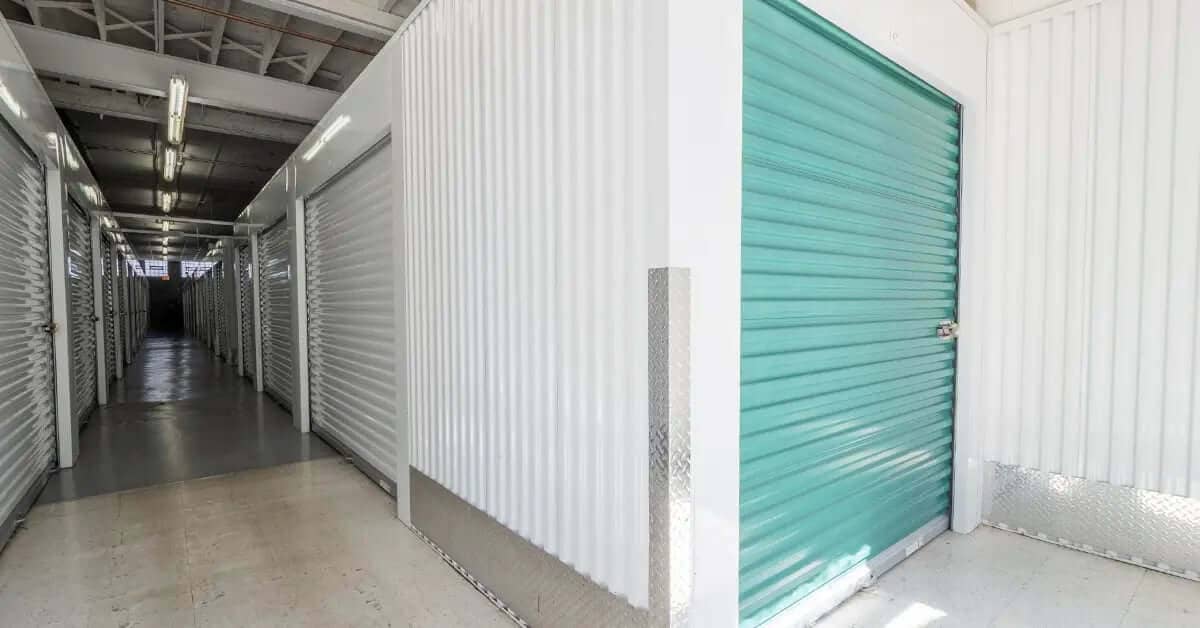
And here's one thing worth knowing upfront: you don't need to stretch your budget for a larger apartment just to fit all your stuff. A nearby Storage Star unit in Chicago costs a fraction of what an extra bedroom runs in most Chicago neighborhoods. More on that below.
If Budget Is Your Top Priority
Chicago has some gorgeous neighborhoods with real character — you don't have to sacrifice location or personality to stay under $1,500 a month.
Rogers Park
Chicago's most diverse neighborhood sits on the far North Side, right on the lakefront, and offers some of the best rent-to-location value anywhere in the city. The rental market here is almost entirely vintage two-flats, courtyard apartments, and small buildings — no giant complexes, lots of character.
Avg. 1BR rent: ~$1,400–$1,600/mo
Avg. 2BR: ~$1,640/mo
Avg. 3BR: ~$2,200/mo
New developments like the Morse Avenue Transit-Oriented Development near the Morse Red Line stop are adding modern units to the mix, giving renters more options than ever.
Nearest Storage Star: Storage Star North McCormick Blvd — 6341 N McCormick Blvd, about 10 minutes from most Rogers Park addresses.
West Ridge
Avg. 1BR rent: ~$1,100–$1,400/mo
Avg. 2BR: ~$1,400/mo
Avg. 3BR: ~$1,830/mo
West Ridge (also known as West Rogers Park) is one of Chicago's most multicultural neighborhoods, centered on the legendary Devon Avenue corridor. It's quieter and more residential than Rogers Park, with a strong South Asian and Orthodox Jewish community giving the neighborhood a distinctive, layered character.
Rent here is among the most affordable on the entire North Side. The market is mostly small-scale buildings and vintage apartments — The Maynard at 2545 W Fitch is one of the few renovated larger buildings in the area, with upgraded finishes at competitive prices. New townhomes and rehabs are also coming online as the neighborhood attracts buyers and renters priced out of neighborhoods further south.
Nearest Storage Star: Storage Star North McCormick Blvd — 6341 N McCormick Blvd, just minutes from most West Ridge addresses.
Albany Park
Avg. 1BR rent: ~$1,300–$1,600/mo
Avg. 2BR: ~$1,950/mo
Avg. 3BR: ~$2,550/mo
Albany Park is eight miles northwest of the Loop and one of Chicago's most diverse neighborhoods by any measure. The Lawrence and Kedzie corridor is lined with Korean barbecue, Ethiopian restaurants, and Middle Eastern grocers that make it a genuine destination for food lovers across the city. The Brown Line's Kimball stop provides a reasonable downtown commute.
The rental market here is small-scale — mostly vintage courtyard buildings and two-flats — but Landstar Chicago maintains a running list of current availability in the neighborhood if you want a starting point.
Nearest Storage Star: Storage Star North McCormick Blvd — 6341 N McCormick Blvd, a short drive from Albany Park along Peterson Avenue.
Beverly & Mount Greenwood
Avg. 1BR rent: ~$1,100–$1,500/mo
Avg. 2BR: ~$1,400–$1,700/mo
Avg. 3BR: ~$1,700–$2,200/mo
Beverly and Mount Greenwood are the South Side's most family-friendly neighborhoods. The rental market is almost entirely small-scale, vintage two-flats and individual landlords along the 111th Street corridor and surrounding blocks, rather than branded apartment complexes. Apartments.com and Domu are the best places to find current availability.
Nearest Storage Star: Storage Star West 111th Street — 3914 W 111th Street, right in the heart of the 111th Street corridor.
If You Want the Best Value for the Neighborhood
These neighborhoods offer the sweet spot between price, amenities, and lifestyle — you're not paying a premium, but you're not sacrificing much either.
Logan Square
Avg. 1BR rent: ~$1,500–$2,000/mo
Avg. 2BR: ~$2,650/mo
Avg. 3BR: ~$2,860/mo
Logan Square is where Chicago's creative class landed when Wicker Park got expensive, and it's been one of the city's most desirable rental neighborhoods ever since. Wide, landscaped boulevards, a world-class food and bar scene anchored by spots like Lula Cafe and Longman & Eagle, and Blue Line access to the Loop in about 20 minutes make it an easy sell.
The rental market is a mix of vintage greystones on the boulevards and newer construction along Milwaukee Avenue. The Logan Square Farmers Market on Sundays and The 606 Trail at the neighborhood's eastern edge give residents built-in weekend programming year-round.
Nearest Storage Star: Storage Star North Ashland Avenue — 1300 N Ashland Avenue, serving the Near North Side and Wicker Park corridor.
Bronzeville
Avg. 1BR rent: ~$1,200–$1,500/mo
Avg. 2BR: ~$1,630/mo
Avg. 3BR: ~$1,750/mo
Bronzeville is one of Chicago's most historically significant neighborhoods and one of its best values for renters. The neighborhood is peppered with Victorian greystones, historic apartment buildings, and newer development along Dr. Martin Luther King Jr. Drive, all within easy reach of the Green Line's multiple stops through the corridor.
The Bronzeville Walk of Fame, the DuSable Black History Museum, and a growing restaurant and coffee scene have made Bronzeville increasingly attractive to younger renters who want cultural depth at an accessible price point. Downtown is 20 to 25 minutes by Green or Red Line.
Nearest Storage Star: Storage Star West 111th Street — 3914 W 111th Street serves the broader South Side corridor, including Bronzeville.
Uptown & Edgewater
Avg. 1BR rent: ~$1,300–$1,900/mo
Avg. 2BR: ~$2,100–$2,400/mo
Avg. 3BR: ~$2,800–$3,200/mo
Uptown and Edgewater offer lakefront-adjacent living at prices that are significantly more accessible than Lakeview or Lincoln Park to the south. Both neighborhoods are served by the Red Line, and both have a density of independent restaurants, coffee shops, and bars that make them genuinely walkable without the premium of trendier North Side addresses.
Edgewater's Bryn Mawr Historic District is one of the most architecturally distinctive stretches on the North Side, and the vintage courtyard buildings throughout both neighborhoods offer the character that newer construction simply can't replicate.
Nearest Storage Star: Storage Star North McCormick Blvd — 6341 N McCormick Blvd, about 15 minutes from most Uptown and Edgewater addresses.
If Location and Lifestyle Come First
These neighborhoods are where Chicago renters pay for access, amenities, and energy — and generally think it's worth it.
Wicker Park & Bucktown
Avg. 1BR rent: ~$1,900–$2,500/mo
Avg. 2BR: ~$2,700/mo
Avg. 3BR: ~$4,300/mo
Wicker Park is the neighborhood Chicago renters fantasize about. Myopic Books, The 606 Trail, Milwaukee Avenue's independent boutiques and bars, Blue Line access to the Loop in under 15 minutes — it adds up to one of the most walkable and culturally rich addresses in the city.
The rental market ranges from vintage two- and three-flats to newer buildings like Wicker Park Lofts near the Blue Line's Ashland/Division stop, which offers modern soft-loft units steps from transit. Wicker Park Apartments manages over 300 units across the Wicker Park, Noble Square, East Village, and Ukrainian Village corridors — a good one-stop search for renters targeting this area.
Bucktown, just north, has a similar vibe with slightly quieter blocks and comparable pricing.
Nearest Storage Star: Storage Star North Ashland Avenue — 1300 N Ashland Avenue, directly in the Wicker Park/Ashland corridor. (Coming soon)
West Loop & Fulton Market
Avg. 1BR rent: ~$2,700–$3,200/mo
Avg. 2BR: ~$3,475/mo
Avg. 3BR: ~$6,250/mo
The West Loop is Chicago's most transformed neighborhood, and its rental market reflects it. Presidential Towers at 555 W Madison — four 49-story towers with 2,346 units, on-site dining, and skyline views — is one of Chicago's largest and most recognizable apartment complexes, and offers a relatively affordable entry point into the neighborhood starting from the mid-$1,600s for studios.
For something newer, The Row Fulton Market at 164 N Peoria offers luxury studio, one-, and two-bedroom units in the heart of the Fulton Market District, steps from Restaurant Row and Time Out Market Chicago. Landmark West Loop, Arkadia Tower, and The Parker Fulton Market round out the newer end of the market for renters who want the full amenity package.
Nearest Storage Star: Storage Star West Washington Blvd — 1230-1242 W Washington Blvd, less than a mile from most West Loop apartment buildings.
Lincoln Park & Lakeview
Avg. 1BR rent: ~$2,100–$2,600/mo
Avg. 2BR: ~$3,800/mo
Avg. 3BR: ~$5,000/mo
Lincoln Park and Lakeview are Chicago's most established "it" neighborhoods for renters who want lakefront access, top schools, and a density of restaurants, bars, and parks that makes car-free living easy. Lincoln Park Zoo, North Avenue Beach, Wrigley Field, and the Lakefront Trail are all within reach.
The rental market in both neighborhoods is a mix of vintage greystones and courtyard buildings alongside newer mid-rise construction. Domu and Apartments.com are reliable starting points for current availability in both neighborhoods.
Nearest Storage Star: Storage Star North McCormick Blvd — 6341 N McCormick Blvd serves the broader North Side, about 20 to 25 minutes from Lincoln Park and Lakeview.
What Size Storage Unit Do You Actually Need?
One of the most common questions Chicago renters have is simple: how much storage am I actually paying for? Here's a practical breakdown by how much stuff you're working with.
If You Want to Store a Closet's Worth of Stuff → 5x5 or 5x10
Good for: Studio and one-bedroom renters, seasonal gear rotation, between-lease overflow, instruments and hobby equipment.
A 5x5 unit (25 sq ft) is roughly the size of a small walk-in closet. It's the right call if you're storing seasonal clothing and gear, a few boxes of off-season items, holiday decorations, or small furniture pieces like a side table or folding chairs. Think of it as a dedicated overflow drawer for your apartment — the stuff that doesn't need to be accessible every day but shouldn't be thrown out either.
A 5x10 unit (50 sq ft) gives you a bit more breathing room — closer to a large walk-in or a small bedroom's worth of items. This is the most popular size for Chicago renters who just need a little extra space without making a major commitment.
If You Want to Store a Full Room's Worth of Stuff → 10x10
Good for: If you're downsizing from a two-bedroom to a one-bedroom, or moving out of a shared house into a solo apartment, a 10x10 is usually the right call. It gives you enough room to store what you're keeping without paying for space you don't need.
A 10x10 unit (100 sq ft) is the sweet spot for most Chicago renters. It holds the contents of a full bedroom comfortably — bed frame, mattress, dresser, boxes, and miscellaneous furniture — or can serve as overflow storage for a two-bedroom apartment where one person's stuff needs to go while you sort out a new living situation.
If You Want to Store a Full Garage's Worth of Stuff → 10x20 or Larger
Good for: Full apartment moves between leases, house-to-apartment transitions, estate cleanouts, major renovations.
A 10x20 unit (200 sq ft) is about the size of a one-car garage. This is where you go when you're storing the contents of an entire apartment, moving a significant amount of furniture out of a house, or staging a home for sale while you're between places. It holds a full living room set, bedroom furniture, boxes, appliances, and still has room to navigate inside.
Not sure which size fits your situation? Our interactive storage unit size guide helps you figure it out in a few clicks — and our Chicago storage unit cost guide breaks down what each size runs in the city.
Why Chicago Renters Use Storage Units (And Why It Makes Financial Sense)
Here's a number worth sitting with: in most Chicago neighborhoods, upgrading from a one-bedroom to a two-bedroom apartment adds $500 to $1,000 per month to your rent. A self-storage unit at Storage Star costs a fraction of that — and you only pay for it when you need it.
To put real numbers to it, here's what current rates look like across Storage Star's Chicago locations as of May 2026:
Unit Size | Type | Monthly Rate | Good For |
3x2 | Climate controlled locker | $15/mo | A few boxes, off-season gear, small overflow |
3x5 | Climate controlled locker | $30/mo | Seasonal clothing, sports equipment, closet overflow |
5x4–5x5 | Climate controlled unit | $27–$48/mo | Small furniture, boxes, bike plus extras |
5x15 | Climate controlled unit | $98/mo | Full room of furniture and boxes |
4x10 | Climate controlled unit | $178/mo | Bedroom's worth of belongings |
10x10 | Climate controlled unit | $250–$310/mo | Full one-bedroom apartment contents |
10x20 | Climate controlled unit | $312/mo | Full apartment or garage's worth of belongings |
A $48/month 5x5 is less than most Chicago gym memberships. A $98/month 5x15 is less than one night at a downtown hotel. And even the largest 10x20 unit — at $312/month — costs less than what most Chicago renters pay in a single week of rent. That math works in a lot of situations renters actually find themselves in:
You're moving into a smaller apartment to save money. A storage unit lets you keep the furniture and belongings you're not ready to part with, without cramming them into a space that wasn't designed to hold them. Your new apartment stays livable; your stuff stays safe.
Your lease timing doesn't line up. Your old lease ends on the 15th. Your new one starts on the 1st. Two weeks of storage costs less than a hotel, less than rushing a move, and far less than paying double rent for a month.
You live in a vintage Chicago apartment. Vintage two-flats and courtyard buildings are everywhere on the North Side and West Side — they're beautiful, they're affordable, and they almost never have enough closet space. A nearby storage unit effectively adds a room to your apartment for less than the cost of a gym membership.
You're between places. Whether you're new to Chicago, relocating within the city, or just in a transitional moment, having a flexible, month-to-month storage option takes the pressure off your timeline.
Storage Star has four Chicago locations, each close to the neighborhoods above:
Storage Star North McCormick Blvd — 6341 N McCormick Blvd (Rogers Park, West Ridge, Albany Park, Lincolnwood, Far North Side)
Storage Star West Washington Blvd — 1230-1242 W Washington Blvd (West Loop, Near West Side, and downtown-adjacent neighborhoods)
Storage Star North Ashland Avenue — 1300 N Ashland Avenue (Wicker Park, Ukrainian Village, Bucktown, and the Near North Side — coming soon)
Storage Star West 111th Street — 3914 W 111th Street (Beverly, Mount Greenwood, Morgan Park, and the South Side)
Ready to Find Your Apartment — and Your Unit?
Picking the right part of Chicago to live in is the hard part. Once that's locked in, the logistics move fast — and Storage Star is set up to move with you. Month-to-month leases, no credit card required to reserve, climate-controlled units, and locations across the city mean you can focus on finding the right apartment instead of stressing about where everything fits.
Want more detail on specific Chicago neighborhoods before you commit? We've built out in-depth guides to Albany Park, Rogers Park, West Ridge, and the Far North Side — plus our neighborhood guides for the North Side & North Shore, Far North Side of Chicago, West Side of Chicago, and the South Side of Chicago. No matter where you want to live within Chicago, Storage Star is near and ready to store your gear.
Reserve your Chicago storage unit online →
The figures above are gathered from RentCafe/Yardi Matrix, RentHop, and Apartments.com, based on data published between February and May 2026. 1BR figures are presented as ranges to account for variation across building types; 2BR and 3BR figures reflect neighborhood averages where sufficient sample data was available. Figures for Beverly, Mount Greenwood, West Ridge, and Albany Park are presented as ranges due to limited large-building inventory in those markets. All figures are subject to change — always verify current pricing directly with listings.
FAQs
Do I really need a storage unit if I'm renting an apartment in Chicago?
Not always — but Chicago's vintage apartment stock is notoriously light on closet space, and most buildings don't include dedicated storage. If you're in a studio or one-bedroom, or moving from a larger space, a nearby storage unit is often the most practical way to keep your apartment livable without paying for square footage you don't need day-to-day.
Is renting a storage unit cheaper than upgrading to a larger apartment?
Almost always, yes. In most Chicago neighborhoods, stepping up from a one-bedroom to a two-bedroom adds $500 to $1,000+ per month to your rent. A Storage Star unit runs a fraction of that, and unlike an apartment upgrade, you only pay for it as long as you need it. Month-to-month leases mean no long-term commitment.
What size storage unit do I need for a one-bedroom Chicago apartment?
A 5x10 unit (about the size of a walk-in closet) handles seasonal items, a few boxes, and small furniture. A 10x10 fits the contents of a one-bedroom apartment comfortably — furniture included. Our interactive storage unit size guide walks you through the options if you're not sure.
Do I need climate-controlled storage in Chicago?
For most belongings, yes. Chicago's winters regularly drop below zero, and summers can hit 90°F+ with high humidity. Temperature extremes damage wood furniture, electronics, instruments, artwork, clothing, and anything with adhesives or finishes. Climate-controlled units maintain a stable environment year-round and are available at all Storage Star Chicago locations.
Can I access my storage unit on short notice during a Chicago move?
Yes — Storage Star facilities offer flexible access hours so you can get to your unit when you need it, not just during banker's hours. That matters when you're coordinating movers, overlapping lease dates, or just need to grab something in a pinch. Check availability and reserve online — no credit card required.