
Table of Contents
- Alaska's Hunting and Fishing Calendar: When Does It End?
- What Alaska's Off-Season Does to Stored Gear
- Fishing Gear: How to Store It Right
- Hunting Gear: How to Store It Right
- Storage Options for Hunting and Fishing Gear in Anchorage
- Organization Tips for the Off-Season
- Frequently Asked Questions
- Ready for Next Season Before It Starts
- FAQs
Walk into any garage in Anchorage, and you'll see the same thing: waders hung over a rafter, fishing rods leaning against the wall, a hunting pack shoved in a corner, and tackle boxes stacked wherever they fit. From the first king salmon run in May to the tail end of moose season in October, Anchorage residents pack more outdoor activity into six months than most people manage in a lifetime.
The equipment that makes it possible — rods, reels, rifles, optics, waders, packs, kayaks, decoys, camping gear — is expensive, season-specific, and takes up serious space.
The good news is that you don’t have to shove everything in your garage. With a storage unit, you can protect your investment, free up space at home, and pull everything out next season. Let’s explore how to use outdoor gear storage in Alaska to keep your things in pristine condition all year long.
Alaska's Hunting and Fishing Calendar: When Does It End?
Understanding the storage window starts with knowing when each season winds down.
Fishing: Peak salmon season runs from May through September, with all five major species spread across those months. King (Chinook) salmon kick off the season in May, sockeye runs peak through June and July, and silver (coho) salmon fishing extends all the way through October in some areas. Ice fishing on local lakes keeps some anglers active through winter, but for most Anchorage residents, the serious gear — waders, rods, tackle — goes into storage by late October or November.
Hunting: Most Alaska hunting seasons begin in August and September and end by October, with some seasons in certain areas continuing into the winter months. Moose season typically runs from September through early October. Waterfowl move quickly, with most birds out of the area by early fall. For most hunters, gear is coming home and going into storage by November at the latest.
This means that most of the year, your garage will be cluttered with your hunting and fishing equipment, which is valuable space better used to keep your tools and vehicles safe.
What Alaska's Off-Season Does to Stored Gear
The combination of Anchorage's winter cold, persistent humidity (averaging around 68% year-round), and long storage duration creates risks for different types of gear.
Moisture is the primary threat. It causes rust on metal components, mold and mildew on fabric and waders, corrosion on reels and firearms, and degradation of leather and rubber. Gear that goes into storage damp almost always comes out with problems.
Extreme cold affects materials differently than most people expect. Rubber and neoprene become brittle and can crack when stored in unheated spaces through -20°F Anchorage winters. Fishing line weakens and loses memory. Optics seals can fail. Leather dries and cracks without occasional conditioning.
Rodents are a genuine concern. Mice and voles will nest in soft gear, chew through waders, pack bags, and neoprene, and leave scent traces on hunting clothing that can affect the next season's hunt.
Fishing Gear: How to Store It Right
From tackle boxes and rods to canoes and trailers, fishing gear can take up a lot of space in your garage. Here are a few storage tips to keep your fishing equipment clean and ready for your next use:
Rods
Rinse thoroughly with fresh water after the last trip of the season — especially if you've been fishing saltwater near Seward or Homer. Inspect each guide for cracks or corrosion and note any that need replacing before next season. Store rods either vertically in a rod rack or horizontally with support along their full length to prevent bending under their own weight over months of storage. Rod sleeves or tubes protect against dust and accidental damage.
Reels
Rinse gently with fresh water and allow to air dry completely before storage — never store a reel that's still damp. Loosen the drag before putting reels away; leaving drag systems under tension for months compresses washers and degrades performance. For high-end reels, the off-season is the right time for a professional cleaning and lubrication. Store reels in a cool, dry place — not a damp garage or unheated shed where moisture can corrode internal components.
Fishing Line
Replace line before storage rather than at the start of next season. Old line weakens over winter and tends to fail at the worst possible moment. This is especially true of monofilament, which absorbs water and loses strength over time.
Waders
This is the piece of gear most commonly damaged by poor off-season storage. Hang waders upside down by the suspenders in a cool, ventilated area — never fold and store them flat, which creates permanent crease damage and weakens seams over time. Check for leaks before storing: inflate them slightly or submerge them in a bathtub to find any pinholes, and patch now rather than discovering a problem streamside in May. Wash waders with a mild detergent and reapply DWR (durable water-repellent) treatment before storage. Store boots upright to maintain their shape.
Tackle and Lures
Rinse lures and dry thoroughly before storing — saltwater and freshwater both leave residue that corrodes hooks. Replace rusted hooks rather than storing damaged tackle. Organize tackle into labeled boxes or bins by type and species; you'll thank yourself when you're gearing up for the first sockeye run in June. Discard any line, leaders, or tippet that shows wear.
Hunting Gear: How to Store It Right
Storing your hunting gear off-site helps keep your home organized and safe. Here’s how to store your hunting supplies during the off-season:
Firearms
Clean and oil all firearms before storage. Remove fouling from the barrel, action, and bolt, and apply a light coat of oil to all metal surfaces to prevent rust. Store in a gun safe or locked cabinet — both for security and to protect against humidity damage. If your storage unit doesn't have electrical access for a dehumidifier rod, store firearms with silica gel packets inside the case to absorb moisture. Check local and state regulations regarding firearms storage requirements.
Optics
Scopes, binoculars, and rangefinders should be stored in their cases with lens covers on. Keep silica gel packets in cases to prevent moisture from fogging internal optics. Even quality sealed optics can develop issues when subjected to repeated freeze-thaw cycles in unheated storage environments.
Hunting Clothing and Scent Control
This is where Alaska hunters often make expensive mistakes. Hunting clothing — especially scent-controlled garments — needs to be stored away from household odors, chemicals, and anything that could contaminate it before next season. Store in sealed bags or airtight containers with scent wafers rather than loose in a bin. Check all zippers, seams, and insulation before storing and make any repairs now.
Packs, Frames, and Soft Gear
Empty all packs and clean them out — food residue attracts rodents. Allow to dry fully before storing. Inspect straps, buckles, and frames for wear. Store hanging rather than compressed to maintain the shape of the padding and suspension systems.
Decoys
Decoys are bulky and awkward, making them a natural candidate for off-site storage. Stack them carefully to avoid stress cracking, and store lines and weights in a separate labeled bag. Check for fading or damage before storing and make touch-ups now while there's no time pressure.
Storage Options for Hunting and Fishing Gear in Anchorage
Knowing what your options are for outdoor gear storage in Anchorage will help you make the right choice before renting a unit – or cluttering up your garage.
Storage Option | Best For | Consideration |
Home garage / closet | Small amounts of gear, frequently accessed items | Space fills quickly; humidity and temperature fluctuate |
Standard storage unit | Bulky gear, decoys, packs, tackle organization | Enclosed and dry; significant upgrade over garage in many Anchorage homes |
Climate-controlled unit | Reels, optics, firearms, waders, electronics | Consistent temp and humidity; best protection for sensitive or expensive gear |
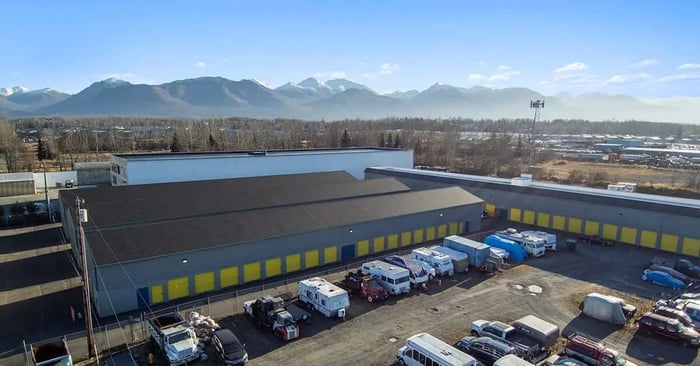
Storage Star has three Anchorage locations with a range of unit sizes, drive-up access, extended hours, and month-to-month rentals that fit the seasonal nature of hunting and fishing storage.
A 5x10 unit handles most fishing setups comfortably — rods, reels, waders, tackle, and gear bags. Hunters with larger kits, multiple firearms, or bulky items like decoys and tree stands will likely want a 10x10 or larger.
Organization Tips for the Off-Season
A storage unit works best when it's set up so you can actually find things. A few habits that make a real difference:
Label everything clearly — boxes, bins, and bags. "Fishing" isn't a label. "Kenai sockeye — tackle + leaders + net" is.
Group by season and species — salmon gear together, halibut gear together, moose hunting gear together. When the king run starts in May, you want to grab one bin and go.
Use shelving — keeping gear off the floor protects against moisture and makes everything more accessible. A freestanding metal shelf is a worthwhile investment for any serious outdoor storage setup.
Keep a gear list — a running note on your phone of what's in the unit saves time and prevents the frustrating mid-season realization that you left something behind.
Frequently Asked Questions
Can I store firearms in a storage unit in Anchorage?
Generally, yes, though you should verify the policy at your local Storage Star. Firearms must be unloaded and stored securely. A locked hard case inside a locked unit is standard practice.
What size unit do I need for hunting and fishing gear?
A 5x10 handles most fishing setups. A 10x10 is the right call for hunters with a larger kit, multiple firearms, decoys, or gear for multiple people. If you're storing gear alongside other seasonal items — an ATV, a kayak, camping equipment — size up accordingly.
Can I rent month-to-month?
Yes. Storage Star's rentals are month-to-month, which fits perfectly with Anchorage's seasonal lifestyle. Rent through the off-season and cancel when you're gearing up for the next one.
Ready for Next Season Before It Starts
The difference between gear that's ready to go in May and gear that needs a trip to the shop is almost always how it was stored in November. Clean, dry, organized, and protected from Anchorage's humidity and cold — that's what brings expensive rods, reels, and hunting equipment back season after season.
For secure, off-season outdoor gear storage in Anchorage, find your nearest Storage Star location and reserve a unit online.
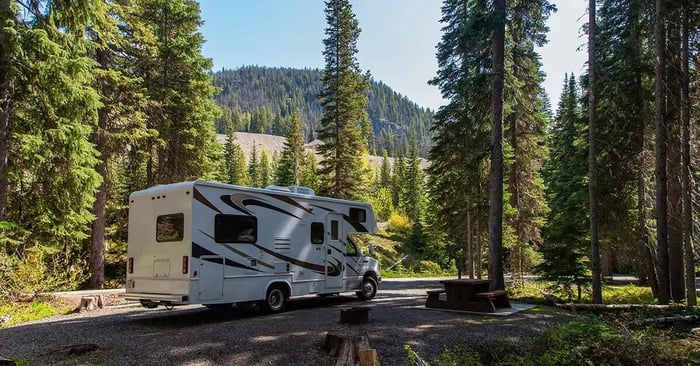
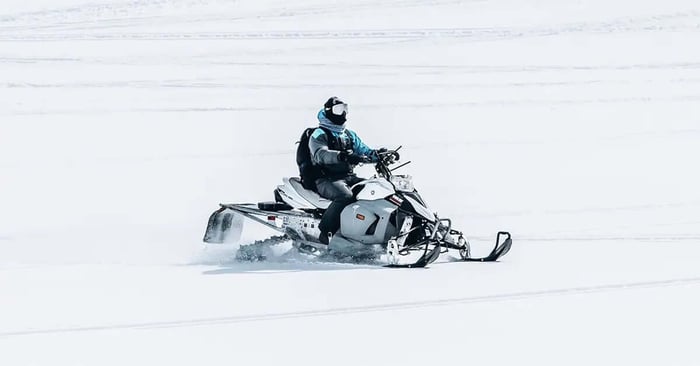
Also storing a snowmobile, RV, or vehicle this off-season? Check out our guides on snowmobile storage in Anchorage, RV and camper storage in Anchorage, and how much a storage unit costs in Anchorage.
FAQs
Can I store firearms in a storage unit in Anchorage?
Generally, yes, though you should verify the policy at your local Storage Star. Firearms must be unloaded and stored securely. A locked hard case inside a locked unit is standard practice.
What size unit do I need for hunting and fishing gear?
A 5x10 handles most fishing setups. A 10x10 is the right call for hunters with a larger kit, multiple firearms, decoys, or gear for multiple people. If you're storing gear alongside other seasonal items — an ATV, a kayak, camping equipment — size up accordingly.
Can I rent month-to-month?
Yes. Storage Star's rentals are month-to-month, which fits perfectly with Anchorage's seasonal lifestyle. Rent through the off-season and cancel when you're gearing up for the next one.