
Table of Contents
- The Off-Season Problem in Anchorage
- Snowmobile Storage Prep: What to Do Before You Put It Away
- Snowmobile Storage Options in Anchorage: What's Worth It
- Rodent Prevention: An Alaska-Specific Concern
- Getting It Ready Again in the Fall
- Frequently Asked Questions About Off-Season Snowmobile Storage
- Keep Your Snowmobile Safe Year-Round
- FAQs
In Alaska, snowmobiles aren't just recreational toys — they're part of the culture. Alaskans call them snowmachines because in many parts of the state, they're a genuine mode of transportation. In and around Anchorage, snowmachine season typically runs from November through early May, with popular riding areas including the Chugach National Forest near Girdwood, Hatcher Pass, the Eklutna Lake area, and the Mat-Su Valley trails just 45 minutes north of the city.
But when the snow melts, your snowmachine needs somewhere to go for the next six or seven months. Where and how you store it makes a bigger difference than most riders realize.
The Off-Season Problem in Anchorage
The storage window for snowmobiles in the Anchorage area is roughly May through October. That's a long time for a machine to sit, and a lot can go wrong if it's not stored correctly.
Anchorage's summer climate is milder than most people expect — July averages peak around 62°F — but humidity remains relatively high year-round, dropping to around 68% even in the driest spring and summer months. That persistent moisture is the real threat during off-season storage. It causes corrosion on metal components, degrades rubber seals and belts, and can work its way into fuel systems and electrical connections over months of inactivity.
If you're storing your snowmachine in a garage, shed, or storage unit without climate control, you're exposing it to those humidity cycles all summer.
Snowmobile Storage Prep: What to Do Before You Put It Away
Getting your snowmachine ready for storage isn't complicated, but skipping steps can create expensive problems. Here's what to address before putting it away for the season:
Drain or Fill the Fuel System
This is the most important step. Fuel degrades over months of storage, leaving behind gum and varnish deposits that clog carburetors and fuel injectors. You have two options: drain the fuel system completely, or fill the tank to about 95% with fresh fuel and add a fuel stabilizer like STA-BIL, then run the engine for a few minutes to circulate it through the system. Either approach works — the key is not leaving untreated fuel sitting in the tank all summer.
Protect the Engine
After addressing the fuel, fog the engine cylinders by removing the spark plugs and spraying fogging oil directly into each cylinder. This coats internal components and prevents rust from forming during storage. Replace the spark plugs or note whether they'll need replacing before next season.
Change the Oil & Top Off Fluids
Change the engine oil before storage, not after. Old oil contains acids and contaminants from combustion that will corrode engine internals if left sitting. Top off coolant if your machine is liquid-cooled and check for any leaks you'd want to address now rather than in November.
Remove the Battery
Remove it entirely. Store it indoors in a cool, dry place and connect it to a trickle charger to maintain its charge over the off-season. A battery left in a stored machine, especially one exposed to temperature swings, loses charge and sulfates, and often won't recover. This is one of the most common and most avoidable reasons a snowmachine won't start at the beginning of the season.
Secure the Track & Suspension
Loosen the track tension before storage and, if possible, elevate the rear of the sled off the ground. This takes the weight off the suspension and prevents flat spots from developing on the track over months of sitting.
Clean the Undercarriage
Wash the machine thoroughly before storage, paying particular attention to the undercarriage. Salt, dirt, and grime left on metal components accelerate corrosion. Dry it completely before covering or storing.
Apply Lubrication
Apply grease to suspension components, steering connections, and any other fittings. Moving parts that sit unlubricated for months develop wear that shows up fast once you're back on the trails.
Use a Cover for Extra Protection
Use a breathable snowmobile cover, not a plastic tarp. Breathable covers protect against dust while allowing moisture to escape. A plastic tarp traps condensation and creates exactly the humid environment you're trying to avoid.
Snowmobile Storage Options in Anchorage: What's Worth It
During the warmer months, you likely won’t need daily access to your snowmachine. Here are the pros and cons of the most common storage options during the off-season:
Storage Option | Pros | Cons |
Garage | Easy access, can run trickle charger, keeps an eye on the machine | Most Anchorage garages are already full; rodent risk |
Outdoor | Free | UV damages plastics, traps moisture, exposed to freeze-thaw cycles, rodent risk — least secure option |
Storage Unit | Dry, secure, enclosed, frees up home space, drive-up access, heat or climate-control offers additional protection | Off-site, small monthly cost |
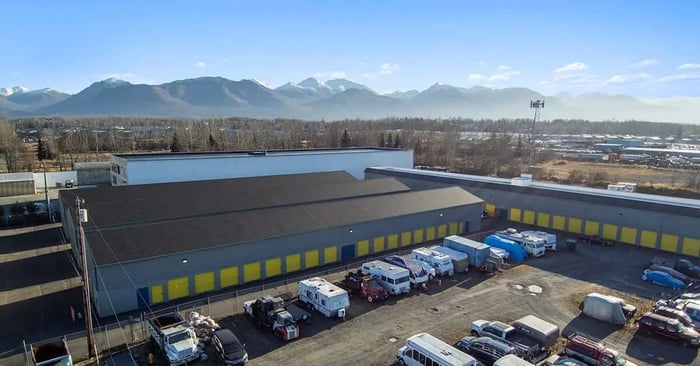
Storage Star has three locations in Anchorage — on Arctic Boulevard, Boniface Parkway, and Old Seward Highway — with drive-up units, extended access hours, and month-to-month flexibility that fits the seasonal nature of snowmachine storage.
Rodent Prevention: An Alaska-Specific Concern
This one deserves its own mention. Rodents are a real problem for stored vehicles in Alaska, particularly in storage situations where the machine is sitting undisturbed for months. Mice and voles will chew through wiring harnesses, nest in air boxes, and cause damage that's both expensive and frustrating to discover.
Before storing, stuff steel wool or use foam sealant in any openings that lead to the air intake, exhaust, or engine bay. Place rodent deterrents around and under the machine. If you're in a storage unit, this is less of a concern than garage or shed storage, but it's worth being aware of regardless.
Getting It Ready Again in the Fall
When the first snow falls and you're ready to get back on the trails, don't just pull the machine out and go. A few checks will save you from getting stranded in the Alaska wilderness:
Reinstall the battery and verify it holds a charge
Check fuel — if you drained it, add fresh fuel before starting; if you used stabilizer, it should be good to go
Inspect the track for cracks or damage and re-tension it to spec
Check oil and coolant levels
Inspect belts — the drive belt is worth checking after months of storage
Check brake function before your first real ride
Frequently Asked Questions About Off-Season Snowmobile Storage
How big of a storage unit do I need for a snowmobile?
Most snowmobiles fit comfortably in a 5x10 unit. If you're storing a sled plus a trailer, gear, or other seasonal equipment alongside it, a 10x10 or 10x15 gives you more room to work with. When in doubt, size up — you'll appreciate the extra space when you're loading and unloading.
Should I store my snowmobile with fuel in the tank or empty?
Either works, but you can't leave it in between. Untreated fuel left sitting for months degrades into varnish that clogs carburetors and fuel injectors. Either drain the system completely or fill to 95% with fresh fuel and add a fuel stabilizer, then run the engine for a few minutes to circulate it. Most Anchorage riders use the stabilizer method since the off-season is long but not indefinitely long.
Do I need a climate-controlled unit for snowmobile storage in Anchorage?
Not strictly necessary for the machine itself, but worth considering if you're storing gear, electronics, or a cover alongside it. Anchorage summers are mild but humid — a standard enclosed drive-up unit is a significant upgrade over outdoor storage, and climate control adds another layer of protection against the moisture and corrosion that Anchorage's off-season conditions can cause.
Can I rent a storage unit temporarily?
Absolutely! Our storage rentals are month-to-month, making them a perfect fit for Anchorage's seasonal lifestyle. Rent for the off-season and cancel when you're ready to ride again — no long-term commitment required.
Keep Your Snowmobile Safe Year-Round
Snowmobiling season in Anchorage runs from November through early May, which means your snowmachine spends roughly half the year in storage. Treating that storage period as an afterthought leads to fuel system damage, dead batteries, corroded components, and an expensive trip to the shop before the season even starts. And when storing a snowmobile, a little prep work goes a long way.
Snowmachines are just one part of the outdoor lifestyle that makes Anchorage worth living in. If you're also figuring out storage for your hunting and fishing gear, RV or camper, or winter storage for your car, we've got you covered — plus a breakdown of how much a storage unit actually costs in Anchorage. Or, check out this article for winter storage tips in Anchorage.
For flexible, secure snowmobile storage, find your nearest Anchorage Storage Star facility and reserve a unit online in minutes.
FAQs
How big of a storage unit do I need for a snowmobile?
Should I store my snowmobile with fuel in the tank or empty?
Either works, but you can't leave it in between. Untreated fuel left sitting for months degrades into varnish that clogs carburetors and fuel injectors. Either drain the system completely or fill to 95% with fresh fuel and add a fuel stabilizer, then run the engine for a few minutes to circulate it. Most Anchorage riders use the stabilizer method since the off-season is long but not indefinitely long.
Do I need a climate-controlled unit for snowmobile storage in Anchorage?
Not strictly necessary for the machine itself, but worth considering if you're storing gear, electronics, or a cover alongside it. Anchorage summers are mild but humid — a standard enclosed drive-up unit is a significant upgrade over outdoor storage, and climate control adds another layer of protection against the moisture and corrosion that Anchorage's off-season conditions can cause.
Can I rent a storage unit temporarily?
Absolutely! Our storage rentals are month-to-month, making them a perfect fit for Anchorage's seasonal lifestyle. Rent for the off-season and cancel when you're ready to ride again — no long-term commitment required.