
Table of Contents
- The Everyday Athlete: Storing Sneakers You Actually Wear
- Busy Families: Don’t Stop & Drop in the Mudroom
- Apartment Dwellers & Small-Space Living
- Seasonal Adventurers & Outdoor Enthusiasts
- Fashion Lovers & Designer Collectors
- Professionals With Work-Shoe Rotations
- Long-Term Shoe Storage: When Space Runs Out
- Quick Shoe Storage Preservation Checklist
- Time to Store Smarter - Not Harder
- FAQs
Shoes are among the most overlooked parts of home organization - and they can be costly to replace. Whether you’re rotating seasonal boots, collecting sneakers, or trying to keep a family entryway from turning into a pile-up, shoe storage matters.
Heat, moisture, pressure, and sunlight can warp soles, crack leather, fade colors, and create lingering odors. The right storage setup doesn’t just keep things tidy. It helps your footwear last longer.
Below are smart shoe storage solutions for different lifestyles, along with preservation tips tailored to each one so you can get more life out of every pair of shoes.
The Everyday Athlete: Storing Sneakers You Actually Wear
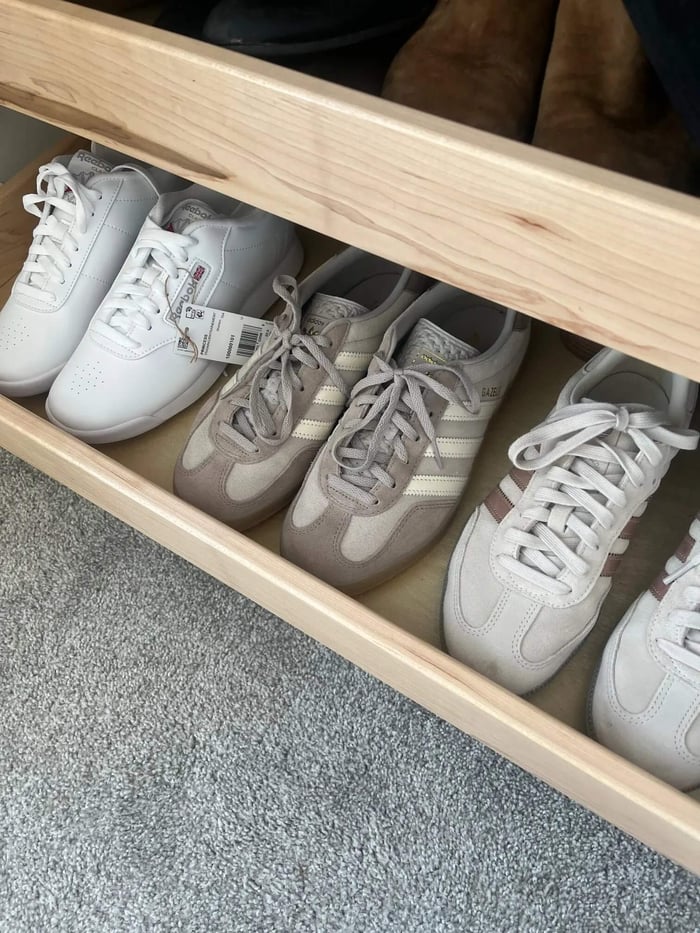
If you run before sunrise, squeeze in Peloton rides after work, or train for weekend races, your sneakers aren’t display pieces—they’re daily tools. Athletic shoes take a beating from sweat, pavement, weather, and repeated impact, which means smart storage isn’t about showing them off—it’s about helping them dry properly, stay durable, and last longer between replacements.
Common shoes: running shoes, cross-trainers, gym shoes, walking sneakers
Biggest threats: trapped moisture, odor buildup, foam compression, UV exposure
Best Storage Setups
Open-air shoe racks for everyday pairs so air can circulate and moisture can escape
Tiered shelving to keep dirty soles from touching clean uppers
Ventilated cubbies near workout gear for grab-and-go access
Breathable fabric containers for backup or rotating pairs
Clear lidded boxes only after shoes are completely dry
Preservation Tips for Athletic Sneakers
Before storing any worn pair:
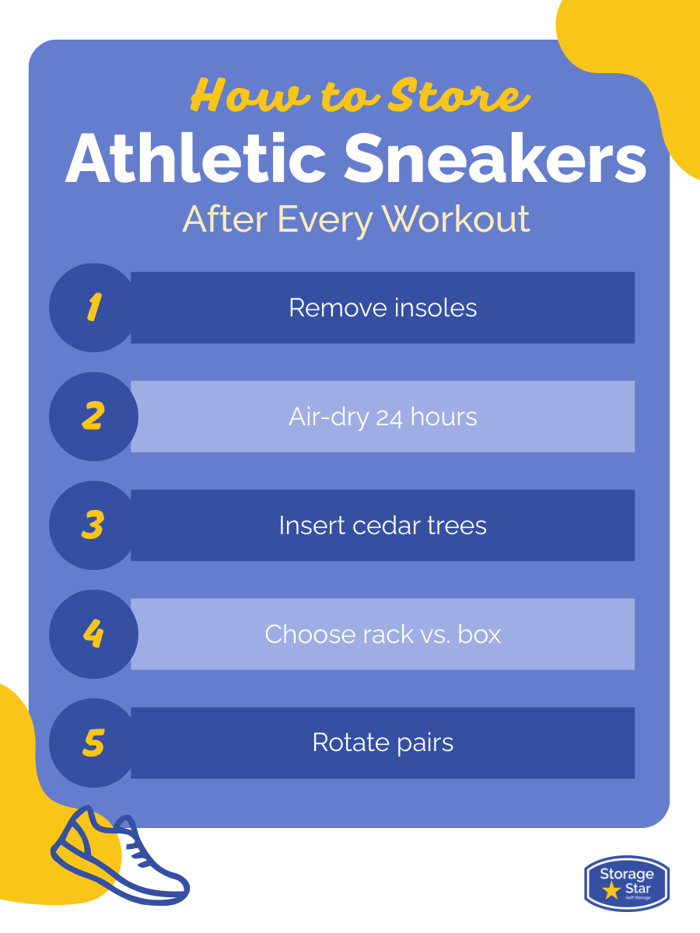
Air-dry for at least 24 hours after workouts—never seal damp shoes in a box
Remove insoles so sweat can evaporate fully
Insert cedar shoe trees or deodorizing inserts to absorb moisture and control odor
Drop silica gel packets into containers for extra humidity protection
Keep sneakers out of direct sunlight, which can degrade foams and fade fabrics
Rotate pairs frequently so midsoles rebound and cushioning doesn’t compress too quickly
Bonus Tip: How to Store Spin & Cycling Shoes
Spin shoes and cycling shoes deserve slightly different care than running sneakers.
Because they feature rigid soles and cleats, improper storage can lead to cracked plates or bent hardware over time.
Best practices:
Let them dry fully after rides, especially straps and footbeds
Wipe down cleats before storing
Store them flat or hung by the heel, not stacked toe-down
Avoid tossing them loose into gym bags between sessions
Keep them out of hot garages or trunks, which can warp the sole plate
Busy Families: Don’t Stop & Drop in the Mudroom
When multiple people are coming and going all day—school drop-offs, sports practices, dog walks, rainy errands—the entryway becomes shoe ground zero. Sneakers get kicked off mid-stride, cleats drip across the floor, and winter boots pile up in corners. For busy families, the goal of shoe storage isn’t perfection. It’s fast drop zones that prevent mess, protect footwear, and make mornings smoother. With the right systems in place, you can keep everyone’s shoes accessible while avoiding odor, damage, and that familiar scavenger hunt for a missing pair.
Common shoes: kids’ sneakers, cleats, rain boots, sandals
Biggest threats: dirt buildup, salt stains, crushed toes, mismatched pairs
Best Storage Setups
Individual cubbies labeled by family member
Storage benches with pull-out bins
Boot trays near the door
Vertical boot racks for wet weather
Preservation Tips
Rinse off road salt and mud promptly
Dry shoes upside down or use boot dryers
Remove insoles to help moisture escape
Disinfect inside monthly to prevent odor
Clean and box off-season shoes before storing them away
Apartment Dwellers & Small-Space Living
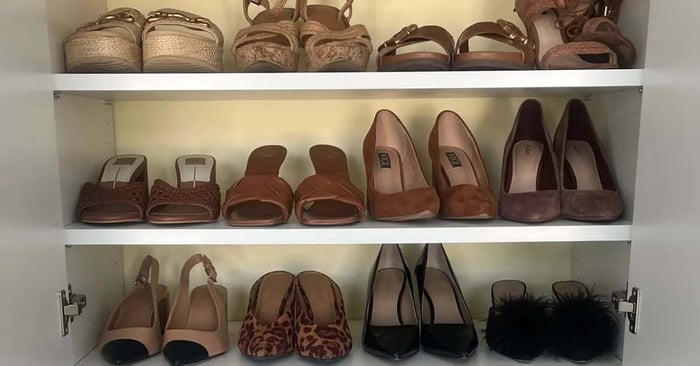
When measuring closet space in inches, it’s imperative to find space-saving shoe storage solutions. Apartment dwellers often juggle work shoes, weekend sneakers, and special-occasion pairs in tight quarters, making it tempting to stack shoes in corners or shove boxes under the bed and call it done.
But cramped conditions can lead to crushed heels, dust buildup, and trapped humidity. The smartest systems focus on vertical storage, hidden spaces, and multi-purpose furniture that protect your shoes while doing double duty in your home.
Common shoes: work shoes, casual sneakers, limited closet real estate
Biggest threats: stacking damage, dust, humidity, clutter
Best Storage Setups
Over-the-door organizers that keep pairs visible without taking up floor space
Under-bed rolling bins for off-season shoes
Slim vertical shoe towers that tuck into narrow corners
Hanging shoe organizers inside closets or on the back of a door
Multi-Purpose Options for Small Spaces
Shoe storage benches that double as entryway seating
Shoe cabinets with top shelving or drawers for bags, keys, and mail
Ottomans with hidden compartments for shoes you don’t wear every day
Console tables with built-in cubbies that work in hallways or studios
Seasonal Adventurers & Outdoor Enthusiasts
From muddy trail runs to snowy slopes and lake days, outdoor footwear works hard and often gets tucked away for months at a time between seasons. Hiking boots, snow boots, and water shoes face unique risks when stored improperly, especially moisture damage, salt residue, and material breakdown. Smart storage focuses on thorough cleaning, complete drying, and stable environments so your adventure gear is ready whenever the next season rolls around.
Common shoes: hiking boots, snow boots, water shoes
Biggest threats: mold, salt residue, leather cracking, trapped moisture
Best Storage Setups
Heavy-duty garage shelving with adjustable shelves
Tall boot organizers
Labeled plastic totes
Climate-controlled storage for off-season gear
Preservation Tips
Deep-clean boots before long-term storage
Condition leather uppers
Remove liners when possible
Dry soles completely
Store upright to protect shape
When storing outdoor footwear for months at a time, especially winter boots, temperature-stable, climate-controlled storage helps prevent cracking, mildew, and odor.
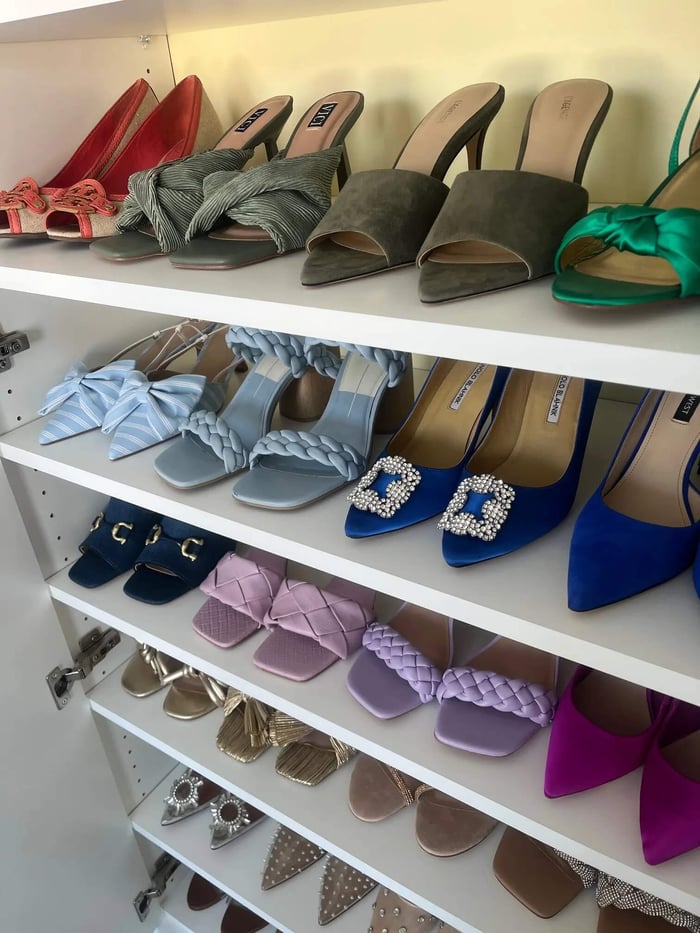
Fashion Lovers & Designer Collectors
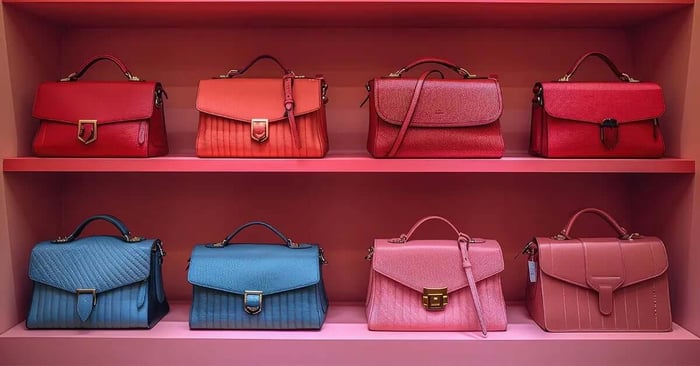
Are you a shoe lover? If you’re a little bit Carrie and treat your shoes like collectibles, your shoe storage options should tie in with your home décor. Regardless of space limitations, you can treat your collection to museum-quality displays—or even declare an entire room a shoe closet. The key is balancing style with preservation, so delicate materials stay protected from fading, humidity, and misshaping while your favorite pairs remain ready for their next night out.
Common shoes: heels, suede boots, luxury leather, statement pieces
Biggest threats: fading, misshaping, dust, humidity
Best Storage Setups
Original boxes labeled with photos
Cotton dust bags on open shelves
Acrylic display cases
Shelving away from heating vents
Preservation Tips
Stuff toes with acid-free tissue
Keep suede dry at all times
Avoid plastic bags that trap moisture
Rotate pairs to protect soles
Elevate heels so tips don’t warp
Replace heel tips as they wear out - a cobbler can assist with stuck tips
Professionals With Work-Shoe Rotations
When your job requires dependable footwear day after day—whether that’s polished dress shoes or rugged safety boots—rotation becomes essential. Wearing the same pair repeatedly without proper drying time can lead to deep creases, lingering moisture, and early sole breakdown. Smart storage focuses on airflow, organization, and recovery time, helping your work shoes stay comfortable, sharp-looking, and ready for whatever the workday brings.
Common shoes: dress shoes, loafers, safety boots
Biggest threats: creasing, moisture retention, sole breakdown
Best Storage Setups
Slanted shoe racks for airflow
Ventilated cabinets
Locker-style organizers
Tall boot towers for work gear
Preservation Tips
Rotate daily to let the leather recover
Insert cedar shoe trees immediately after wear
Polish before storing long-term
Keep pairs separated to prevent scuffing
Let shoes fully dry before returning to shelves
Long-Term Shoe Storage: When Space Runs Out
Sometimes the issue isn’t organization - it’s volume. Seasonal rotations, growing collections, downsizing, or moving can leave closets overflowing.
That’s when a household storage unit becomes a practical extension of your home.
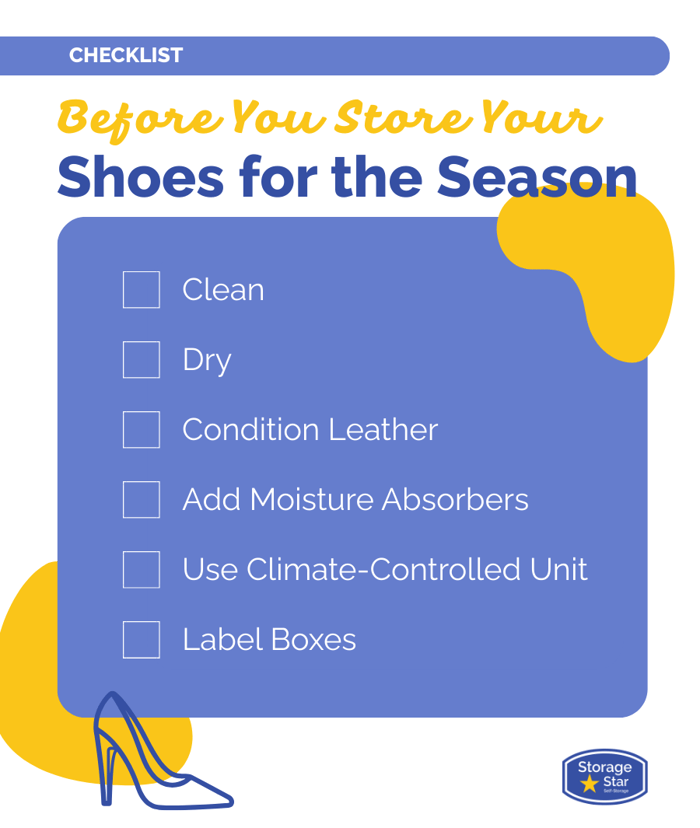
Smart Long-Term Shoe Storage Tips
Choose a climate-controlled unit for leather and athletic footwear
Store shoes in labeled bins or original boxes
Elevate containers off the floor
Add moisture absorbers inside totes
Keep an inventory list so you know what’s inside each bin
Climate-controlled storage is especially useful for boots, collectibles, or rarely worn formal shoes that need protection through temperature swings and humidity.
Quick Shoe Storage Preservation Checklist
Before storing any pair, ask:
✔ Are they clean and fully dry?
✔ Did I insert shoe trees or stuffing?
✔ Are they in breathable containers?
✔ Did I add moisture absorbers?
✔ Are they protected from sunlight?
✔ Are off-season shoes labeled?
Also, ask yourself if you want to keep, donate, or toss the pair. Now is the time to determine if you want to put your shoes in storage - or if it's time to find them a new home.
Time to Store Smarter - Not Harder
No matter your lifestyle, the right shoe storage system keeps your home organized—and helps your footwear last longer.
From sneaker walls and family mudrooms to seasonal boot bins and designer collections, pairing smart organization with preservation techniques ensures every pair stays ready for its next outing.
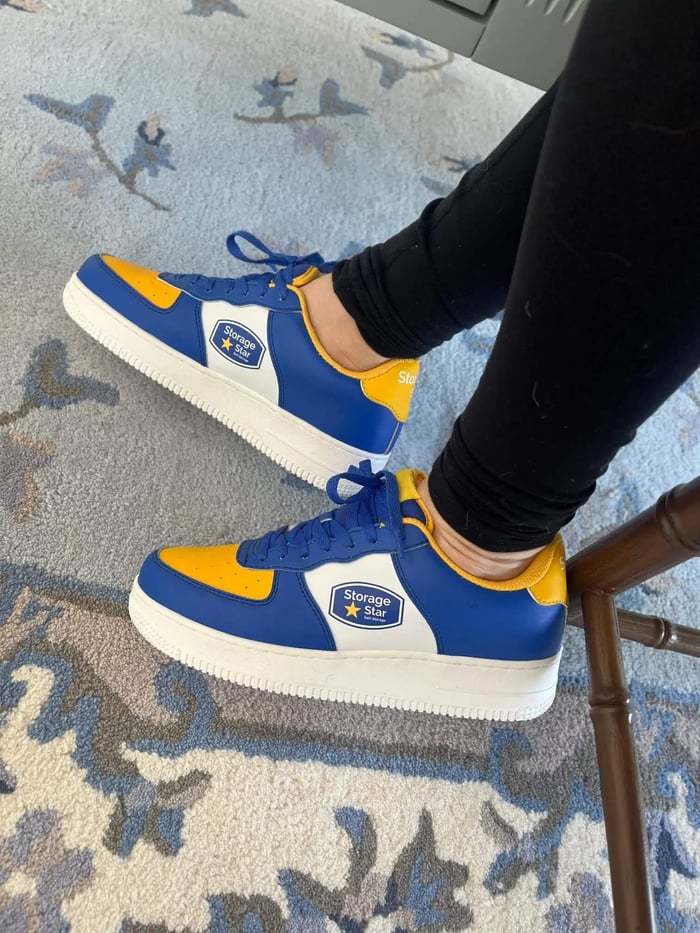
And when your closet hits capacity, a climate-controlled storage unit near you at Storage Star can give your shoes the space and protection they deserve.
FAQs
What are the best shoe storage ideas for different lifestyles?
The best shoe storage ideas depend on how you use your footwear. Athletes benefit from open-air shoe racks that allow sneakers to dry between workouts. Families do well with mudroom cubbies and benches for fast drop-offs. Apartment dwellers often need wall-mounted organizers or stackable shoe boxes to save space. Seasonal boots and collectibles are best stored in labeled containers inside climate-controlled environments.
Is it better to store shoes in boxes or on a rack?
It depends on frequency of use. Shoes worn often should sit on a breathable storage rack so moisture can escape. Long-term or seasonal pairs are better in shoe boxes or stackable storage containers with moisture absorbers added inside. Leather and specialty footwear benefit from climate-controlled storage when boxed for months at a time.
How should I store athletic sneakers after working out?
After a workout, remove insoles, let sneakers air-dry for at least 24 hours, and insert cedar shoe trees or deodorizing inserts. Avoid sealing damp shoes in a shoe storage box. Rotate pairs regularly so cushioning can rebound, and keep athletic shoes away from direct sunlight or excessive heat.
What’s the best way to store shoes for the season?
Before seasonal storage:
- Clean shoes thoroughly
- Remove salt residue
- Dry completely
- Condition leather uppers
- Add moisture absorbers to containers
- Label boxes clearly
Store footwear upright in a stable, climate-controlled environment to prevent cracking, mildew, and odor.
Do I need climate-controlled storage for shoes?
Climate-controlled storage is recommended for leather shoes, suede boots, athletic footwear, and designer collections, especially when storing for several months. Stable temperatures and humidity help prevent sole breakdown, mold growth, fading, and material cracking.
What’s the best shoe storage solution for small apartments?
In small spaces, vertical and multi-purpose solutions work best. Over-the-door shoe storage organizers, wall-mounted racks, slim metal shoe racks, under-bed bins, and shoe storage benches that double as seating help maximize space while keeping footwear protected from dust and humidity.
How do I prevent shoes from smelling while in storage?
Always store shoes clean and fully dry. Remove insoles, use cedar shoe trees or charcoal inserts, and add silica gel packets to containers. Avoid airtight plastic bags, and make sure shoes stored in boxes are checked periodically for moisture.
How can Storage Star help with long-term shoe storage?
Storage Star offers clean, climate-controlled storage units that are ideal for seasonal footwear, athletic gear rotations, and shoe collections that outgrow closet space. Climate-stable environments help protect shoes from humidity, temperature swings, and long-term material damage.
What’s the biggest mistake people make when storing shoes?
The most common mistake is putting shoes away while they’re still damp. Moisture trapped inside boxes or containers leads to odor, mold, and sole breakdown. Skipping cleaning before long-term storage and exposing shoes to heat or sunlight are also frequent causes of premature wear.