
Table of Contents
- Understanding Austin's Seasons (They're Not What You Expect)
- What Austin's Climate Does to Your Belongings
- The Austin Seasonal Storage Calendar
- Austin's Outdoor Lifestyle Means More Seasonal Storage
- Climate-Controlled vs. Standard Units: What You Actually Need
- How to Pack for Austin's Climate
- Choosing the Right Storage Facility in Austin
- Getting More From Your Storage Unit: Organization Tips
- Storage Star: Austin Self Storage Built for Texas Conditions
Austin isn't like most cities, especially when it comes to weather. And that matters more than you'd think when you're deciding what to put in storage and how to store it.
The city averages 123 days a year where temperatures reach into the 90s°F, and August highs average 99°F. Non-climate-controlled storage units can reach 30°F higher than the outside temperature — meaning on a typical Austin August afternoon, the inside of a standard unit could easily hit 130°F. That's not just uncomfortable: it's actively destructive to a wide range of things.
This guide walks through Austin's climate, what it does to your stuff, when to swap things in and out of storage, and how to do it right.
Understanding Austin's Seasons (They're Not What You Expect)
Austin doesn't follow the classic four-season pattern. If you're managing seasonal storage, you're really working around three distinct phases:
Long Summer (May–October)
This is Austin's dominant season. The average first 90°F day arrives around April 3, and since 2000, Austin averages about 37 days at 100°F or above per year. Recent years have been worse — 2023 saw 80 days at triple digits, with a record-breaking 45 consecutive days above 100°F between July and August. Summer nights offer little relief either: Austin now averages 60 nights per year when temperatures never drop below 76°F. This is the period that does the most damage to stored belongings.
Mild Winter (November–February)
Austin's winters are short and relatively gentle. Average January highs reach 62°F, with lows around 41°F. It drops below freezing roughly 25 days per year. Cold damage to stored items is rare, though the February 2021 ice storm was a reminder that extreme cold events do happen.
Brief Spring and Fall (March–April, September–October)
These are Austin's most pleasant periods — and the two natural windows to rotate your stored items. Spring and fall mark the transitions when you'll be swapping outdoor furniture in or out, pulling water sports gear from storage, or packing away seasonal clothing.
What Austin's Climate Does to Your Belongings
Most storage damage in Austin isn't caused by dramatic weather events. It's caused by sustained, ordinary summer heat and humidity working quietly on your belongings over weeks and months. Here's what's actually at risk:
Electronics
Heat causes condensation inside devices, corroding internal components. High temperatures can weaken solder joints and degrade batteries. In a non-climate-controlled unit hitting 120°F+ in July, electronics don't last long. Always store electronics in climate-controlled units.
Wood Furniture and Antiques
Wood expands and contracts with temperature and humidity fluctuations. In Austin's summer, repeated cycles cause warping, cracking, and structural failure — particularly in antique pieces with delicate finishes. The combination of heat and Austin's average 67% humidity is especially damaging.
Vinyl Records, CDs, and DVDs
Vinyl begins to warp at sustained temperatures around 100°F, with serious deformation possible at 140°F. Given that a non-climate-controlled unit in Austin can easily reach 120–130°F during summer, a record collection left in standard storage is at genuine risk. Ideal storage temperature for vinyl is 65–70°F.
Musical Instruments
Instruments, especially guitars and other stringed instruments, need 45–55% relative humidity. Austin's summer humidity causes wood to swell, glue joints to fail, and neck angles to shift. Repairs from humidity damage can be expensive and sometimes irreversible.
Important Documents and Photographs
Heat and moisture cause paper to yellow, warp, and stick together. Photographs are particularly susceptible — heat softens photo paper and causes images to degrade permanently.
Candles, Cosmetics, and Wax-Based Items
These can melt outright in Austin summers, often making a mess of surrounding items in the process.
Leather and Upholstered Furniture
Leather dries and cracks in extreme heat. If you're storing a leather sofa, chair, or bag, climate control isn't optional — it's insurance.
The Austin Seasonal Storage Calendar
Use Austin's seasonal rhythm to time your storage rotations:
Season | Months | What to Move Into Storage | What to Pull Out |
Spring Transition | March–April | Winter coats, heavy blankets, holiday décor | Patio furniture, kayaks/paddleboards, camping gear, cycling equipment |
Summer | May–October | Rarely need to rotate; focus on protecting what's already stored | — |
Fall Transition | September–October | Patio furniture, water sports gear, outdoor toys | Fall/winter clothing, holiday décor, space heaters |
Winter | November–February | Summer clothing, fans, AC window units | — |
The spring and fall transition windows are short in Austin — don't wait until it's already 95°F to swap out your patio furniture. By mid-April, temperatures can already be climbing into the upper 80s.
Austin's Outdoor Lifestyle Means More Seasonal Storage
Austin's outdoor culture creates storage needs that go beyond basic seasonal clothing swaps.
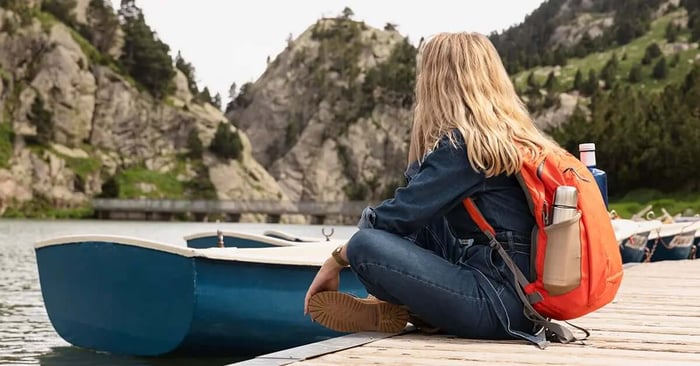
Lake Life: Lake Travis spans nearly 64 miles and is the center of Austin's boating scene — from fishing boats and pontoons to kayaks, paddleboards, and jet skis at Lady Bird Lake. Most Austinites are active on the water from April through October, which means water sports gear needs somewhere to go in winter. For anyone storing a boat itself, see our complete guide to Austin boat storage.
Festival Season: Austin hosts SXSW every March and ACL Music Festival over two weekends in October. If you're a vendor, artist, or frequent festival-goer, temporary storage during these events is worth planning ahead. Learn more about temporary event storage options in Austin.
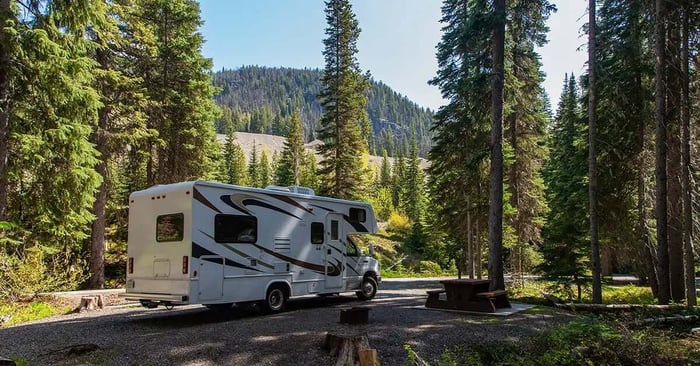
Camping and Hiking: With Barton Creek Greenbelt, McKinney Falls State Park, and easy access to the Hill Country, many Austinites keep serious camping and hiking gear that spends months in storage between seasons.
Climate-Controlled vs. Standard Units: What You Actually Need
Not everything requires climate control, but in Austin, more items do than most people assume. Here's a practical breakdown:
Climate Control Is Essential For:
Electronics (TVs, computers, gaming systems, cameras)
Wood furniture and antiques
Vinyl records, CDs, DVDs, musical instruments
Leather furniture and accessories
Important documents, photographs, artwork
Wine, medications, candles, cosmetics
Clothing you care about (especially formal wear)
Standard Storage Is Fine For:
Patio furniture (metal or resin)
Lawn and garden tools
Bicycles and sports equipment (metal frames)
Power tools
Holiday decorations (non-fragile, non-electronic)
Moving boxes with durable household items
Climate-controlled units typically maintain temperatures between 55°F and 85°F year-round, with humidity managed in the 30–50% range — a dramatic difference from a standard unit in August. For a detailed breakdown of what climate control protects in Austin's specific climate, see our full guide to climate-controlled storage in Austin.
Wondering what a unit will cost? Our Austin storage unit cost guide breaks down pricing by size and type.
How to Pack for Austin's Climate
Even with climate-controlled storage, how you pack matters. A few Austin-specific tips:
For clothing: Vacuum-sealed bags reduce volume significantly and protect against both moisture and pests. This is especially worth doing for winter coats and heavy wool items that will sit in storage through Austin's long summer.
For furniture: Use breathable fabric covers rather than plastic. Plastic traps moisture, and even in a climate-controlled unit, condensation during transition periods can cause mildew. Clean wood furniture and apply a light coat of furniture polish before storing — this creates a protective barrier.
For electronics: Store in their original boxes if possible, or wrap in anti-static bubble wrap. Keep electronics away from exterior walls where temperature swings are greatest. Include silica gel packets to absorb any residual moisture.
For musical instruments: Detune strings slightly to reduce tension during long storage periods. Keep them in hard cases and consider adding instrument humidifiers if storing during very dry winter months.
For documents and photos: Use airtight plastic containers rather than cardboard boxes. Label clearly and store off the ground on shelving units — even in climate-controlled facilities, ground-level storage is more susceptible to moisture.
Choosing the Right Storage Facility in Austin
When evaluating facilities, these factors matter most for Austin's climate:
True climate control: Ask specifically whether units are air-conditioned (cooled in summer) or merely "temperature-moderated." In Austin, actual air conditioning is what you need — not just insulation.
Access hours: Given Austin's traffic and busy schedules, extended access hours matter. You don't want to find yourself waiting until Monday morning to retrieve something you need over the weekend.
Security: Look for gated access, video surveillance, and well-lit premises — especially important for units you won't be visiting frequently.
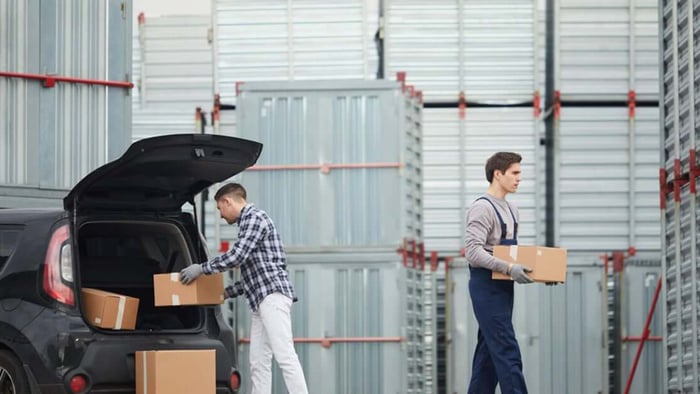
Location: Austin's sprawl means location significantly affects convenience. Whether you're in North Austin, South Austin, East Austin, or the suburbs, proximity to home matters when you're doing a seasonal swap with a truck full of patio furniture.
Looking for an Austin Storage Star near you? We’ve got four locations throughout the city:
Getting More From Your Storage Unit: Organization Tips
A few habits that save significant time when you're doing your seasonal rotation:
Create a running inventory. A simple notes file on your phone listing what's in your unit, and which box it's in, saves enormous frustration. Update it every time you add or remove items.
Label all four sides of a box. You'll inevitably stack boxes label-side-in. Put the contents label on the top and all four sides so it's readable from any angle.
Leave a walking path. Store items you'll need to access seasonally near the front, and leave a clear path to reach them. It sounds obvious until you're trying to reach the camping gear buried behind the holiday decorations in October.
Use shelving. Freestanding metal shelving units are inexpensive and dramatically improve organization. Keeping boxes off the floor protects against moisture and makes everything easier to access.
Group by season. Dedicate sections of your unit to spring/summer items and fall/winter items. This makes the biannual rotation much faster.
Storage Star: Austin Self Storage Built for Texas Conditions
Storage Star offers self-storage facilities across Austin and Central Texas, with climate-controlled units, extended access hours, and strong security across all locations. Their staff can help you assess which unit size and type fits your storage needs — whether you're storing seasonal gear, downsizing your home, or managing a business.
Austin is a city that rewards being prepared. Understanding what the summer does to stored belongings — and choosing the right storage solution — is one of those things that pays off every time you open your unit and find everything exactly as you left it.
Storage Star offers self-storage facilities across Austin and Central Texas, with climate-controlled units, extended access hours, and strong security across all locations. Find your closest Storage Star to rent your unit online, or send us a message with any questions you may have about renting a storage space in Austin.
Or, for more on making the most of life in Austin, explore our guides on living in Austin and Austin's cost of living.
Weather statistics sourced from KXAN Austin, Current Results, and KUT Austin. Storage temperature data from Neighbor.